A neuroscientist on how we came to be aware of ourselves.
Read more
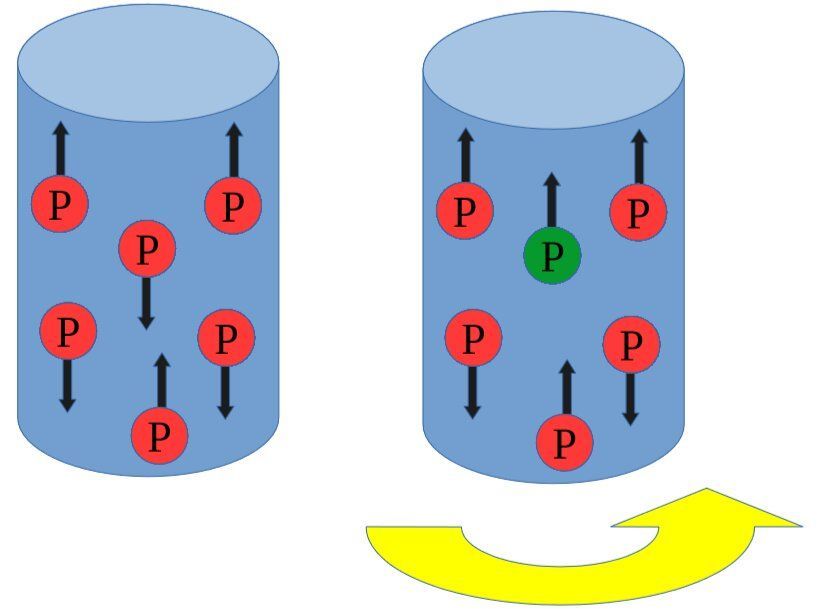
The electronic Barnett effect, first observed by Samuel Barnett in 1915, is the magnetization of an uncharged body as it is spun on its long axis. This is caused by a coupling between the angular momentum of the electronic spins and the rotation of the rod.
Using a different method from that employed by Barnett, two researchers at NYU observed an alternative version of this effect called the nuclear Barnett effect, which results from the magnetization of protons rather than electrons. Their study, published in Physical Review Letters (PRL), led to the first experimental observation of this effect.
“I was a graduate student at NYU where a group of colleagues were involved in a project related to brain imaging,” Mohsen Arabgol, one of the researchers who carried out the study, told Phys.org. The fundamental idea behind the project was polarizing the brain molecules by inducing rotation using the Barnett effect and then applying the MRI-type imaging. I became interested and decided to work on the detection of the nuclear Barnett effect as my Ph.D. dissertation.”

A growing body of research suggests that exposure to air pollution in the earliest stages of life is associated with negative effects on cognitive abilities. A new study led by the Barcelona Institute for Global Health (ISGlobal), a centre supported by “la Caixa”, has provided new data: exposure to particulate matter with a diameter of less than 2.5 μm (PM2.5) during pregnancy and the first years of life is associated with a reduction in fundamental cognitive abilities, such as working memory and executive attention.
The study, carried out as part of the BREATHE project, has been published in Environmental Health Perspectives. The objective was to build on the knowledge generated by earlier studies carried out by the same team, which found lower levels of cognitive development in children attending schools with higher levels of traffic-related air pollution.
The study included 2,221 children between 7 and 10 years of age attending schools in the city of Barcelona. The children’s cognitive abilities were assessed using various computerized tests. Exposure to air pollution at home during pregnancy and throughout childhood was estimated with a mathematical model using real measurements.
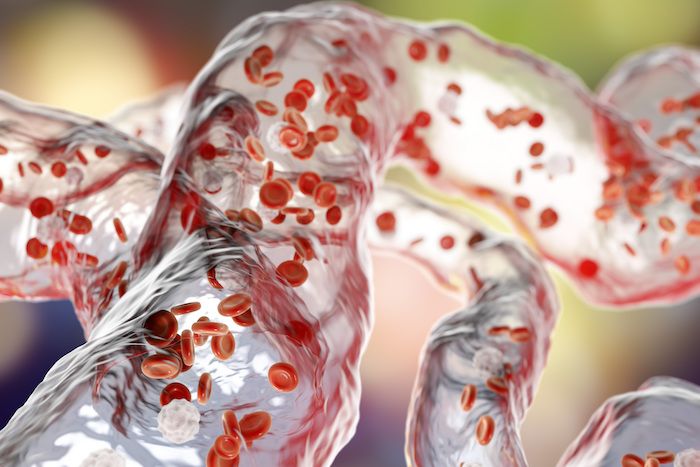
A molecule produced by the body during fasting or calorie restriction has anti-aging effects on the vascular system, which could reduce the occurrence and severity of human diseases related to blood vessels, such as cardiovascular disease, according to a study led by Georgia State University.
“As people become older, they are more susceptible to disease, like cancer, cardiovascular disease and Alzheimer’s disease,” said Dr. Ming-Hui Zou, senior author of the study. “Age is the most important so-called risk factor for human disease. How to actually delay aging is a major pathway to reducing the incidence and severity of human disease.

People who suffer a stroke caused by bleeding in the brain—known as brain haemorrhage—can take common medicines without raising their risk of another stroke, a major clinical trial has found.
Researchers say the findings are reassuring for the thousands of people who take the medicines to reduce their risk of heart attack and another common type of stroke caused by blood clots in the brain.
These everyday treatments—known as antiplatelet medicines—work by slowing or stopping blood from clotting. They are often prescribed to older people because they can lower risk of heart attack and stroke caused by a blood clot.

Injection of human neural stem cells into the spinal cord of people with amyotrophic lateral sclerosis (ALS) was found safe and did not cause adverse effects even two years after the transplant, results from a Phase 1 clinical trial show.
Trial findings were published in the study, “Results from Phase I Clinical Trial with Intraspinal Injection of Neural Stem Cells in Amyotrophic Lateral Sclerosis: A Long-Term Outcome,” in the journal Stem Cells Translational Medicine.
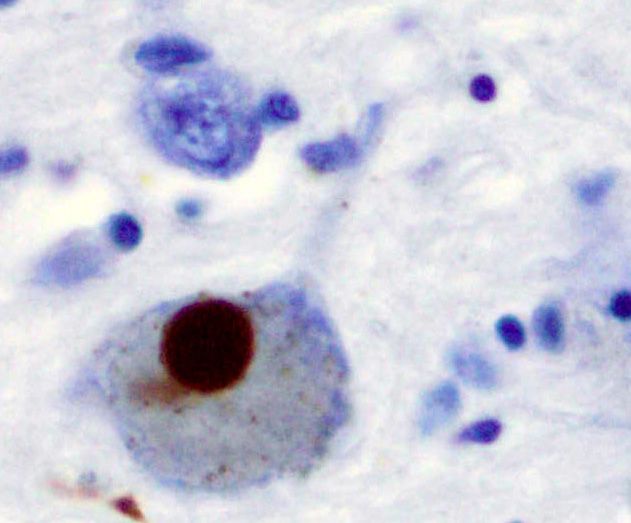
People who have bipolar disorder may be more likely to later develop Parkinson’s disease than people who do not have bipolar disorder, according at a study published in the May 22, 2019, online issue of Neurology, the medical journal of the American Academy of Neurology.
“Previous studies have shown a relationship between depression and Parkinson’s disease, but few studies have looked at whether there is a relationship between bipolar disorder and Parkinson’s,” said study author Mu-Hong Chen, MD, Ph.D., of Taipei Veterans General Hospital in Taiwan.
For the study, researchers examined a national Taiwanese health database for people were diagnosed with bipolar disorder between 2001 and 2009 and who had no history of Parkinson’s disease, for a total of 56,340 people. They were matched with 225,360 people of the same age, sex and other factors who had never been diagnosed with bipolar disorder or Parkinson’s disease as a control group. Then the two groups were followed until the end of 2011.
Regenerative medicine and stem cells are often uttered within the same breath, for good reason.
In animal models, stem cells have reliably reversed brain damage from Parkinson’s disease, repaired severed spinal cords, or restored damaged tissue from diabetes, stroke, blood cancers, heart disease, or aging-related tissue damage. With the discovery of induced pluripotent stem cells (iPSCs), in which skin and other tissue can be reversed into a stem cell-like state, the cells have further been adapted into bio-ink for 3D printing brand new organs.
Yet stem cells are hard to procure, manufacture, and grow. And unless they’re made from the patient’s own cell supply—massively upping production costs—they’re at risk of immune rejection or turning cancerous inside their new hosts.
A number of physiological and psychological changes occur as we age, and many studies have shown that our gut microbiome also changes as we grow older. A fascinating new study is suggesting that a shift in gut bacteria in our middle-age could trigger a process that plays a role in cognitive decline in our later years. And diet may be the key to encouraging the growth of beneficial bacteria that benefit healthy brain aging.