Hmmm; sounds like he needs to read one of my postings on congitive thinking.
Sex, drugs, God, and a hit TV show. Are there any limits to the techno-optimism of television’s favorite “wonder junkie”?
Hmmm; sounds like he needs to read one of my postings on congitive thinking.
Sex, drugs, God, and a hit TV show. Are there any limits to the techno-optimism of television’s favorite “wonder junkie”?
Enough said; hope folks are paying attention when re-creating those “Cognitive Thinking” skills in AI; otherwise, they miss the boat with almost 60% of the world’s population.
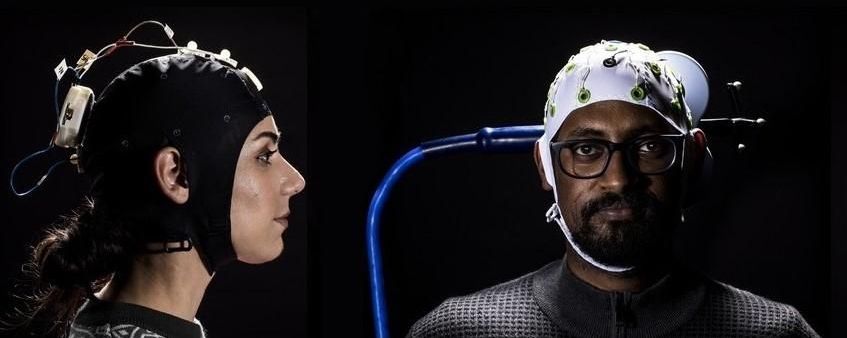
NEW YORK: Male and female behavioural differences correlate with their different brain networks, say researchers, including one of Indian origin.
Structural differences in the brain may relate to male and female behaviour differences such as men being more likely to be better at learning and performing a single task at hand and women being more likely to exhibit superior memory and social cognition skills, the study said.
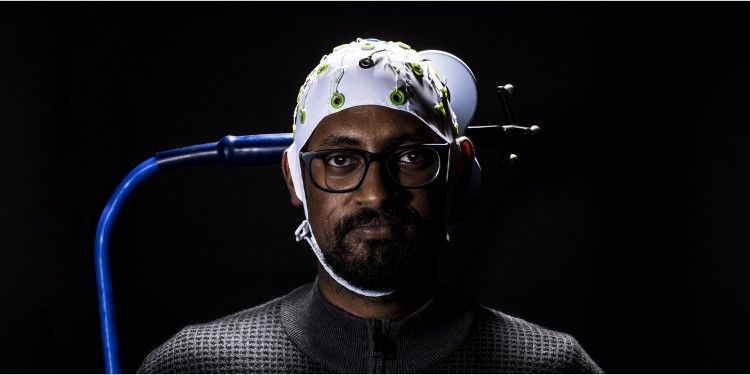
“Our results suggest a synchrony between sex-related differences in the brain network and behaviour,” said senior study author Ragini Verma, associate professor at Perelman School of Medicine at University of Pennsylvania in the US.
Interesting. What do you think of this?
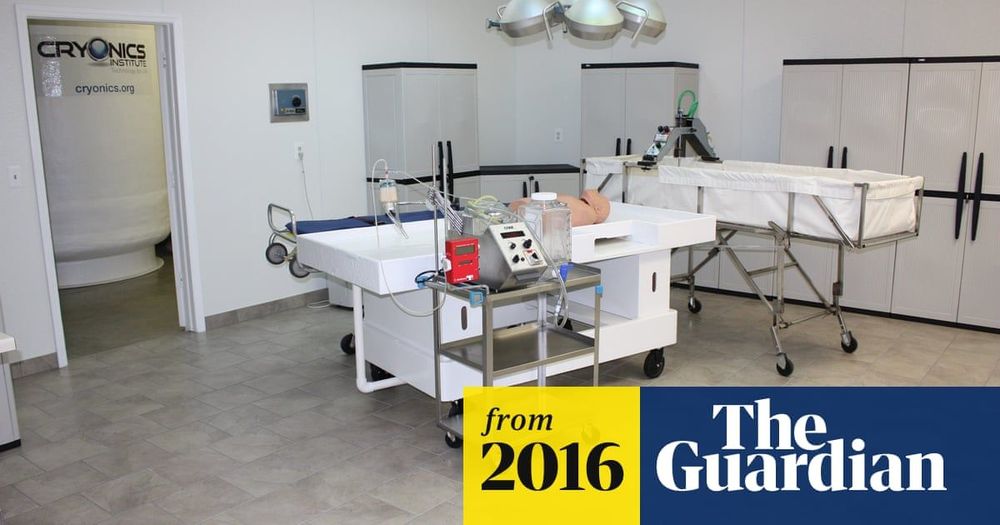
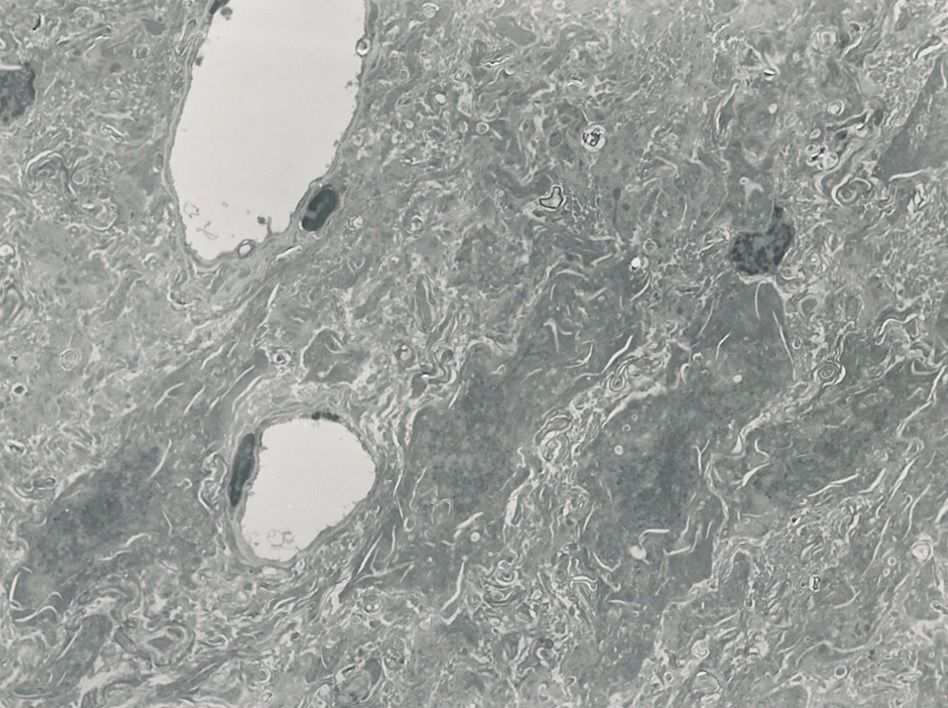
A mammal brain has been defrosted from cryogenic storage in an almost perfect state for the first time. This breakthrough, accomplished using a rabbit brain, brings us one – albeit tiny – step closer to the prospect of reanimating a human brain that has been cryogenically preserved.
After death, organs begin to decay, but we can delay this by cooling these tissues, just like freezing food. But in the same way that a frozen strawberry becomes soggy when defrosted, it is difficult to perfectly preserve mammals at cold temperatures. We, and strawberries, contain large amounts of water, which freezes into ice crystals that damage cells.
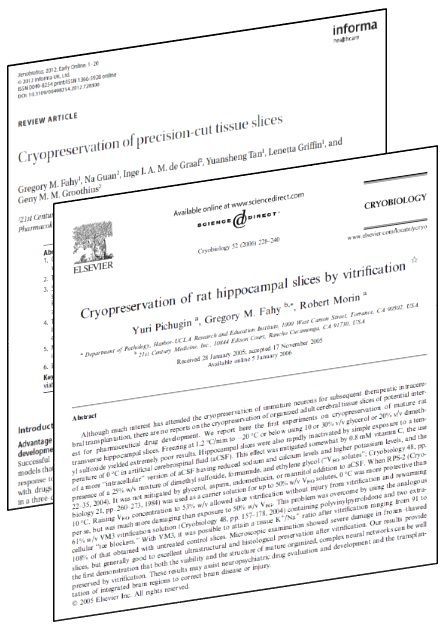
Cryoprotectants can prevent this ice damage, working like medical-grade antifreezes and preventing organs from freezing. This works in small worms and rabbit kidneys, but it needs to be administered quickly, which usually causes brains to dehydrate and shrink.
A study of cadavers reveals a dramatic decrease of vitamin B12 in the brain across the ages but also among young people with autism and schizophrenia.
Another example backing up the fact that AI and any brain mapping & cognitive thinking efforts will require both male and female engineers leading and developing AI together.
Male and female behavioural differences correlate with their different brain networks, say researchers, including one of Indian origin… Read health articles & blogs at TheHealthSite.com
Post-Human
Radically often it seems like something out of science fiction. But every day that passes we get closer to the technological singularity.
Visit: http://
Human and animal movements generate slight neural signals from their brain cells. These signals obtained using a neural interface are essential for realizing brain-machine interfaces (BMI). Such neural recording systems using wires to connect the implanted device to an external device can cause infections through the opening in the skull. One method of solving this issue is to develop a wireless neural interface that is fully implantable on the brain.
However, the neural interface implanted on the brain surface should be of small size and minimally invasive. Furthermore, it requires the integration of a power source, antenna for wireless communication, and many functional circuits.
Now, a research team at the Department of Electrical and Electronic Information Engineering at Toyohashi University of Technology has developed a wafer-level packaging technique to integrate a silicon large-scale integration (LSI) chip in a very thin film of a thickness 10 µm (Sensors, “Co-design method and wafer-level packaging technique of thin-film flexible antenna and silicon CMOS rectifier chips for wireless-powered neural interface systems”).
A rabbit’s brain has been successfully returned from long-term cryogenic storage, marking the first time a whole mammalian brain has been recovered in near-perfect condition.
It marks a significant breakthrough in the field of cryonics and boosts the prospect of one day bringing frozen human brains back to life.
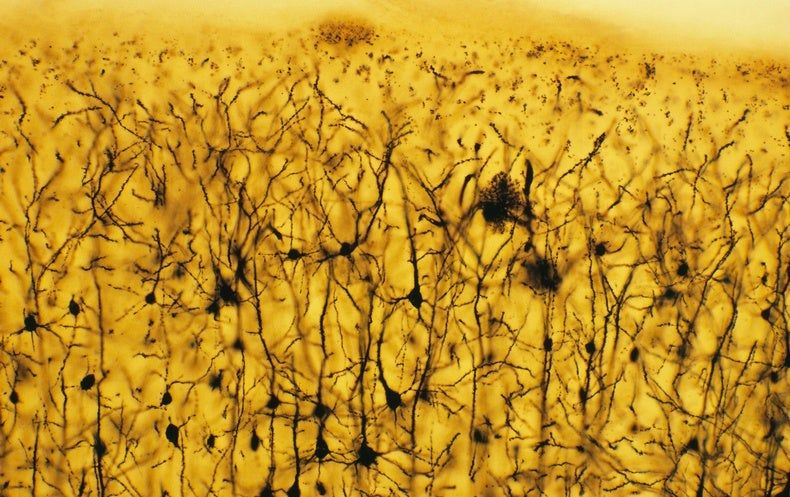
Researchers from 21st Century Medicine (21CM) used a new technique called Aldehyde-stabilized cryopreservation that filled the vascular system of the rabbit brain with chemicals that would allow it to be cooled to −211 degrees Fahrenheit (−135 degrees Celsius). When it was thawed, the cell membranes, synapses, and intracellular structures remained intact.
Although I hate to admit it; there is some truth to the US Intelligence concerns that Gene Editing. Such as biological weapons could be enhanced with gene editing. However, my verdict is still out on some of the other concerns that were highlighted.
Easy to use. Hard to control. The intelligence community now sees CRISPR as a threat to national safety.
Researchers from 21st Century Medicine have developed a new technique to allow long term storage of a near-perfect mammalian brain. It’s a breakthrough that could have serious implications for cryonics, and the futuristic prospect of bringing the frozen dead back to life.
By using a chemical compound to turn a rabbit’s brain into a near glass-like state, and then cooling it to −211 degrees Fahrenheit (−135 degrees Celsius), a research team from California-based 21st Century Medicine (21CM) showed that it’s possible to enable near-perfect, long-term structural preservation of an intact mammalian brain. The achievement has earned not just accolades from the scientific community, but a prestigious award as well; the 21CM researchers are today being awarded the $26,735 Small Mammal Brain Preservation Prize, which is run by the Brain Preservation Foundation (BPF).