The trendy concept of “dopamine fasting” actually finds its roots in established addiction therapies.
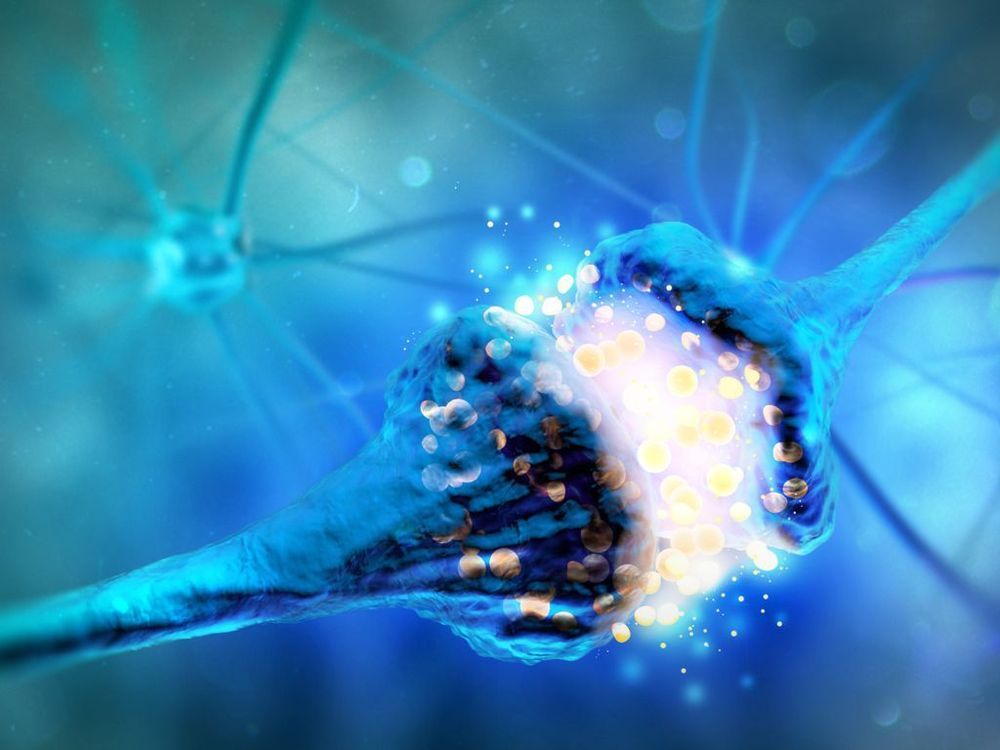
Several newly published studies are reporting evidence affirming a growing hypothesis that links inflammation with cognitive deficits. As well as associating inflammation with the cognitive deficits seen in conditions such as bipolar disorder and Alzheimer’s, some research is even suggesting low-grade systemic inflammation in healthy subjects can result in mental sluggishness.
For some time patients suffering from chronic inflammatory conditions such as rheumatoid arthritis or inflammatory bowel disease have reported mild cognitive deficits in association with their disease. Despite a number of correlational studies finding connections between inflammation and cognitive performance, homing in on any clear causal links has been a little tricky for scientists.
“Scientists have long suspected a link between inflammation and cognition, but it is very difficult to be clear about the cause and effect,” explains Ali Mazaheri, from the University of Birmingham. “For example, people living with a medical condition or being very overweight might complain of cognitive impairment, but it’s hard to tell if that’s due to the inflammation associated with these conditions or if there are other reasons.”

Last week, the BBC reported on the plight of axolotls in Mexico City, which are under threat of extinction. [1] The risk to these creatures is made doubly concerning when you consider their incredible ability to regenerate and apparent immunity to cancer, which is of great interest to scientists and companies working in the Longevity sector. One such company is Bioquark, a Philadelphia-based life sciences company that is working on the development of combinatorial biologics for the rejuvenation and repair of human organs and tissues. Among its clinical plans, it lists the development of therapeutic products for cancer reversion, organ repair and regeneration, and even brain death resuscitation. Nothing major then!
Bioquark has developed a novel combinatorial biologic called BQ-A, which mimics the regulatory biochemistry of the living human egg (oocyte) immediately following fertilization. While ooplasm-based reprogramming has been studied in experiments such as in-vitro fertilization and cloning, Bioquark claims it is the first company to apply it to somatic tissue in mammals.
We spoke with Bioquark’s CEO, Ira Pastor, a 30-year veteran of the pharmaceutical industry, to find out more about the company and where it’s headed.
The fast-moving development of brain-machine interfaces got a boost when Elon Musk announced the work for Neuralink, his new company devoted to implantable devices to enhance cognition and better marry our brains with super-computing. His competitor, fellow tech entrepreneur Bryan Johnson of Kernel, weighs in on why he thinks advancing cognition can solve all the other problems in the world. But tech ethicist Tristan Harris says not so fast — we haven’t properly accounted for what existing tech has already done to us. Think things through with this brainy episode of Future You with Elise Hu.
—————————————————–
Follow NPR elsewhere, too:
• Twitter: https://twitter.com/npr
• Facebook: https://www.facebook.com/NPR
• Instagram: https://www.instagram.com/npr/
• Tumblr: http://npr.tumblr.com/
• Snapchat: https://www.snapchat.com/add/npr
ABOUT NPR
NPR connects to audiences on the air, on demand, online, and in person. More than 26 million radio listeners tune in to NPR stations each week and more than 36 million unique visitors access NPR.org each month making NPR one of the most trusted sources of news and insights on life and the arts. NPR is also the leading publisher of podcasts, with 36 original shows and an average of 4 million listeners per week. NPR shares compelling stories, audio and photos with millions of social media users on Facebook, Twitter, Instagram, Pinterest, YouTube and Snapchat; NPR News and NPR One apps, online streaming, podcasts, iTunes radio and connected car dashboards help meet audiences where they are. NPR’s live events bring to the stage two-way conversations between NPR hosts and the audience in collaboration with the public radio Member Station community. This robust access to public service journalism makes NPR an indispensable resource in the media landscape.
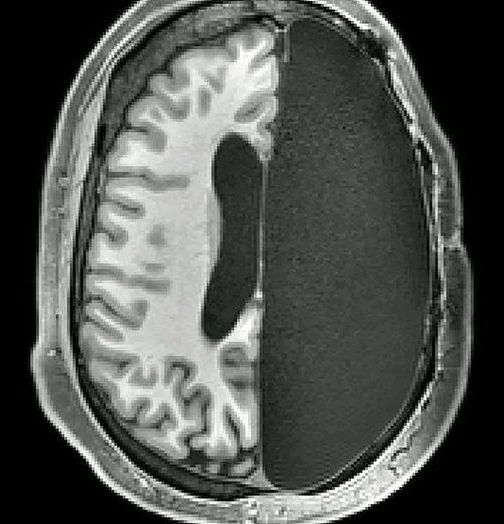

Education and bravery are the key to our survival. In this article we dig into the correlation between health and longevity.
With so many supplement salesman and scientists talking about longevity it can get confusing as to exactly what that might mean. Of course we all want to live as long as we can but most would agree to it only if they were able to be healthy and active. After all how would life be worth it if you were confined to a bed or wheelchair in constant pain?
As we improve health we also extend life. One drawback to extending life is that we face health problems we might have avoided by simply not being alive. However as we extend life we will also extend health and find ways to cure all diseases. For most of humanity throughout the ages Cancer or Alzheimer’s was rarely a cause for concern. Cancer and Alzheimer’s was not as prevalent because most people did not live long enough to be stricken with them. Many humans died from infections, starvation, and injury and thus the expected life span was much lower than today. Every time a new advancement is made in healthcare we improve the odds of living longer. Hospitals, handwashing, and vaccines all improved a human beings chance of survival and also their chance of contracting a new or otherwise unusual disease.
Haven’t heard from Fossel in awhile. This is long but well indexed in the notes.
My mission is to drastically improve your life by helping you break bad habits, build and keep new healthy habits to make you the best version of yourself.
This video me, Brent Nally, interviewing Dr. Michael Fossel about Telocyte and telomerase gene therapy on November 16, 2019.
- Please consider a donation to me: My PayPal https://paypal.me/BrentNally or my Bitcoin Cash (BCH) address: qr9gcfv92pzwfwa5hj9sqk3ptcnr5jss2g78n7w6f2
SHOW NOTES:
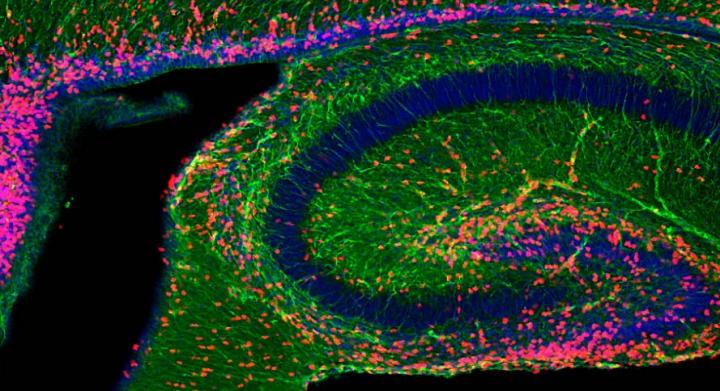

A new study is suggesting a metabolite produced by gut microbes could increase neuron production in the brain, improve intestinal function, and ultimately slow the aging process. Across several compelling mouse experiments the research found the negative effects of aging could be counteracted by enhanced microbial production of a molecule called butyrate.
Investigating the effect of the gut microbiome on aging, the new research first performed gut microbiome transplants between old and young mice. Using fecal transplants, young germ-free mice were colonized with the gut microbiota of older mice. The results were somewhat unexpected as the younger mice colonized with the older microbiomes displayed increased neurogenesis, a process whereby new neurons are produced in the brain.
“We’ve found that microbes collected from an old mouse have the capacity to support neural growth in a younger mouse,” explains Sven Pettersson, lead on the research team from Nanyang Technological University in Singapore. “This is a surprising and very interesting observation…”
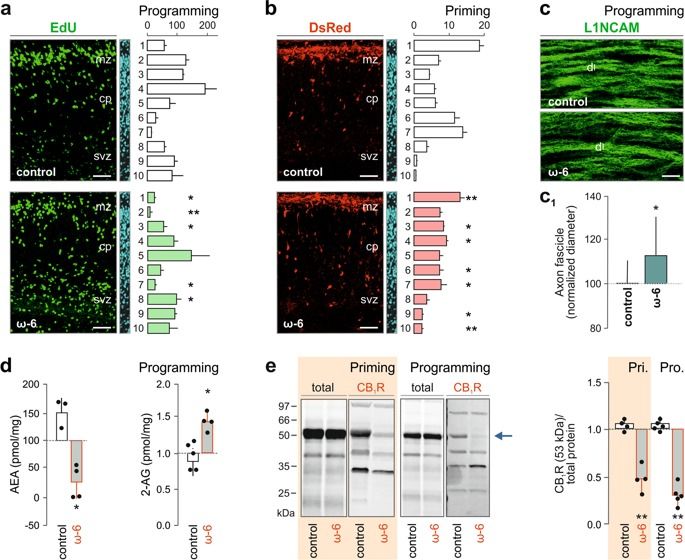
The evolution of human diets led to preferences toward polyunsaturated fatty acid (PUFA) content with ‘Western’ diets enriched in ω-6 PUFAs. Mounting evidence points to ω-6 PUFA excess limiting metabolic and cognitive processes that define longevity in humans. When chosen during pregnancy, ω-6 PUFA-enriched ‘Western’ diets can reprogram maternal bodily metabolism with maternal nutrient supply precipitating the body-wide imprinting of molecular and cellular adaptations at the level of long-range intercellular signaling networks in the unborn fetus. Even though unfavorable neurological outcomes are amongst the most common complications of intrauterine ω-6 PUFA excess, cellular underpinnings of life-long modifications to brain architecture remain unknown. Here, we show that nutritional ω-6 PUFA-derived endocannabinoids desensitize CB1 cannabinoid receptors, thus inducing epigenetic repression of transcriptional regulatory networks controlling neuronal differentiation. We found that cortical neurons lose their positional identity and axonal selectivity when mouse fetuses are exposed to excess ω-6 PUFAs in utero. Conversion of ω-6 PUFAs into endocannabinoids disrupted the temporal precision of signaling at neuronal CB1 cannabinoid receptors, chiefly deregulating Stat3-dependent transcriptional cascades otherwise required to execute neuronal differentiation programs. Global proteomics identified the immunoglobulin family of cell adhesion molecules (IgCAMs) as direct substrates, with DNA methylation and chromatin accessibility profiling uncovering epigenetic reprogramming at 1400 sites in neurons after prolonged cannabinoid exposure. We found anxiety and depression-like behavioral traits to manifest in adult offspring, which is consistent with genetic models of reduced IgCAM expression, to suggest causality for cortical wiring defects. Overall, our data uncover a regulatory mechanism whose disruption by maternal food choices could limit an offspring’s brain function for life.