Toggle light / dark theme

Scientists Say New Quantum Material Could “‘Download’ Your Brain”

Scientists say they’ve developed a new “quantum material” that could one day transfer information directly from human brains to a computer.

The research is in early stages, but it invokes ideas like uploading brains to the cloud or hooking people up to a computer to track deep health metrics — concepts that until now existed solely in science fiction.

Read more

Variance in gut microbiome in Himalayan populations linked to dietary lifestyle

‘’Examining how deep disagreements arise will demonstrate the gravity of the issue. Why do we disagree with valid, knowable facts when we all live in the same world, we have roughly the same cognitive abilities and, in the Western world at least, most people have fairly easy access to roughly the same information?


What happens when you can’t agree on the facts?

Read more

Brain scans may reveal concussion damage in living athletes

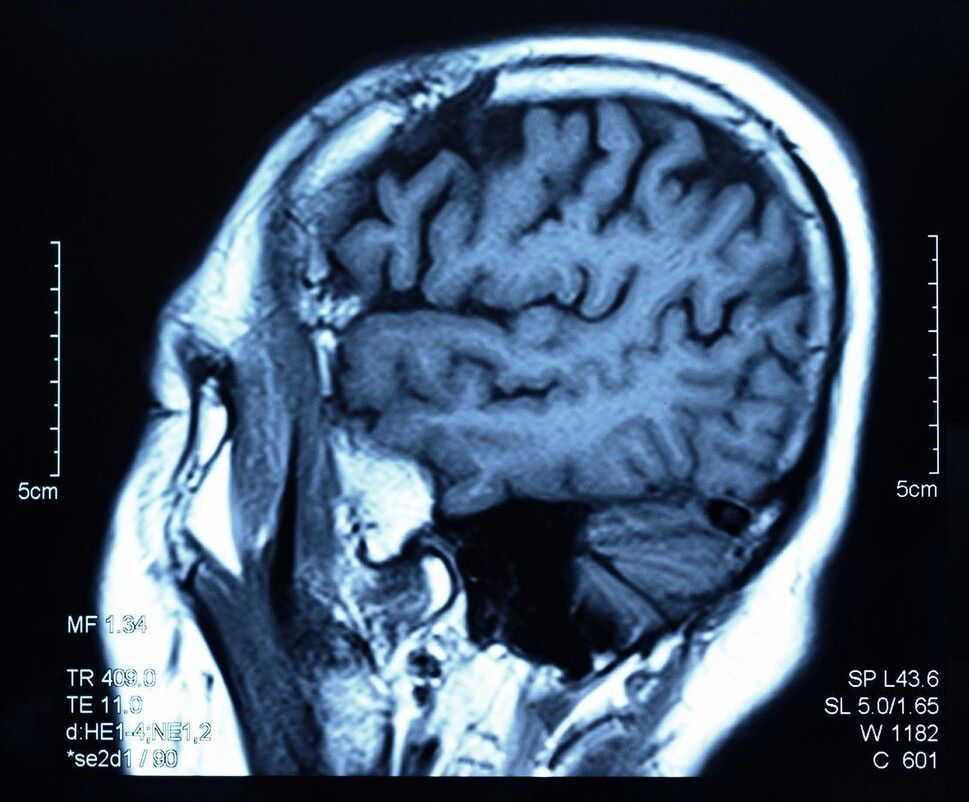
Researchers may be closing in on a way to check athletes while they’re alive for signs of a degenerative brain disease that’s been linked to frequent head blows. Experimental scans found higher levels of an abnormal protein tied to the disease in a study of former National Football League players who were having mood and thinking problems.

It’s the first time a major study has tested these scans for detecting chronic traumatic encephalopathy, or CTE, which is only diagnosed now after death, with brain autopsies.

Doctors are searching for a way to tell when players, veterans or others with concussions or other head injuries are at risk for permanent damage. It’s too soon to know if the scans will enable that — so far they only show that these athletes are different as a group; they can’t be used to say a particular player does or does not have CTE.

Read more

Radical Fecal Transplant Therapy in Kids Has Reduced Their Autism Severity

Transforming the microbial environment in the guts of children diagnosed with autism could significantly ease the severity of their condition’s signature traits, according to newly published research.

A study on the effects of a form of faecal transplant therapy in children on the autism spectrum found participants not only experienced fewer gut problems, but continued to show ongoing improvements in autism symptoms two years after the procedure.

Arizona State University researchers had already discovered a dose of healthy gut microflora caused characteristics associated with autism spectrum disorder (ASD) to ease or vanish for at least a couple of months after treatment ended.

Read more

Chinese Scientists Gene-Hacked Super Smart Human-Monkey Hybrids

But not everyone is on board.

“The use of transgenic monkeys to study human genes linked to brain evolution is a very risky road to take,” University of Colorado geneticist James Sikela told the MIT Technology Review. “It is a classic slippery slope issue and one that we can expect to recur as this type of research is pursued.”

Pinpointing the gene’s role in intelligence could help scientists understand how humans evolved to be so smart, MIT Tech reports.

Read more

Reversing Cognitive Decline

A team of Stanford researchers led by Professor Wyss-Coray set out to find out which genes were linked to age-related cognitive decline. Not only did the researchers find the culprit, they were able to reverse cognitive decline and rejuvenate aged mouse brains.

Searching for the cause of cognitive decline

Microglia are immune cells that reside in the brain and spinal cord. These cells mediate immune responses in the central nervous system and act like other macrophages, clearing cellular debris and dead neurons from nervous tissue through the process of phagocytosis (cell eating).


This Neural Implant Accesses Your Brain Through the Jugular Vein

A permanent neural implant that reads brain activity and churns out text could prove to be a valuable medical tool, but it also could provide doctors with an unprecedented 24/7 stream of neural data.

Oxley recognizes that an endless feed of brain activity could be invaluable to medical researchers, but he doesn’t have plans to tap into that yet.

“[The Stentrode is] going to show us information that we hadn’t had before. Whether that helps us understand other things is not what we’re trying to do here,” he said, clarifying that Synchron’s primary goal is to get the new brain-computer interface working so that it can help paralyzed patients. “This is a novel data set, but this raises questions around privacy and security. That’s the patient’s data, and we can’t be mining that.”

Read more

Memory of older people returned to state of someone in their 20s

The memory of older people has been returned to the state of someone in their 20s for the first time by applying electrical stimulation to the brain to reconnect faulty circuits.

Scientists at Boston University in the US have proven it is possible to restore working memory by ‘recoupling’ areas of the brain which have become out-of-sync as people grow older.

Short-term working memory is crucial for everyday life, storing information for around 10 — 15 seconds to allow problem solving, reasoning, planning and decision making, allowing someone, for example, to keep a telephone number in mind while writing it down.

Read more

/* */