Toggle light / dark theme

It’s transhuman life, but not as we know it

#Transhumanism in the Sunday Times of London. 750,000 copies out today. My pres campaign in it briefly, as well as other transhumanists.


The new Netflix series Altered Carbon is set in a dystopian future where the super-rich can avail of technology that allows them to upload their consciousness to a new body every time they die, in effect giving them immortality.

It’s science fiction, of the kind previously explored in the novels of Philip K Dick and William Gibson, movies such as RoboCop and The Terminator, manga comics like Ghost in the Shell and even the Man-Machine album by German electronic music pioneers Kraftwerk — but only until it comes to pass.

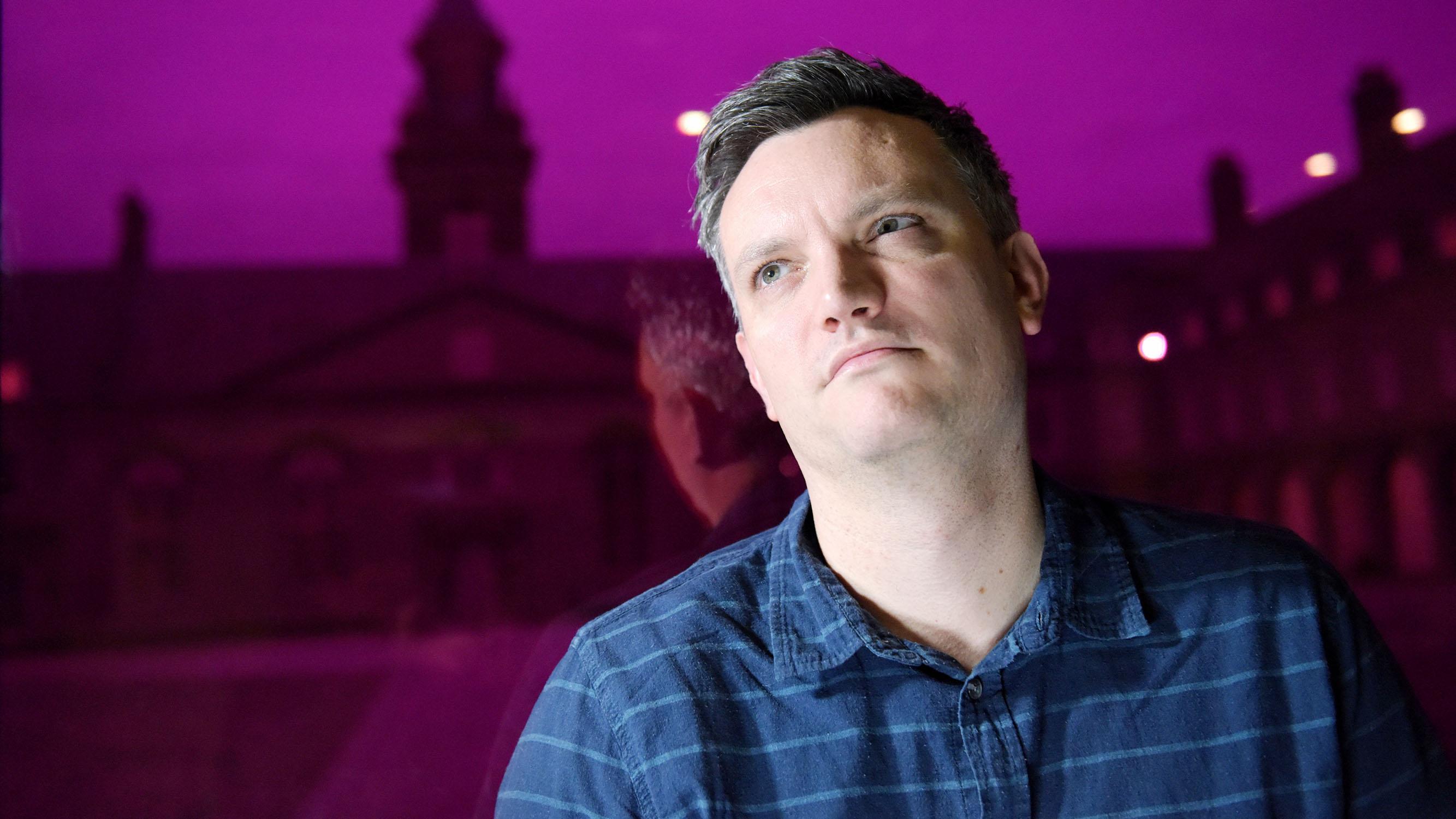
Dublin writer Mark O’Connell spent three years travelling the globe, meeting people who believe that they can actually achieve this by digitising their brains and transcending human flesh to become de facto cyborgs, impervious to…
Cleo Robotics Demonstrates Uniquely Clever Ducted Fan Drone

A personal drone that i could eventually see as something that will follow you around all day and be rigged up as an AI assistant. Have it equipped with solar power skin so it could operate indefinitely. The video has the music cranked so it is probably super loud. Drones need to solve noise and power issues before this becomes practical, no one will want something as loud as a vacuum cleaner buzzing around their head.


This donut-shaped drone, not technically known as a dronut, offers a tasty combination of safety and ease of use.

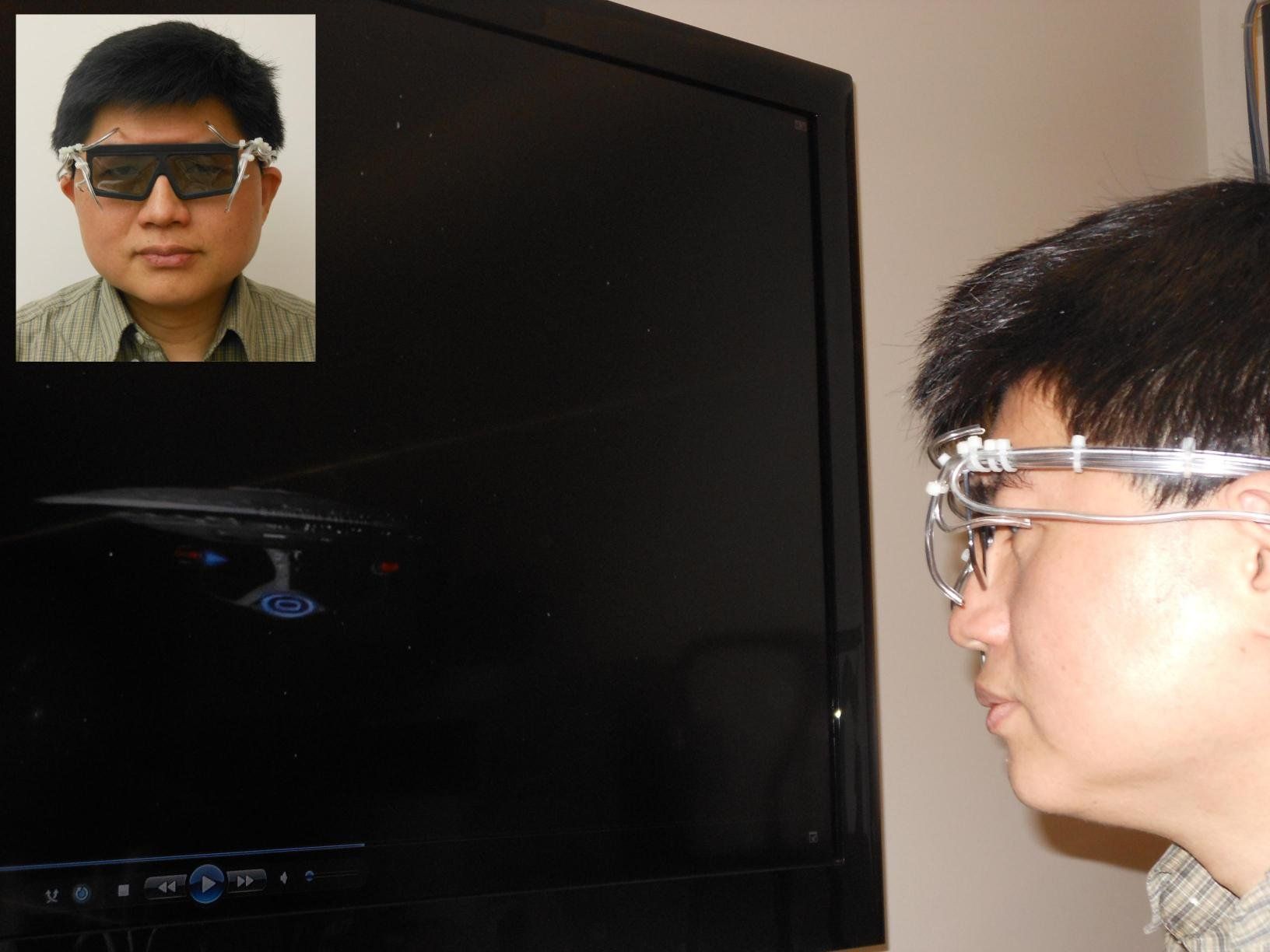
New ‘4D goggles’ allow wearers to be ’touched‘

A team of researchers at UC San Diego and San Diego State University has developed a pair of “4D goggles” that allows wearers to be physically “touched” by a movie when they see a looming object on the screen, such as an approaching spacecraft.

The device was developed based on a study conducted by the neuroscientists to map brain areas that integrate the sight and touch of a looming object and aid in their understanding of the perceptual and neural mechanisms of .

But for the rest of us, the researchers said, it has a more practical purpose: The device can be synchronized with entertainment content, such as movies, music, games and virtual reality, to deliver immersive multisensory effects near the face and enhance the sense of presence.

Digital Transformation: Interview with David Edgerton, King’s College London | Manuel Stagars

“In conversations with visionaries, decision makers, technologists, leading scientists, entrepreneurs, artists, and others around the world, the film gives insight into the global digital future, its most pressing challenges, and biggest opportunities. Interviews from the project are available in long form. This conversation took place in June 2017 with David Edgerton, Hans Rausing Professor of the History of Science and Technology and Professor of Modern British History at King’s College London.”

Read more

Google bought a UK startup that turns screens into speakers

Over the past year, Google has demonstrated its desire to step up its hardware game. The company bought HTC’s Pixel team for $1.1 billion, designed its own imaging chip for the Pixel 2 and also hired a key Apple chip designer. Bloomberg reports that in its bid to gain an edge on the competition, Google has quietly snapped up UK startup Redux, a small team focused on delivering sound and touch feedback via mobile displays.

According to filings, Google took control of the startup back in August and then subsequently shut down the company’s website. Previous demonstrations show Redux playing back music via a tablet device, which possesses tiny actuators that vibrate the screen and effectively turn it into a loudspeaker. By eliminating the need for smartphone speakers, Google may be able free up more space for batteries and other important components inside future smartphones.

Look into the future using the first smart glasses with Alexa control

There are a lot of people in the world that need glasses on a daily basis. Despite their often expensive price tag, they do little more than correct poor eyesight. Let Glass updates glasses for the 21st century by integrating them with smart home connectivity.

While maintaining a slim form factor, Let Glass features audio entertainment, telephone communication, and voice interaction. Using Alexa and a built-in microphone, these frames allow users to control their smartphones without fumbling through their pockets. Simply tapping the legs of the smart glasses activate remote control functions, while voice commands handle everything else. In addition to Amazon Alexa, Apple Siri and Google Now are also supported.

Keeping with a traditional appearance, audio is produced using bone conduction technology. Instead of a speaker, the glasses vibrate the small bones in the ear to produce sound. This also keeps ears open to other noises, ensuring users remain aware of their surroundings. This allows users to listen to music, track activity, use voice navigation, call a friend, and more.

District 9 director Neill Blomkamp hopes game engines can democratize film

This week, Neill Blomkamp, the Academy Award-nominated director of District 9, unveiled a short film that he made with the Unity Technologies game engine. At Unity’s event in Austin, Texas, Blomkamp’s Oats Studios showed off Adam: The Mirror, a 6-minute film that was a sequel to Adam, a short film that Unity built as an internally produced showcase demo last year.

Evoking the theme of transhumanism, or the notion that we can live beyond our physical bodies, the film shows an android coming to life and realizing that it was a human trapped in a robot’s body. The film was meant to show off the power of the Unity engine when it comes to making high-quality 3D graphics. But to Blomkamp, it’s also an example of how a game engine can help democratize film, making life easier for independent film makers just as Unity has done for indie game developers.

Oats Studios in Vancouver will release a second film, Adam: The Prophet, also built with Unity. And if all goes well, then Blomkamp might be able to get financing for a larger Adam movie, since he has already created a backstory and script for the project. Blomkamp said the game engine helps because it allows him to shoot one scene and then put it into a digital form, like a “3D sandbox.” He shot some scenes in the desert for Adam: The Mirror. And if he needs to re-use that desert scenery, he can do so very easily because it exists in a digital format. So he only has to go out to the desert once to shoot actors.

/* */