I think the talk was well received, and I appreciate them hearing me out.
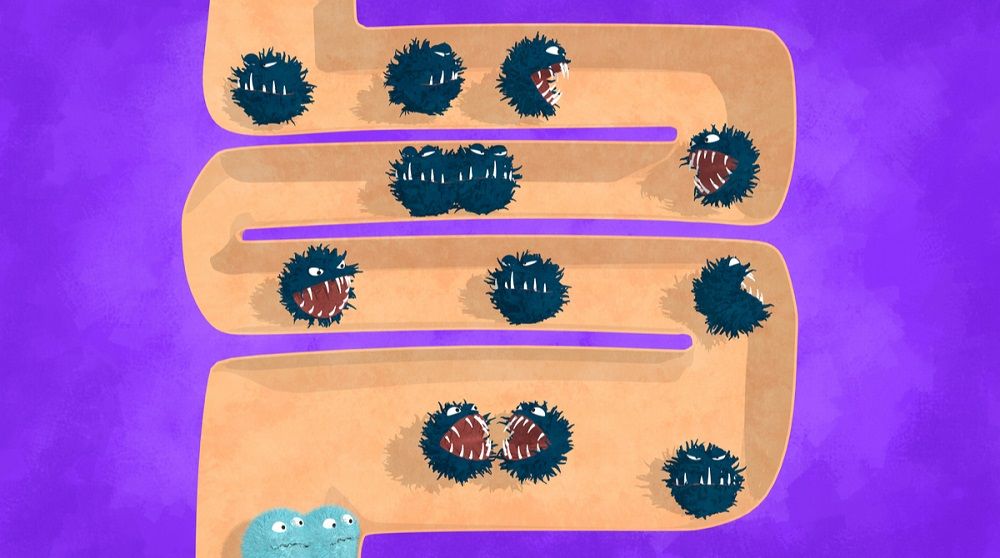
Summary: Microbiome study of centenarians shows that ‘ridiculously healthy’ elderly have the same gut bacteria composition as healthy 30 year-olds. Can a more robust microbiome lead to the longer healthier life enjoyed by centenarians, or is it the other way around? [This article first appeared on LongevityFacts, follow us on Google+ | Facebook | Reddit. Author: Brady Hartman. This article was updated Dec. 2, 2017]
A recent study found that centenarians have the same microbiome as 30-year-olds.
In one of the most extensive studies of the human microbiome to date, an international group of researchers linked a healthy gut with “ridiculously healthy” elderly known as centenarians. This important study was conducted by the China-Canada Institute (CCI), a collaboration of geroscientists from the Lawson Health Research Institute, Western University, and Tianyi Health Science Institute in China. The researchers published their study titled “The Gut Microbiota of Healthy Aged Chinese Is Similar to That of the Healthy Young,” in the journal mSphere.
Summary: The goals of geroscience are to help us live longer and healthier. A new film clip from Kurzgesagt explains the rationale behind lifespan-extension science, and why it’s not just about living longer but also living healthier.
(Video) Why Age? Should We End Aging Forever?
Summary: Novel resveratrol analogs rejuvenate aging human cells, lengthening their Full Explanation of Telomeres.
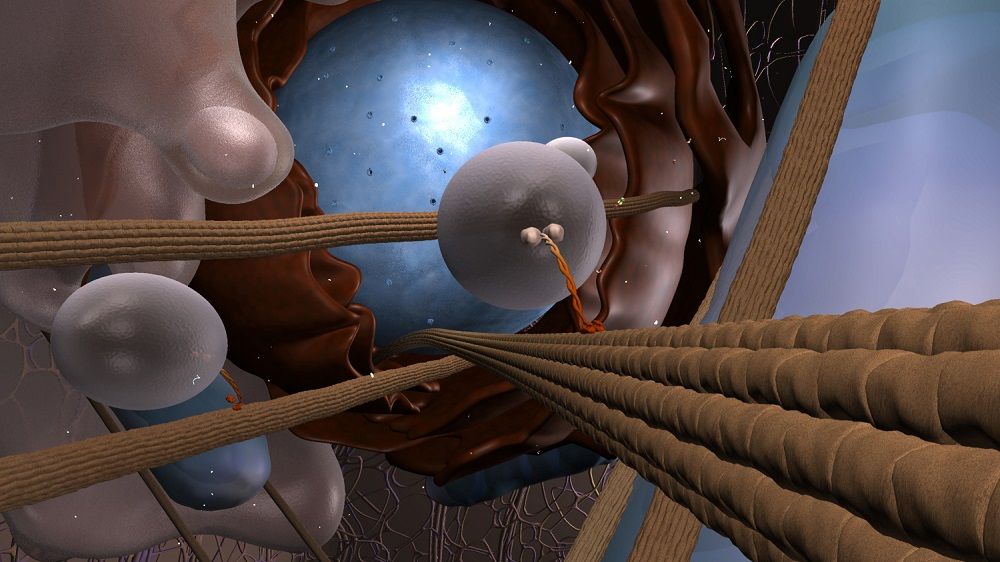
Telomeres are a unique segment of DNA that sits at the end of the chromosome. Telomeres have repetitive sequences that are recognized as the end of the chromosome but are only there to keep the chromosome from becoming frazzled or damaged. Moreover, every time the cell divides, the telomeres also divide. But sometimes the telomeres can become shorter. As they grow shorter, they act like a clock that lets the cell know how old it is. The length of the telomere is the molecular clock, predicted by Hayflick. The telomere mechanism limits the number of times a cell can divide without losing DNA. When telomeres become too short, the cells cease multiplying and either become senescent or die.
Moreover, one of the interesting features about telomeres is that in cancer cells stay immortal by keeping their telomeres long. That means that cancer cells can continue dividing, long after they should have reached the end of their lifespan. This is one of the tactics that cancer cells use to trick the body into letting them keep replicating. [Source – NHGRI and Wikipedia.].

When taken daily, rapamycin causes side effects, the most serious of which include an increased risk of infection due to immune suppression, elevated blood sugar, and an increased risk of type 2 diabetes. Some of the side effects of daily rapamycin therapy are extremely serious, occasionally causing death due to infections. The complete list of side effects reported by daily rapamycin users includes high cholesterol, high triglycerides, glucose intolerance, insulin resistance, new-onset diabetes, anemia, thrombocytopenia, gastrointestinal disorders, sinusitis, respiratory and urinary infections, testicular dysfunction, and skin problems.
Daily vs. Intermittent Rapamycin Therapy
Rapamycin therapy is promising. However, researchers still need to determine the dosage that provides health benefits while eliminating harmful side effects. Scientists think they have already found the answer because rapamycin behaves differently when taken daily, as opposed to intermittently.
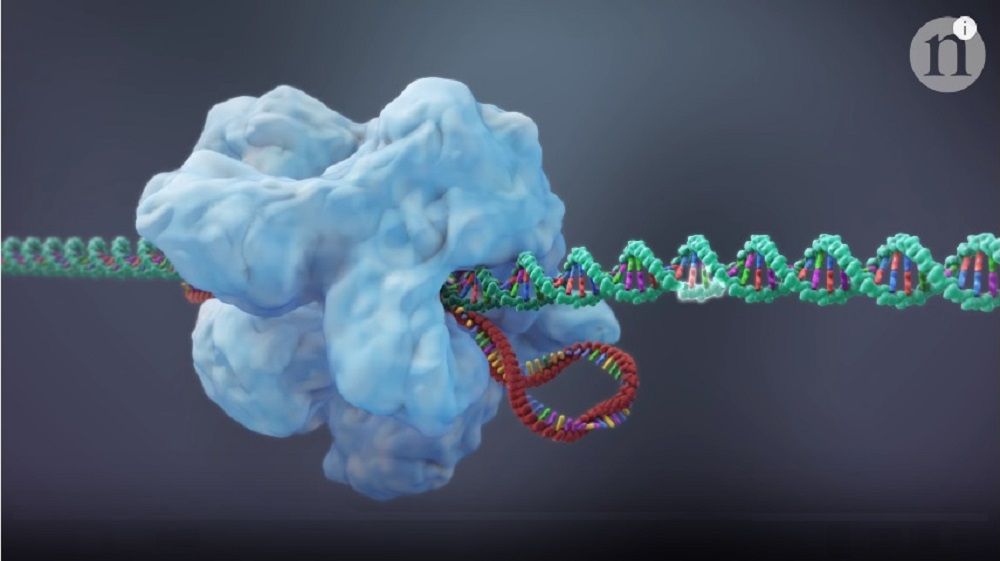
Summary: (Video) A short animation from the journal Nature demonstrates revolutionary new additions to the CRISPR toolbox some call CRISPR 2.0. Scroll down for video. [This article first appeared on LongevityFacts. Follow us on Reddit | Google+ | Facebook. Author: Brady Hartman.]
Techniques to modify DNA in the genome have existed for several decades, and the original CRISPR-Cas9, called CRISPR 1.0, brought an era of faster, cheaper, and more efficient gene editing tools. A short video from the journal Nature shows you how scientists have revolutionized the original CRISPR-Cas9 system, significantly expanded its toolbox, creating a more powerful set of tools some call CRISPR 2.0. Genetic engineers have discovered how to make CRISPR perform new tricks such as improved gene editing, turning genes on and off, and making genes glow for research.
What are gene editing and crispr-cas9?
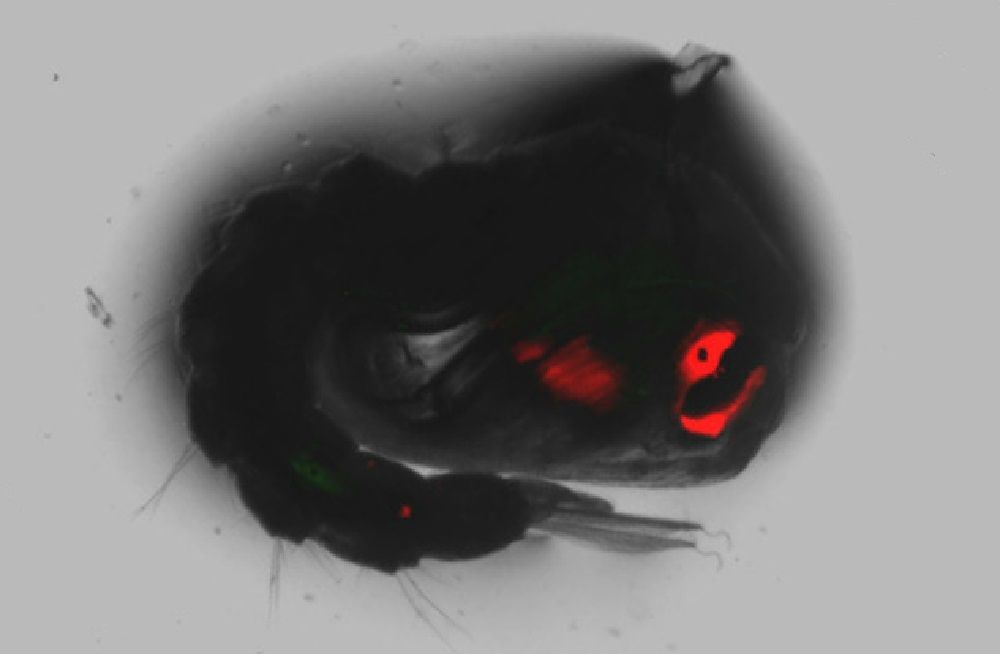
Summary: Will gene drive wipe out malaria-causing mosquitoes, or will the genetic technology that ‘spreads like wildfire’ cause a catastrophe? Gene drive raises hopes and fears as a team of scientists funded by the Bill & Melinda Gates Foundation are using it to wipe out the mosquitoes that carry malaria, to eradicate the disease. [This article first appeared on LongevityFacts. Follow us on Reddit | Google+ | Facebook. Author: Brady Hartman.]
In a basement lab at the Imperial College London (ICL), a group of researchers led by Andrew Hammond are on a mission to wipe out malaria. The scientists are funded by the Bill & Melinda Gates Foundation and are using a technology called gene drive – a souped-up form of genetic engineering designed to wipe out the mosquitoes that carry the disease.
The lab contains cages of mosquitoes modified with the gene drive, along with an additional gene that makes their eyes and other body parts glow red under laser light.
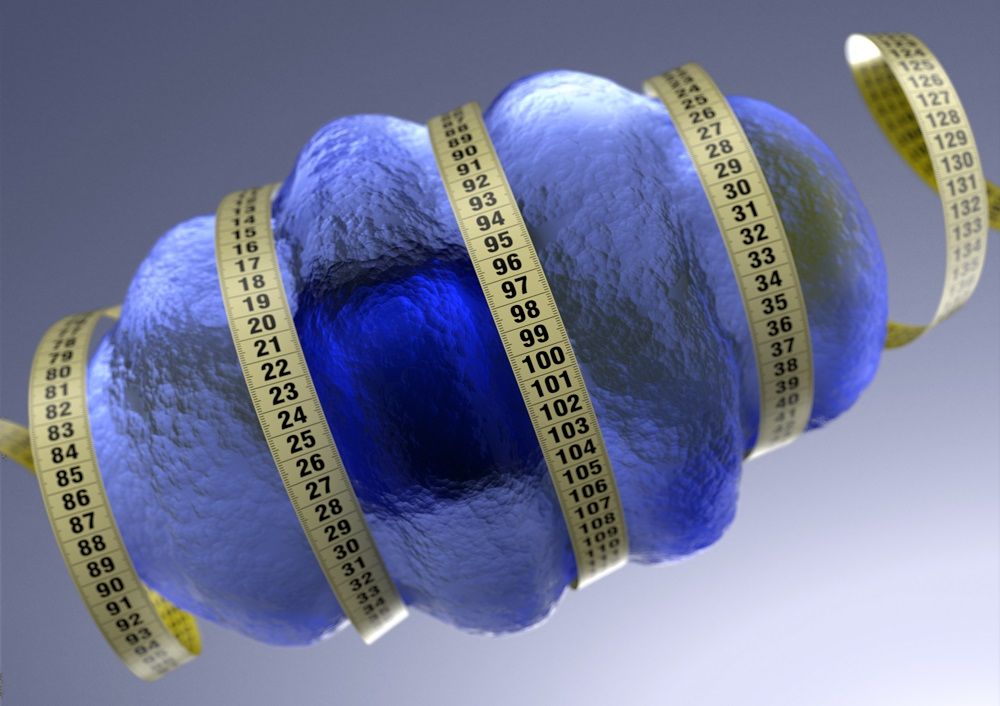
Summary: Can a gene fuel obesity? Variants of a gene called ‘ankyrin-B’ – a gene carried by millions of Americans – could cause individuals to put on pounds through no fault of their own. [This article first appeared on LongevityFacts. Follow us on Reddit | Google+ | Facebook. Author: Brady Hartman]
We often attribute obesity to eating too much and exercising too little. However, the evidence is growing that at least some of our weight gain is predetermined by our genes. And if a simple genetic variant causes weight gain, then it’s a prime target for gene editing.
New research from the University of North Carolina suggests that variants in a gene called ankyrin-B, a gene carried by millions of Americans, could cause individuals to gain weight through no fault of their own.
Summary: Aubrey de Grey’s SENS foundation is both controversial and inspirational. Watch a 3-minute video of Aubrey, followed by a discussion of Dr. Aubrey de Grey’s revolutionary plans to reverse aging. [This article first appeared on LongevityFacts.com. Author: Brady Hartman. Follow us on Reddit | Google+ | Facebook. ]
Aubrey de Grey is on a mission to reverse aging and has a large group of followers who think he might do it.
In a video interview with the Swiss Innovation Forum a few days ago, Aubrey explains the mission of his SENS Research Foundation in simple language. Later on, you’ll read about the details of his revolutionary plans for rejuvenation science.
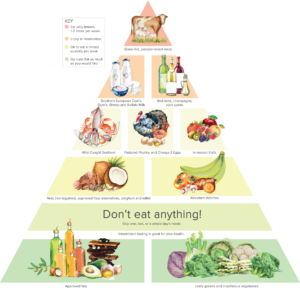
Have you seen the clickbait campaign that focuses on the research of Dr. Steven Gundry. It employs a slimy, photo-tile lure that asks you to turn up your speakers and then hawks a product or service disguised as a breakthrough discovery. These scams force the viewer to stay on the page. Typically, there is no indication of how long the video is, or any way to skip forward,
But often, it is hard to tell if a photo tile is news or clickbait. Big companies like Yahoo and Outbrain intermingle genuine news with marketing scams, teasers and outright fake news into an array of little photos at the end of every feature. This particular clickbait may be a story of a dogged counter-cultural researcher with a genuinely relevant finding. It could be newsworthy…I’m just not sure. Dr. Gundry clearly believes that our health is adversely affected by many of the plant based foods that we thought was healthy, because of a defense mechanism linked to lectin.
Passing judgement on Dr. Gundry’s evolutionary claims and diet recommendations begs for independent clinical studies, or at least the analysis and commentary of scholars in nutrition, gastroenterology and evolution. But, like Robert Atkins and Dean Ornish, Dr. Gundry seems earnest in his research and motives. I don’t think that he is selling anything other than his opinion.
For example, Gundry claims that farmers have selectively reinforced a genetic mutation in cows, which appeared only two thousand years ago—and that this has resulted in a lectin-like protein in milk called Casein A1. (Normal cows make Casein A2, a safe protein). Apparently, the only herds of “normal” cows are on farms in southern Europe. Could this result in food poisoning for the rest of us? Dr. Gundry is pretty convincing that the answer could be “Yes”.
This article is a stub without a conclusion. Rather than passing judgement, I encourage further inquiry. Reader feedback is invited. What do you think about Dr. Gundry’s analysis and claims. Might there be adverse problems associated with many “healthy” vegetables and out of season fruits? Tell me, doctor: Must I give up sun-dried tomato and eggplant?!
This is Philip Raymond’s first post on food and nutrition. More often, he covers Bitcoin, online privacy and quantum physics.
Raymond chairs CRYPSA, produces The Bitcoin Event, edits Wild Duck and moderates LinkedIN Bitcoin P2P, the largest Bitcoin discussion group. He delivered the keynote address at Cryptocurrency Expo in Dubai last month and sits on the New Money Systems board at Lifeboat Foundation.
