
Category: life extension – Page 694

2017 SRF Summer Scholars Selfie Video
The SRF Summer Scholars Program offers undergraduate students the opportunity to conduct biomedical research to combat diseases of aging, such as cancer, atherosclerosis, and Parkinson’s Disease. Under the guidance of a scientific mentor, each Summer Scholar is responsible for his or her own research project in such areas as genetic engineering and stem cell research. The Summer Scholars Program emphasizes development of both laboratory and communication skills to develop well-rounded future scientists, healthcare professionals, and policy makers.
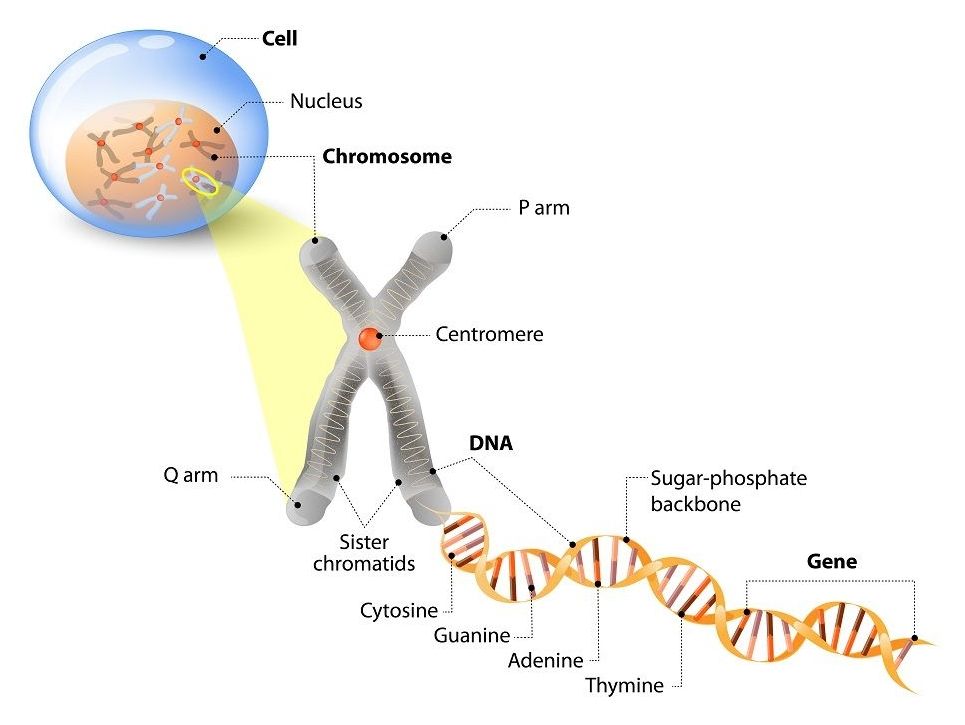
Hallmarks of Aging: Telomere Attrition
This is the third part of our ongoing series of articles that discuss the Hallmarks of Aging. Published in 2013, the paper divides aging into distinct categories (“hallmarks”) of damage to explain how the aging process works and how it causes age-related diseases[1].
Today, we will be looking at one of the primary hallmarks, telomere attrition.

People Support Living Longer if it Means Remaining Healthy
A number of studies in different countries show that when people are asked “how long would you like to live?”, they respond with a figure equal to or slightly higher than the current life expectancy in a given country[1–4]. So, why does the public often lack enthusiasm for longevity?
These studies have shown that, generally, the public is uninterested in living longer than normal because they believe that these extra years will be spent suffering from the illnesses of old age. This is why the public often reacts to words like ‘longevity’ this way; to them, ten extra years likely means a decade spent in a wheelchair or some other decrepit state robbed of independence and health.

Has human evolution reached its peak?
According to a French physiologist, humans have reached the peak of our height, lifespan and physical fitness.
I suspect that from our vantage point (a narrow snapshot of human evolution), we lack sufficient data to arrive this sweeping conclusion. Nevertheless, mainstream media is taking this research seriously.
http://www.newsweek.com/humans-reached-peak-height-lifespan-fitness-741816
Ray Kurzweil: Our Health Is About to Be Radically Transformed
Ray Kurzweil discusses how biotechnology is rapidly and radically changing our lives, which will improve our health and longevity.
End Aging — with Aubrey de Grey | Virtual Futures Salon
Aubrey de Grey, from Nov 28, 2017.
Virtual Futures presents Dr. Aubrey de Grey who claims to have drawn a roadmap to defeat biological aging and proposes that that the first human beings who will live to 1,000 years old have already been born.
Dr Aubrey de Grey is the Chief Scientific Officer and Co-founder of the SENS Research Foundation, a charity that researches the application of regenerative medicine to age-related disease, with the intent of repairing underlying damage to the body’s tissues, cells, and molecules. Their goal is to help build the industry that will cure the diseases of aging.
In conversation with Luke Robert Mason (Director, Virtual Futures).
–