Toggle light / dark theme

Blockchain Smart Contracts: A Hyper-Deflationary Force for Health Care Delivery

Blockchaining coming to healthcare digital services.


Blockchain and digital health services could be a perfect match for each other across a variety of applications. From distributed interoperable health records to proof of adherence for medication, the healthcare industry is ripe for digital innovation. More generally, technology is a hyper-deflationary force, and this could be particularly effective in delivering quality health care through more effective channels such as mobile apps.

Investments in the digital health space have increased significantly in the past two years. This is largely possible because of improved low-power sensors and user-friendly cloud platforms that interface with those hardware devices. The Rock Health Funding Database shows a $4.5 billion increase in venture funding in digital health from 2014 to 2015.

Smart contract technology is built on top of virtual currencies such as Bitcoin and is a hallmark of “Bitcoin 2.0” platforms. Blockchain is the fundamental infrastructure needed for Bitcoin transactions to work, and an enabling technology for the next generation of asset-based platforms.

Cyrano lets you smell what’s on your iPhone

Smell what you view.


Practically every product I’ve ever reviewed has had to pass some kind of smell test.

But none more so than Cyrano, a new cylindrical shaped three-inch tall consumer electronics gadget that is being marketed as a “digital scent speaker.” I’ve been sniffing around it for a few days. It is now available in limited quantities on preorder.

What exactly is a digital scent speaker? Think glorified high tech equivalent of an air freshener or candle, only you can more easily switch fragrances or quickly turn smells on or off. And the company behind Cyrano, Cambridge, MA.-based Vapor Communications, has more ambitious aspirations for the product—for use in storytelling, gaming and most importantly, health and wellness.

Why precision medicine is important for our future

We definitely need precision medicine. If you don’t believe it is worth that; then I have a few widows & widowers who you should speak to; I have parents that you should speak with; I have a list of sisters & brothers that you should speak with; and I have many many friends (including me) that you should speak with about how we miss those we love because things like precision medicine wasn’t available and could have saved their lives.


Precision medicine is the theme for the 10th annual symposium of the Johns Hopkins Institute for Nano Biotechnology, Friday, April 29, 2016 at 9 a.m. in the Owens Auditorium at the School of Medicine. This year’s event is cohosted by Johns Hopkins Individualized Health Initiative (also known as Hopkins in Health) and features several in Health affiliated speakers.

By developing treatments that overcome the limitations of the one-size-fits-all mindset, precision medicine will more effectively prevent and thwart disease. Driven by data provided from sources such as electronic medical records, public health investigations, clinical studies, and from patients themselves through new point-of-care assays, wearable sensors and smartphone apps, precision medicine will become the gold standard of care in the not-so-distant future. Before long, we will be able to treat and also prevent diseases such as diabetes, Alzheimer’s disease, heart disease, and cancer with regimes that are tailor-made for the individual.

Hopkins in Health is a signature initiative of Johns Hopkins University’s $4.5 billion Rising to the Challenge campaign is a collaboration among three institutions: the University, the Johns Hopkins Health System, and the Applied Physics Laboratory. These in Health researchers combine clinical, genetic, lifestyle, and other data sources to create innovative tools intended to improve decision-making in the prevention and treatment of a range of conditions, including cancer, cardiovascular disease, autoimmune disorders, and infectious disease. The goal is to “provide the right care to the right person at the right time.”

Low levels of vitamin D, methylation in black teens may increase cancer risk

Lesson in Vitamin D.


Low levels of vitamin D in black teens correlates with low activity of a major mechanism for controlling gene expression that may increase their risk of cancer and other disease, researchers report.

Their study measured vitamin D levels as well as levels of global DNA methylation in 454 healthy individuals age 14–18. In this group, 99 percent of the white teens had adequate vitamin D levels, 66 percent of the black teens were vitamin D-deficient and all the black teens had lower levels of methylation compared to their white peers, said Dr. Haidong Zhu, molecular geneticist at the Georgia Prevention Institute at the Medical College of Georgia at Augusta University.

When they looked at another group of 58 young black individuals also with low vitamin D and methylation levels who received varying doses of vitamin D supplements for 16 weeks, they found a dose response: the more vitamin D received, the higher the methylation activity, said Zhu, corresponding author of the study in the journal PLOS ONE.

Kids’ cancer risk might be tied to where mom was born

Hmmm; I do know for many there is a set of genetic mutations that seem to sit dormat and eventually triggered by environment conditions.


(Reuters Health) — The risk of some childhood cancers might vary depending on where a child’s mother was born, a new study suggests.

For example, some brain and kidney cancers occurred less often in children whose Hispanic mothers were born outside the U.S. than in youngsters whose Hispanic or white mothers were born in the U.S., researchers found.

However, the Hispanic children had a higher risk of certain blood cancers regardless of where their mothers were born.

Silent Cancer Therapeutic Market — Historical, Current and Projected industry size and Recent Industry Trends by 2015 — 2021

Very eye opening: North America has the largest market for silent cancer therapeutic, followed by Europe.


Logo426

Silent cancer refers to those types of cancer which are undiagnosed in early stages. This is due to asymptomatic nature of the disease which makes it difficult to identify the disease till it progresses to advanced stages. Major silent types of cancer include brain, cervix, esophagus, mouth and larynx, ovarian, pancreatic, kidney, and liver cancer. Some silent types of cancer such as ovarian cancer, esophageal cancer, and pancreatic cancer show symptoms in their early stages. Ovarian cancer occurs in epithelium or lining cells of the ovary. Major signs and symptoms of ovarian cancer include pain or cramps in the belly, nausea, abnormal vaginal bleeding, and bloating. Pancreatic cancer is one of the fastest growing types of cancer worldwide. Esophagus cancer is more common among the older population, compared to adults. This cancer is mainly treated by chemotherapy, surgery, and radiosurgery. Moreover, physicians also use combination therapy for the treatment of silent cancer. For instance, the combination of radiation therapy and chemotherapy is very effective in the treatment of silent cancer.

The global silent cancer therapeutic market is categorized based on type, and mode of treatment. Based on type, the report covers tumors, brain, mouth and larynx, esophagus, liver, renal, pancreatic, cervix, and ovarian cancer. Based on mode of treatment, the report covers chemotherapy, targeted therapy, pharmaceutical drugs, surgery, and radiotherapy.

North America has the largest market for silent cancer therapeutic, followed by Europe. This is due to technological advancements in cancer treatment devices, increasing prevalence of cancer, rise in aging population and improved healthcare infrastructure in the region. The silent cancer therapeutic market in Asia is expected to experience high growth rate over the next few years. This is due to evolving R&D activities in the field of cancer, increasing government support for research, rise in number of cancer patients, growing awareness about various types of silent cancer, increasing elderly population and developing healthcare infrastructure in the region. Moreover, growing demographics and economies in developing countries such as India and China are expected to drive the silent cancer therapeutics market in Asia.


Google Glass to ‘rehumanise’ doctor-patient relationship

Using Google Glass, Augmedix has developed a platform for doctors to collect, update and recall patient and other medical data in real time, technology website TechCrunch reported on Tuesday.

Google Glass is no longer available for consumers but its enterprise business continues to rise especially in the health care sector.

“When you are with doctors without Glass, they are charting and clicking on computers for a lot of the time and not focusing on their patients,” Ian Shakil, CEO of Augmedix was quoted as saying.

Allen Institute releases powerful new data on the aging brain and traumatic brain injury

New project underway to find answers.


The Allen Institute for Brain Science has announced major updates to its online resources available at “brain-map.org” brain-map.org, including a new resource on Aging, Dementia and Traumatic Brain Injury (TBI) in collaboration with UW Medicine researchers at the University of Washington, and Group Health. The resource is the first of its kind to collect and share a wide variety of data modalities on a large sample of aged brains, complete with mental health histories and clinical diagnoses.

“The power of this resource is its ability to look across such a large number of brains, as well as a large number of data types,” says Ed Lein, Ph.D., Investigator at the Allen Institute for Brain Science. “The resource combines traditional neuropathology with modern ‘omics’ approaches to enable researchers to understand the process of aging, look for molecular signatures of disease and identify hallmarks of brain injury.”

The study samples come from the Adult Changes in Thought (ACT) study, a longitudinal research effort led by Dr. Eric B. Larson and Dr. Paul K. Crane of the Group Health Research Institute and the University of Washington to collect data on thousands of aging adults, including detailed information on their health histories and cognitive abilities. UW Medicine led efforts to collect post-mortem samples from 107 brains aged 79 to 102, with tissue collected from the parietal cortex, temporal cortex, hippocampus and cortical white matter.

Interfering with brain pathway early could improve memory in Alzheimer’s patients

This makes me a little nervous because pathways are very fragile and just the smallest change can result is some very bad/ even devastating results in other areas of the brain/ body.


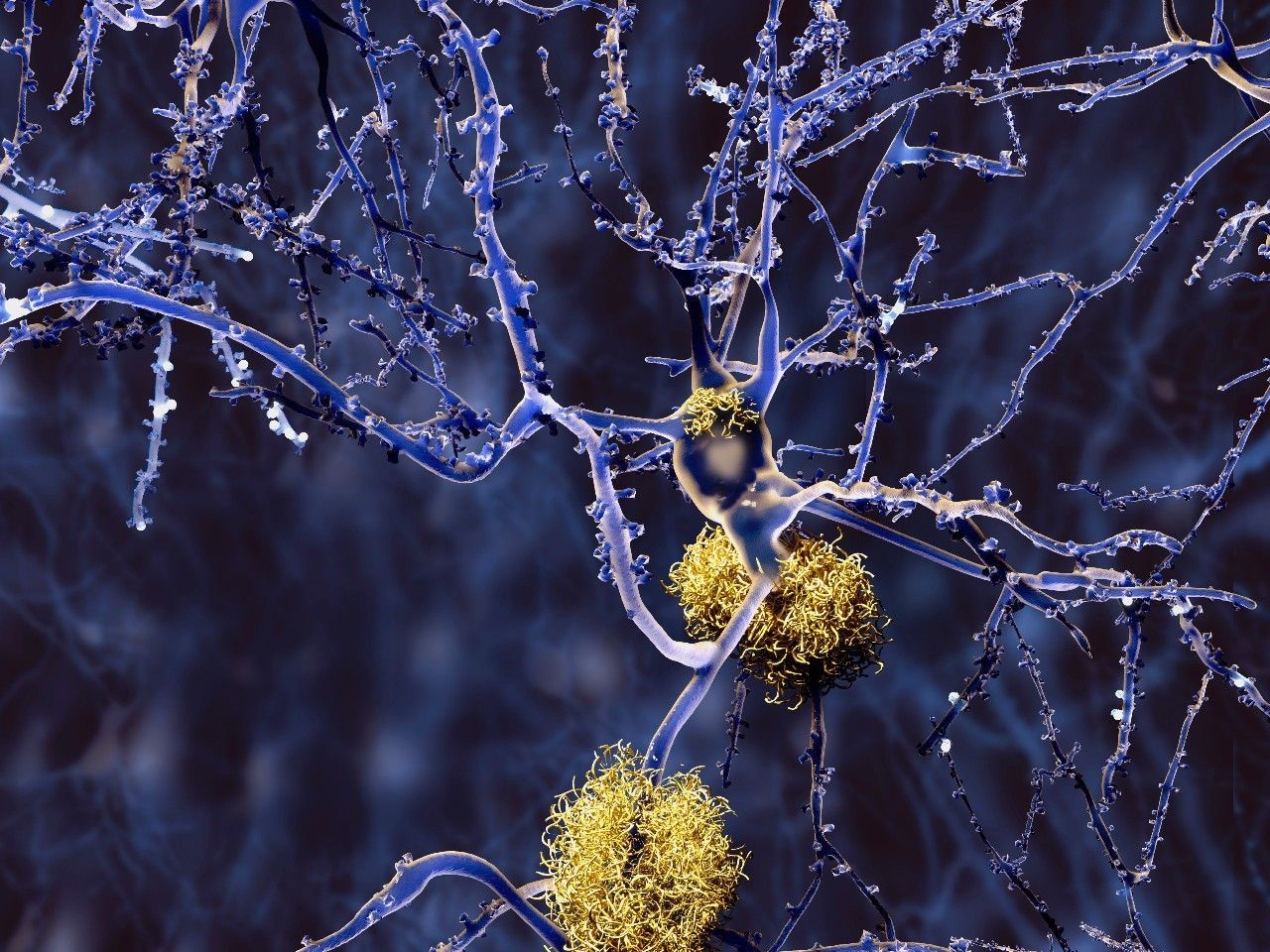
Alzheimer’s remains one of the costliest yet most mysterious conditions in the United States, where an estimated 5.1 million Americans are living with the incurable, progressive disease. But researchers at The Rockefeller University have found that manipulating a protein pathway linked with Alzheimer’s helped improve memory impairment in mice— a finding that offers hope for new treatment in humans. Memory loss is the hallmark symptom of the disease.

Scientists with the Fisher Center for Alzheimer’s Research Foundation at The Rockefeller University used a complex set of imaging technologies and experiments to identify an early trafficking protein pathway (COPI) that affects amyloid precursor protein (APP), which precedes the formation of amyloid plaques. Previous research on Alzheimer’s have targeted this plaque, but scientists haven’t successfully identified a way to halt its progression. There is currently no cure or effective treatment for the disease.

Alzheimer’s Disease Mortality by State | HealthGrove.

/* */