Toggle light / dark theme

Marijuana CEO: ‘Many of us are cannabinoid deficient’

The growing interest in cannabis and cannabis-derived products has sparked uncertainty and concern over the industry’s lack of regulations. On Thursday, the FDA held a hearing that looked deeper into the science and safety concerns that surround marijuana and CBD.

Medical Marijuana Inc (MJNA) CEO Stuart Titus is optimistic about the effects that cannabis-derived products have on humans.

“We have a very large self-regulatory system in our human bodies called the internal or the endogenous cannabinoid system,” Titus told YFi AM (video above). “And basically since cannabis has been removed from our diets for the past 80-plus years, many of us are cannabinoid deficient, and thus we start taking a nice supplementary-size serving of CBD. Many people are moving to a much higher level of overall health and wellness.”

Read more

Study finds these seven metrics predict future heart disease risk

Though it’s impossible to know whether any given person will end up developing cardiovascular disease later in life, there are known factors and lifestyle decisions that increase the risk. Knowing whether you’re at a higher risk of developing a heart health issue makes it possible to take preventative steps, and here to help with that is a new study detailing seven ‘key’ prediction metrics.

Read more

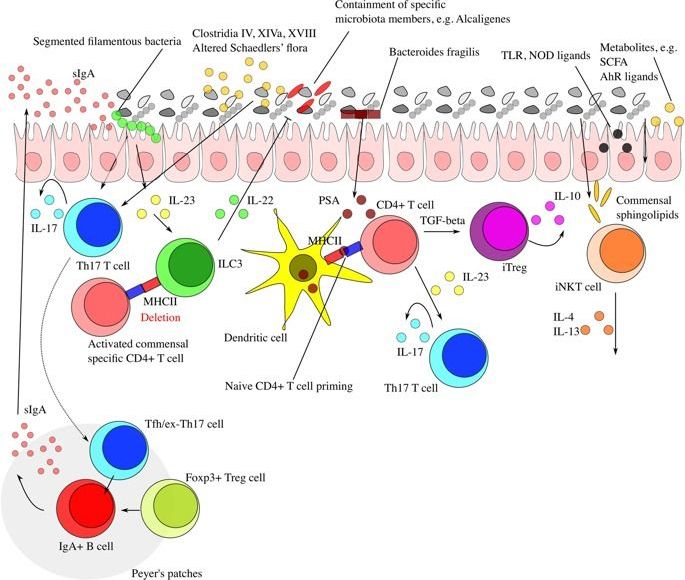
New Studies Reveal Intimate Links Between Human Microbiome And Preterm Pregnancies, IBD, And More

The newest results from the Human Microbiome Project have revealed just how connected the microbes in our gut are to our overall health.

You have about as many bacteria and other microbes living in your body as your own cells—and yet, we still don’t understand much about how this microbiome relates to bodily function. Back in 2007, the National Institutes of Health kicked off the Human Microbiome Project, a $200 million effort to understand these microbes. Scientists have now published the results from the second phase of this project, designed to study how the microbiome interacts with the human body. These three studies, which examine preterm birth, inflammatory bowel disease, and pre-diabetes, demonstrate that microbiomes are unique to individuals and intimately tied to our health.

Read more

Eating blueberries every day improves heart health

We found that eating one cup of blueberries per day resulted in sustained improvements in vascular function and arterial stiffness—making enough of a difference to reduce the risk of cardiovascular disease by between 12 and 15 percent.


Eating a cup of blueberries a day reduces risk factors for cardiovascular disease—according to new research led by the University of East Anglia, in collaboration with colleagues from Harvard and across the UK.

New findings published today in the American Journal of Clinical Nutrition show that eating 150g of blueberries daily reduces the risk of by up to 15 percent.

The research team from UEA’s Department of Nutrition and Preventive Medicine, Norwich Medical School, say that blueberries and other berries should be included in dietary strategies to reduce the risk of cardiovascular disease—particularly among at risk groups.

Read more

Nanoparticles can aid in stroke therapy

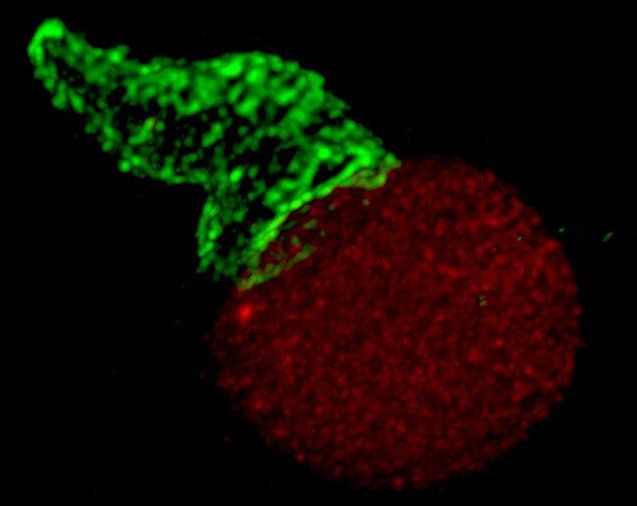
Tiny selenium particles could have a therapeutic effect on ischemic brain strokes by promoting the recovery of brain damage. Pharmacologists, including Alireza Mashaghi from the Leiden Academic Centre for Drug Research discovered that selenium nanoparticles inhibit molecular mechanisms that are responsible for the loss of brain cells after a stroke. The results were published in Nature Scientific Reports in April.

Nanoparticles against strokes

An ischemic stroke happens when a supplying blood vessel to the brain is narrowed or obstructed. As a result, the brain gets too little blood. “This lack of blood can lead to brain tissue damage due to cellular toxicity, inflammation and cell death,” Mashaghi explains. “This will, in turn, lead to brain dysfunction and neurological complaints such as numbness, vision problems, dizziness and severed headache.” Ischemic stroke accounts for 87% of all strokes and is a significant cause of death. “So far, no neuroprotective agents have been shown to produce any measurable improvement in health in cerebral stroke cases. Our results now demonstrated that selenium nanoparticles inhibit molecular mechanisms that are responsible for the loss of brain cells after a stroke.”

Read more

/* */