Families of prisoners declare public health and human rights catastrophes as officials resist calls to evacuate as virus spreads.

Michigan State University researchers have created for the first time a miniature human heart model in the laboratory, complete with all primary heart cell types and a functioning structure of chambers and vascular tissue.
In the United States, heart disease is the No. 1 cause of death. “These minihearts constitute incredibly powerful models in which to study all kinds of cardiac disorders with a degree of precision unseen before,” said Aitor Aguirre, the study’s senior author and assistant professor of biomedical engineering at MSU’s Institute for Quantitative Health Science and Engineering.
This study, “Generation of Heart Organoids Modeling Early Human Cardiac Development Under Defined Conditions,” appears on the bioRxiv preprint server.

Health officials have confirmed a case of plague at South Lake Tahoe — the first in California in five years.
El Dorado County officials said Monday that the California Department of Public Health had notified them of the positive test of a resident who is under medical care while recovering at home.
Plague bacteria are most often transmitted by fleas that have acquired it from infected squirrels, chipmunks and other wild rodents. Dogs and cats may also carry plague-infected fleas.
A Christchurch company has invented the world’s first waterproof robotic hand.
Now, they are teaming up with other tech firms in the region to help them all grow.
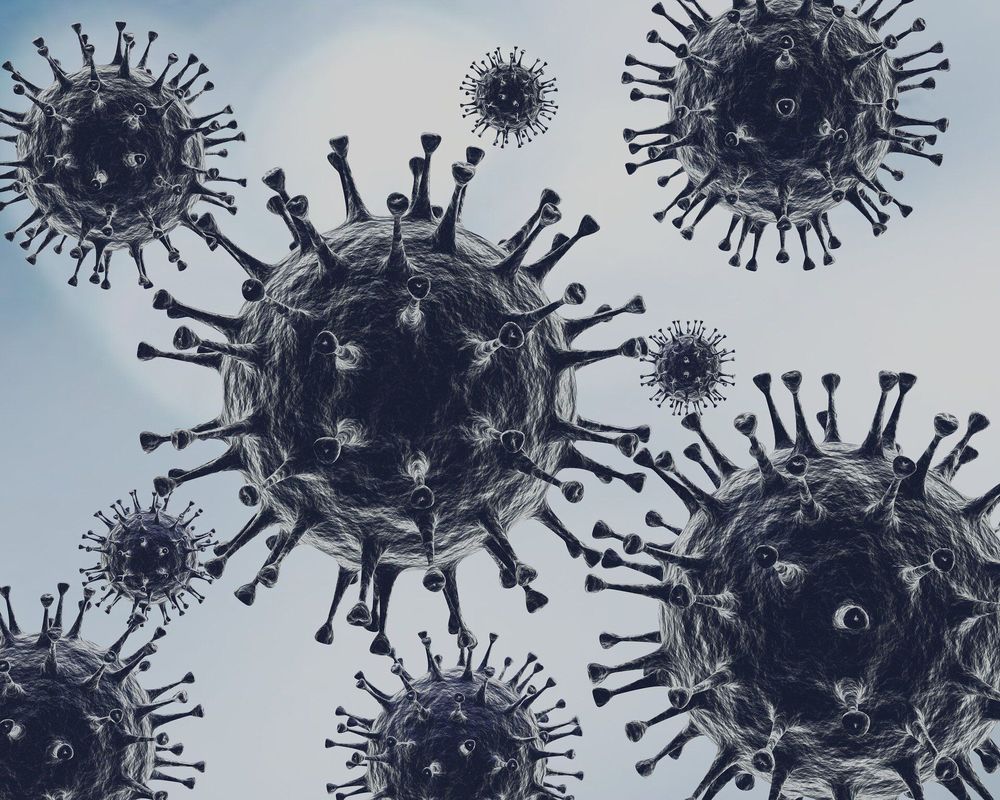
When drugs to kill microbes are ineffective, host-directed therapy uses the body’s own immune system to deal with the infection. This approach is being tested in patients with COVID-19, and now a team of researchers at Trinity College Dublin has published a study showing how it might also work in the fight against tuberculosis (TB). The findings are published in the journal Frontiers in Immunology.
Although the bacteria that causes TB (called Mtb) has scourged humankind for millennia, we do not fully understand the complexities and interplay of the human immune response to this ancient bug. Worryingly, there are increasing numbers of people with antibiotic resistant TB, which is hard to treat and is becoming a global threat to public health.
Scientists at the Trinity Translational Medicine Institute (TTMI) at St. James’s Hospital are dedicated to understanding the intricacies of the human immune response to Mtb with the aim of finding ways to target and promote the immune response to overcome the infection. Scientists already know that the human immune response can both under or over respond to the bacteria resulting in a difficulty to treat the disease. This complex immune response is analogous to driving with both the accelerator and the brakes fully engaged at the same time.
Technology could enable new health diagnostics and achieve Elon Musk’s goal of integrating with artificial intelligence.
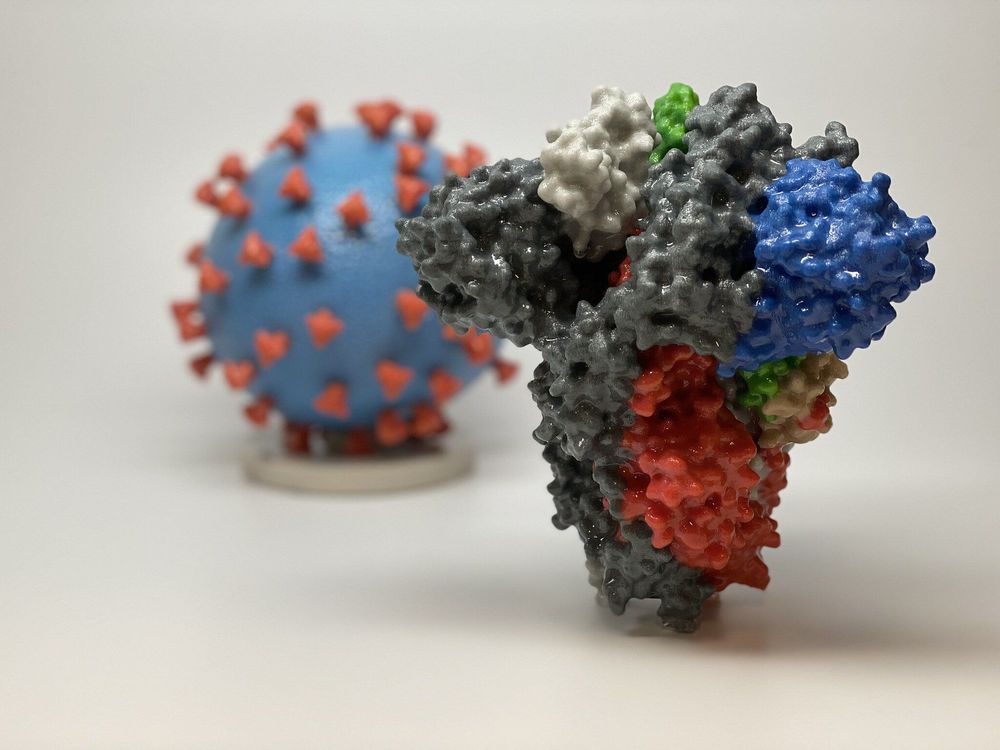
“These findings reveal how the immune system goes awry during coronavirus infections, leading to severe disease, and point to potential therapeutic targets,” said Bali Pulendran, Ph.D., professor of pathology and of microbiology and immunology and the senior author of the study, which will be published Aug. 11 in Science.
Lead authorship is shared by Stanford postdoctoral scholars Prabhu Arnunachalam, Ph.D., and Florian Wimmers, Ph.D.; and Chris Ka Pun Mok, Ph.D., and Mahen Perera, Ph.D., both assistant professors of public health laboratory sciences at the University of Hong Kong.
A Stanford study shows that in severely ill COVID-19 patients, “first-responder” immune cells, which should react immediately to signs of viruses or bacteria in the body, instead respond sluggishly.
Some people get really sick from COVID-19, and others don’t. Nobody knows why.
Now, a study by investigators at the Stanford University of Medicine and other institutions has turned up immunological deviations and lapses that appear to spell the difference between severe and mild cases of COVID-19.

The high demand on medical devices and personal protective equipment (PPE) during the COVID-19 crisis left millions of health care professionals unprotected in the middle of this situation, as governments around the world were not prepared for such pandemic. The three-dimensional printing (3DP) community, from universities to 3DP enthusiasts with printers at home, was there to support hospitals from day 1 on this demand by providing PPE and other medical supplies (e.g., face shields and valves for respiratory machines). This editorial covers the importance of 3DP in the fight against COVID-19 and how this can be used to tackle potential pandemics and support the supply chain.
After a series of cases of pneumonia in Wuhan, the capital city of Hubei province (China), the Chinese health authorities announced in January 2020 that a novel coronavirus, officially known as severe acute respiratory syndrome coronavirus (SARS-CoV)-2, was responsible for these cases.1 SARS-CoV-2, the virus that causes the coronavirus disease (COVID-19), was not detected before the recent pandemic and has been known to be genetically similar to SARS-CoV.1 The COVID-19 is transmitted mainly through contact with an infected individual, through droplets that are produced when the patient coughs or sneezes or through droplets from the saliva or nasal cavity.1,2 To avoid transmission, it is very important to implement individual hygiene measures and especially the use of personal protective equipment (PPE). However, the lack of PPE and other key resources during the COVID-19 crisis has been a constant problem, leaving many health care professionals across the world unprotected.
Dealing with a pandemic, such as COVID-19, is an unprecedented situation in this modern globalized word, which has created extraordinary emergency that is particularly affecting the supply chain.3 The supply chain disruptions, in combination with the enormous needs for medical devices and protective health care material, have created the need of new initiatives and the use of emerging technologies such as three-dimensional printing (3DP) to come forward and support the health care professionals and supply chain.
The 19 hospitalized patients from a single nursing home had tested positive for the virus in April.
All were older than age 64 and had chronic health conditions such as hypertension, dementia, heart disease, diabetes and lung diseases. Their age and health issues are considered risk factors for severe COVID-19.
The patients received either one or two intravenous doses of itolizumab along with the standard treatments used in Cuba at the time. Those included antiviral drugs, antibiotics, chloroquine, interferon, and blood thinners. Only two patients required oxygen therapy after the first dose, and all but one were discharged from the hospital in 14 days.
N”(Reuters) — An antibody drug already being used against the coronavirus in Cuba decreased the risk of intensive care admission and death among nursing home residents with moderate COVID-19, according to a small study conducted in the island nation.
India’s Biocon Ltd said earlier this month it received regulatory approval in India for itolizumab for use in coronavirus infected patients with moderate-to-severe respiratory distress. It was originally tested as a treatment for psoriasis.
Researchers, including from Cuba’s Center of Molecular Immunology, which developed itolizumab, said timely use of the drug in combination with standard therapy helped reduce inflammation and prevented COVID-19 from worsening.
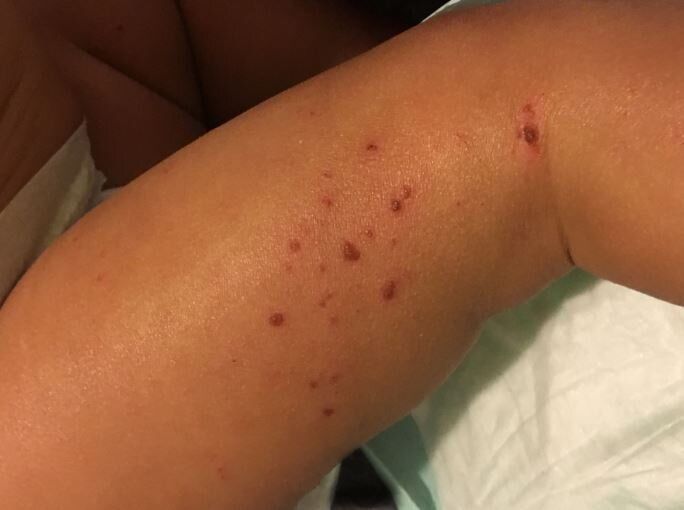
New research supported by the National Institutes of Health delineates how two relatively common variations in a gene called KIF3A are responsible for an impaired skin barrier that allows increased water loss from the skin, promoting the development of atopic dermatitis, commonly known as eczema. This finding could lead to genetic tests that empower parents and physicians to take steps to potentially protect vulnerable infants from developing atopic dermatitis and additional allergic diseases.
Atopic dermatitis is an inflammatory skin condition that affects up to 20% of children in developed countries. This chronic disease is characterized by dry, thickened and intensely itchy skin, particularly in skin folds. People with eczema are more susceptible to bacterial, viral and fungal skin infections and frequently develop additional allergic diseases such as asthma.
KIF3A is a gene that codes for a protein involved in generating signals from the outside to the inside of a cell, part of a complex sensory apparatus. Previously, scientists had identified an association between two genetic variations in KIF3A and asthma in children who also had eczema. In the new study, the researchers found that these variations, or single nucleotide polymorphisms (SNPs), changed parts of the KIF3A gene to a form that can regulate, through a process called methylation, the rate at which a gene is transcribed into the blueprint for protein production. The investigators confirmed that skin and nasal-lining cells from people with the KIF3A SNP variants had more methylation and contained fewer blueprints for the KIF3A protein than cells in which KIF3A lacked the SNPs. In addition, the researchers demonstrated that people with the SNP-created regulating sites had higher levels of water loss from the skin.