
Multilateral efforts to decipher the rejuvenation phenomenon of Turritopsis jellyfish at the genetic level also have been initiated by several collaborating research scientists.
Category: genetics – Page 592
Exposure to Glyphosate-Based Herbicides and Risk for Non-Hodgkin Lymphoma: A Meta-Analysis and Supporting Evidence
Glyphosate is the most widely used broad-spectrum systemic herbicide in the world. Recent evaluations of the carcinogenic potential of glyphosate-based herbicides (GBHs) by various regional, national, and international agencies have engendered controversy. We investigated whether there was an association between high cumulative exposures to GBHs and increased risk of non-Hodgkin lymphoma (NHL) in humans. We conducted a new meta-analysis that included the most recent update of the Agricultural Health Study (AHS) cohort published in 2018 along with five case-control studies. Using the highest exposure groups when available in each study, we report the overall meta-relative risk (meta-RR) of NHL in GBH-exposed individuals was increased by 41% (meta-RR = 1.41, 95% CI, confidence interval: 1.13–1.75). For comparison, we also performed a secondary meta-analysis using high-exposure groups with the earlier AHS (2005), and we determined a meta-RR for NHL of 1.45 (95% CI: 1.11–1.91), which was higher than the meta-RRs reported previously. Multiple sensitivity tests conducted to assess the validity of our findings did not reveal meaningful differences from our primary estimated meta-RR. To contextualize our findings of an increased NHL risk in individuals with high GBH exposure, we reviewed available animal and mechanistic studies, which provided supporting evidence for the carcinogenic potential of GBH. We documented further support from studies of malignant lymphoma incidence in mice treated with pure glyphosate, as well as potential links between GBH exposure and immunosuppression, endocrine disruption, and genetic alterations that are commonly associated with NHL. Overall, in accordance with evidence from experimental animal and mechanistic studies, our current meta-analysis of human epidemiological studies suggests a compelling link between exposures to GBHs and increased risk for NHL.
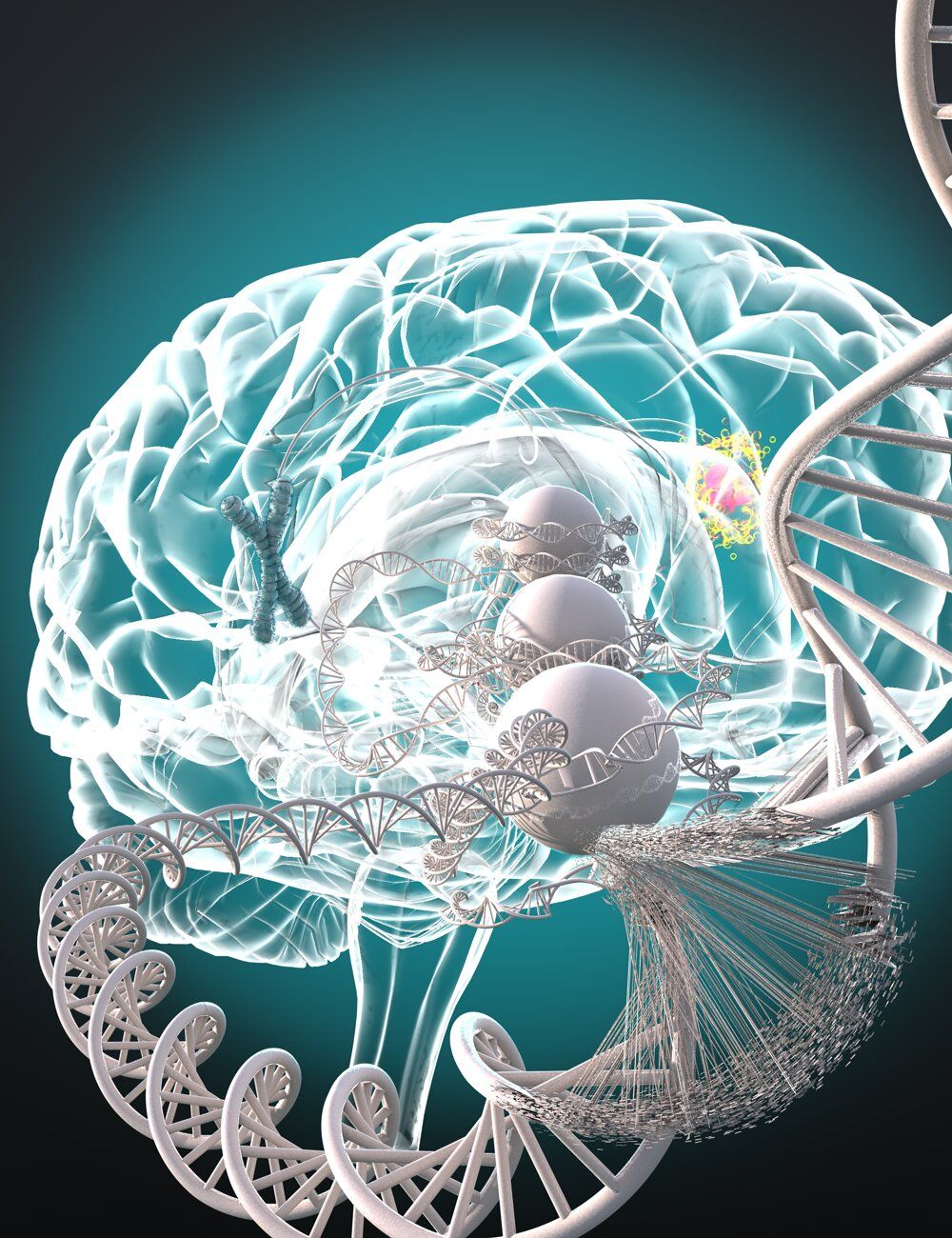
New research findings could be key to improving outcomes for some brain cancers
Researchers from the University of Michigan Rogel Cancer Center have found that a genetic mutation seen in about half of all brain tumors produces a response that prevents radiation treatment from working. Altering that response using FDA-approved drugs restores tumors’ sensitivity to radiation therapy, extending survival in mice.
The paper, representing more than five years of research, is published in Science Translational Medicine.
“These findings have great potential to impact medical treatment of patients with low-grade glioma, which is critically needed for this terrible disease,” says senior author Maria G. Castro, Ph.D., R. C. Schneider Collegiate Professor of Neurosurgery and a professor of cell and developmental biology at Michigan Medicine.
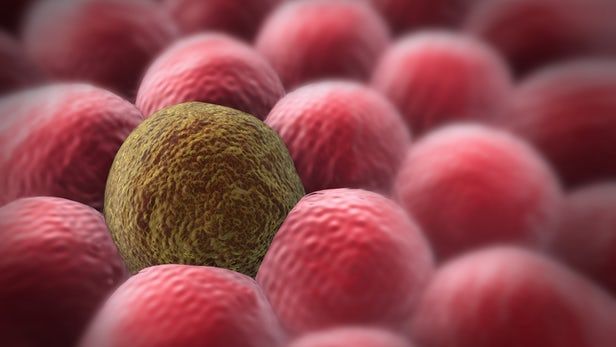
New Oxford-developed tool reads the life histories of cancer cells
Cancer is a complicated disease. Tumors are made up of many different types of cancer cells, and our current treatment techniques can’t always clear them all out. Now, a team of Oxford researchers has developed a way to track the genetic “life histories” of thousands of individual cancer cells at once, which may lead to more effective and personalized cancer treatments.

Genetically Modified Super-Charged Cassava Could Help Stamp Out Malnourishment In Africa
Over 800 million people depend on cassava as a main food staple. Also known as manioc and yuca, this root vegetable also makes up around 50 percent of the caloric intake of around one-third of people in sub-Saharan Africa.
Unfortunately, it isn’t the most nutritious of food sources. As a result, iron and zinc deficiencies are sky high in many parts of Africa. It’s estimated that up to 75 percent of preschool children and 67 percent of pregnant women in Nigeria are anemic as a result of iron deficiency.
However, researchers have now developed super-charged cassavas using genetic engineering to enrich the plant with significantly higher levels of both iron and zinc.
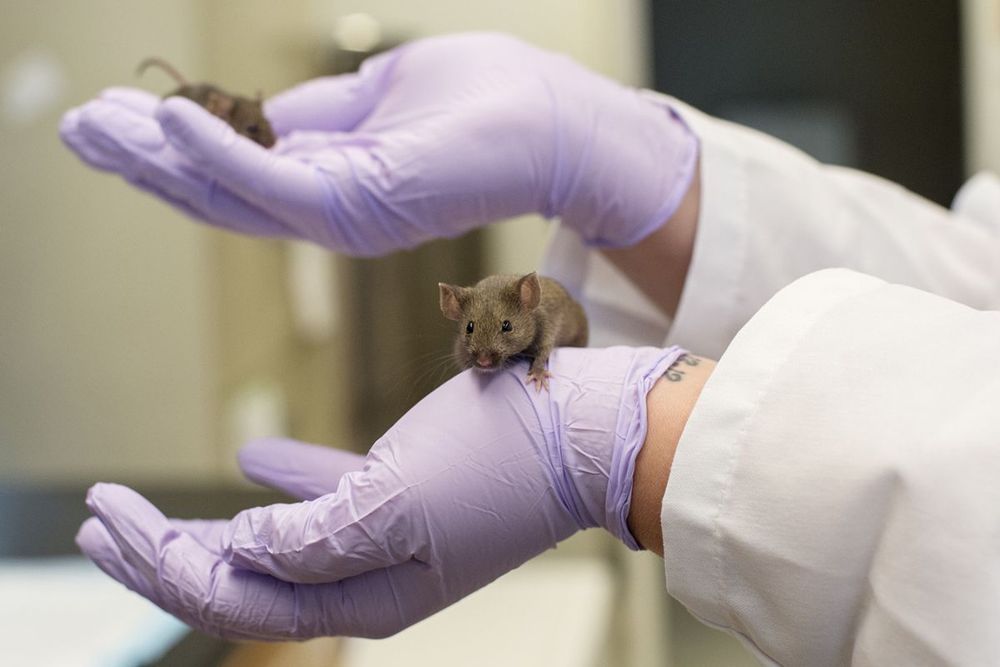
A ‘Fountain Of Youth’ Pill? Sure, If You’re A Mouse
Renowned Harvard University geneticist David Sinclair recently made a startling assertion: Scientific data shows he has knocked more than two decades off his biological age.
The race for the cure to aging sparks hope and hype among top scientists — plus billions of dollars in investment.

The biological basis of mental illness
Psychiatry as a field, meanwhile, quivers with theoretical uncertainty. It has not become a sub-speciality of neurology, as one might have expected if mental illness mapped directly to neural behaviour. And common genetic variations with large effects on mental disorders are elusive. The various incarnations of the American Psychiatric Association’s Diagnostic and Statistical Manual of Mental Disorders (DSM) have enabled diagnostic consistency and the objectification of mental illnesses. But the DSM has resulted in overlapping diagnoses, and contrived symptom-cluster checklists. At times, it impinges on the territory of healthy mental function. Allen Frances, chair of the task force that wrote the manual’s fourth edition in 1994, revolted against out-of-control mental diagnosis in his 2013 book DSM: Saving Normal.
Adrian Woolfson weighs up a study on the role of evolution in conditions such as depression and anxiety.

Nested CRISPR enables efficient genome editing using long DNA fragments
CRISPR is a technique that is revolutionizing biomedical research through high-precision genome editing. However, even though it allows the creation or correction of mutations consisting of a single or few nucleotides with relative ease, it still possesses limitations for larger fragments of DNA in the genome. For instance, the genomic insertion of a gene that produces a fluorescent protein such as the widely-used GFP suffers from poor efficiency and involves complicated cloning steps.

‘Assassin’s Creed’ is a Time Traveling Twist on the Mystery of Epigenetic Memory
The trauma of your ancestors may be carried in your gene’s memories.