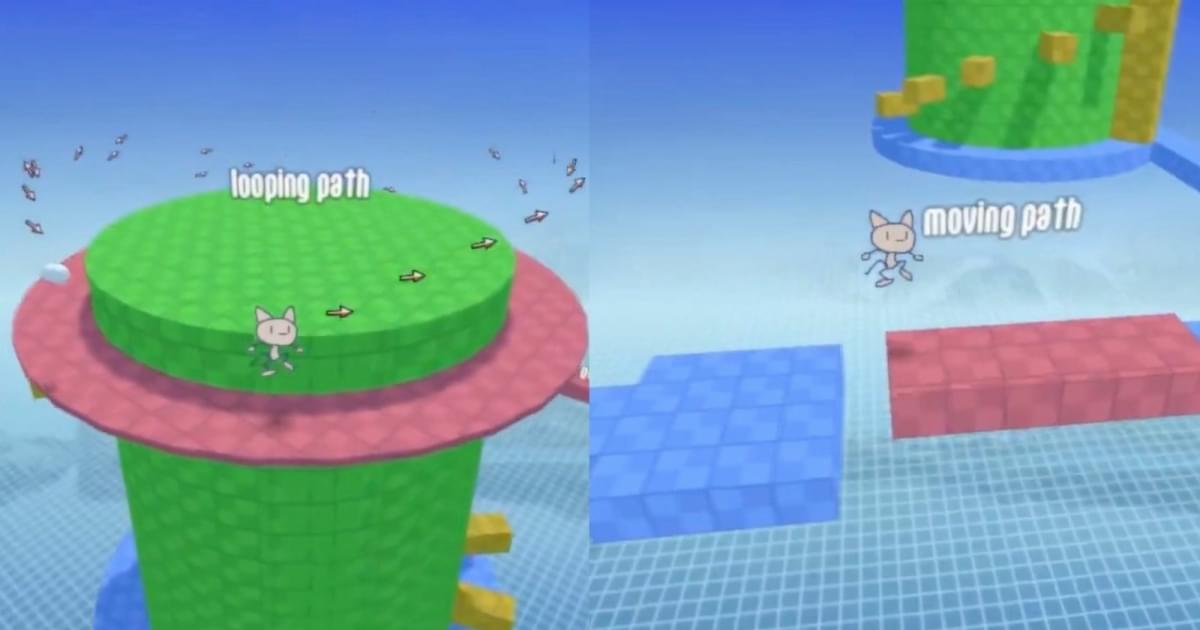
A method for lifting low-level world models to higher-level action spaces using waypoints, enabling efficient search-based planning for human-like embodiments.
OptiDraw is what every artist needs.

Locarno, Nava, Barsotti et al. define a fronto-coerulear anatomical-functional loop under endocannabinoid (eCB) negative feedback that regulates contextual discrimination. Prefrontal cortex (PFC) inputs drive locus coeruleus (LC) norepinephrine (NE) release to enhance cortical firing, while locally mobilized eCBs weaken PFC to LC synapses, constraining NE-dependent entrainment of PFC neuronal assemblies.

It turns out that your body is much more truthful about what is and isn’t fair than you might imagine. The rate at which we make physical movements is able to reveal whether our motives are self-interested or retaliatory.
Imagine you’re offered a split of money in an Ultimatum Game: accept a generous share or reject an insultingly low one. Your facial expression might show disgust—but what about your hand?
In new research published in The Royal Society Open Science, scientists report that the speed and vigor of our gestures reveal what we truly care about. In typical choices, people move faster toward bigger rewards; movement vigor usually tracks subjective value. But life’s deals aren’t all about personal gain—notions of fairness and punishment often enter play. Can the way we physically reach for a choice uncover these hidden social motives?
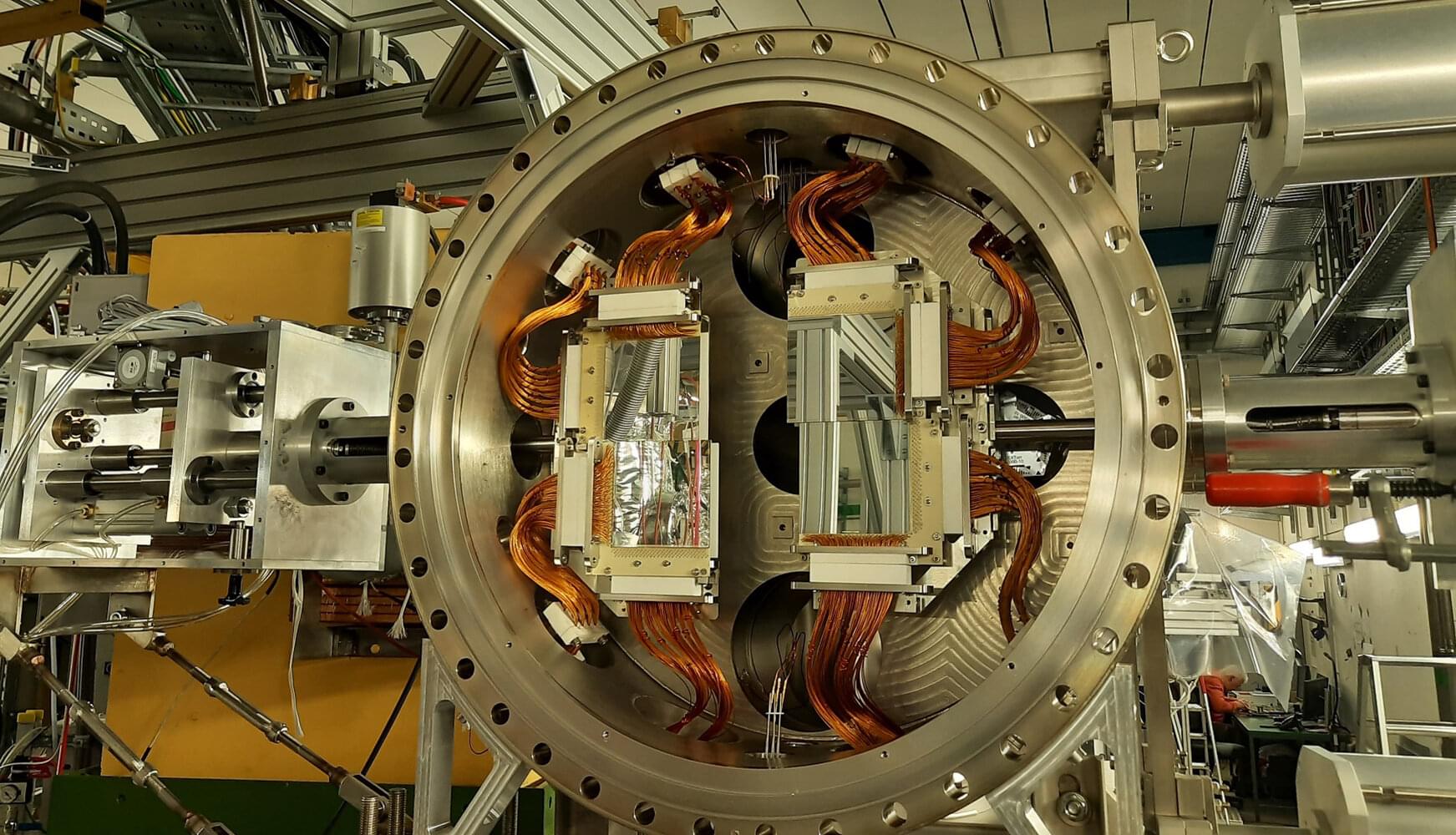
An international research team has achieved an important milestone for astrophysics at GSI/FAIR in Darmstadt: In the CRYRING@ESR storage ring, scientists were able to measure nuclear reactions at extremely low energies for the first time, mirroring the conditions inside stars. This novel experimental approach lays the foundation for decoding the formation of elements in the universe with even greater precision in the future.
In the extreme environments of stars, nuclear processes often occur at very low energies. These so-called “sub-MeV energies” (below 1 megaelectron volt) are difficult to replicate in the laboratory because the probability of atomic nuclei interacting at such low speeds is exceptionally small.
In the FAIR storage ring CRYRING@ESR, researchers were able to lower the energy available for the nuclear reaction in the center-of-mass frame of the two particles down to 403 kiloelectron volts. This marks a new record: It is the lowest energy at which a nuclear reaction has ever been measured in a heavy-ion storage ring. The new findings were recently published in the journal European Physical Journal A.