When stressed, this comb jelly reverts to a larval form, then matures again when favorable conditions return.

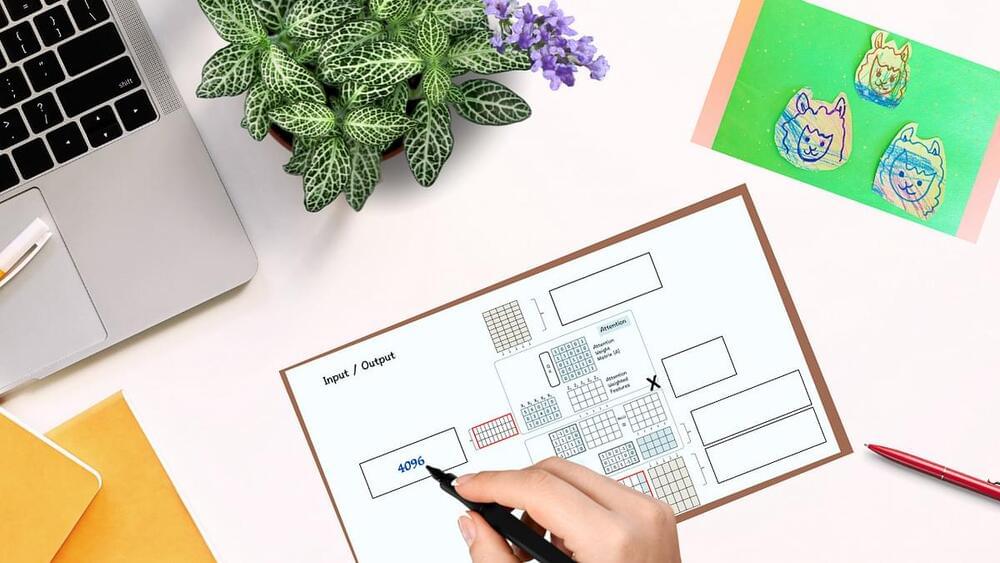

AI is shaking up industries — and software engineering is no exception.
In a leaked recording of a June fireside chat obtained by Business Insider, Amazon Web Services CEO Matt Garman reportedly told employees that AI is changing what being a software engineer means —and essentially changes the job description.
“If you go forward 24 months from now, or some amount of time — I can’t exactly predict where it is — it’s possible that most developers are not coding,” Garman said, adding later that the developer role would look different next year compared to 2020.

Research that began with a patient-driven discovery in the lab of YSM’s Carrie Lucas, PhD, could help in fighting autoimmune diseases.
Writing in Nature Immunology, Lucas and colleagues identify a signaling molecule found in immune cells that could be a target for future treatments.
A medical mystery served as the genesis for a Yale-led study that has promising implications for treating a range of autoimmune diseases.
A young girl entered the clinic suffering from blood cell abnormalities, difficulty breathing, and later, diarrhea. She also had been diagnosed with recurrent infections due to low levels of antibody production. Her doctors treated her with corticosteroids to reduce her lung and gut inflammation and immunoglobulin replacement therapy to restore her antibody levels.
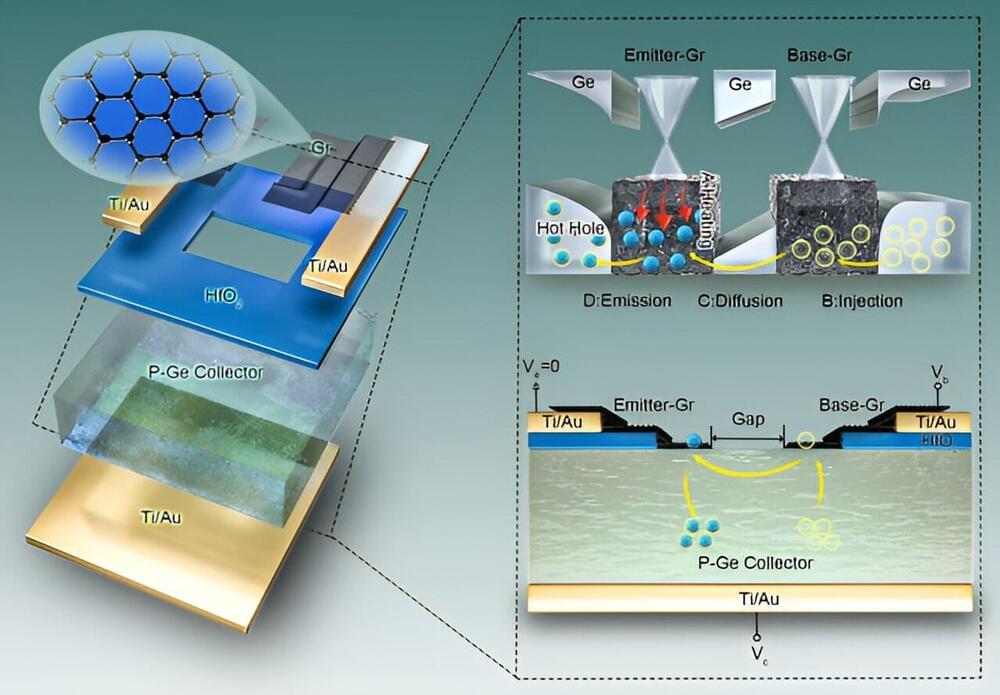
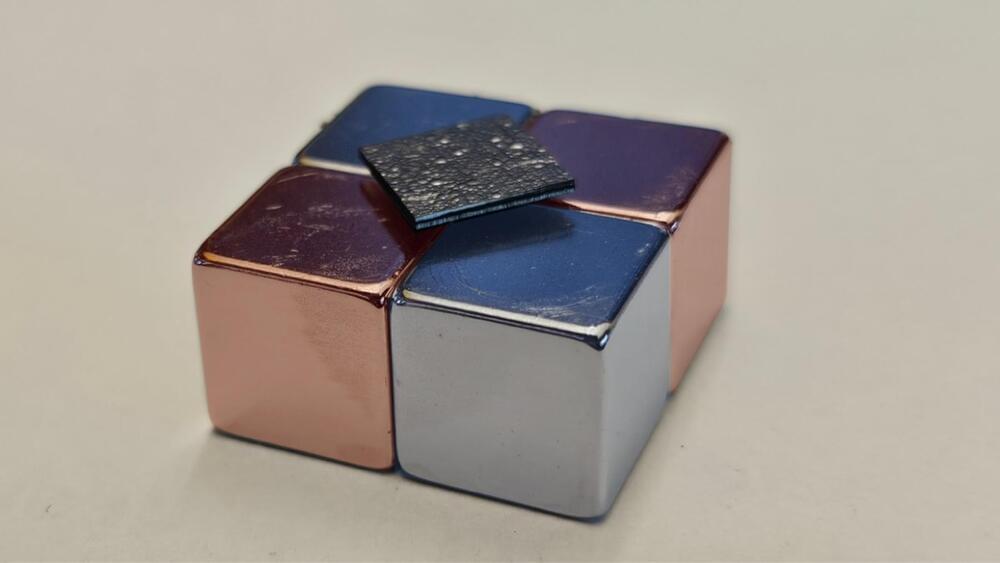
Transistors, the building blocks of integrated circuits, face growing challenges as their size decreases. Developing transistors that use novel operating principles has become crucial to enhancing circuit performance.
Hot carrier transistors, which utilize the excess kinetic energy of carriers, have the potential to improve the speed and functionality of transistors. However, their performance has been limited by how hot carriers have traditionally been generated.
A team of researchers led by Prof. Liu Chi, Prof. Sun Dongming, and Prof. CHeng Huiming from the Institute of Metal Research (IMR) of the Chinese Academy of Sciences has proposed a novel hot carrier generation mechanism called stimulated emission of heated carriers (SEHC).

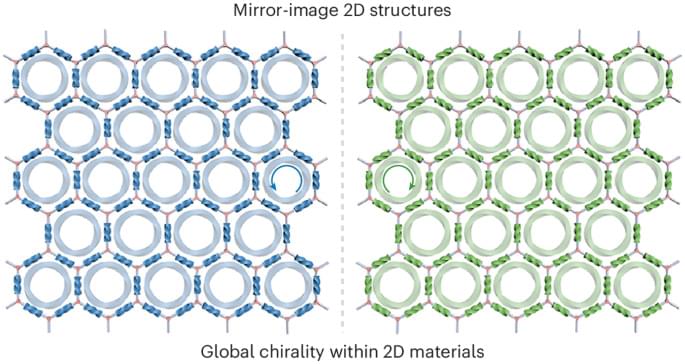
Chirality in extended 2D structures exhibits fundamental differences from molecular-level chirality. This Perspective discusses how local molecular chirality is transmitted and amplified to form distinctive global chirality within ultrathin, single-crystalline 2D materials; it also explores the future challenges and potential of this field.