Toggle light / dark theme

Blocking apoptosis promotes survival and alters developmental dynamics of human retinal ganglion cells in retinal organoids

Zhang et al. found that two waves of apoptosis occur in developing human retinas and retinal organoids, affecting RPCs and RGCs, respectively. Retinal organoids undergo an additional wave of necrosis in the core, further eliminating RGCs. Blocking apoptosis in organoids promotes RGC long-term survival and delays their neurogenesis and maturation.

LLMs help robots understand vague instructions and focus on key details

Imagine working at a warehouse or office sometime in the near future, and you’re asked to help a new trainee learn the basics of their job. The catch: It’s a robot. To teach them, you might want to play a game of “show and tell”—that is, physically showing how to do something a few different ways, while also explaining what you’re doing.

Let’s say you asked the robot to place some coffee on your desk without disturbing you during a Zoom call. You’ll prefer that the robot doesn’t get close to you and the laptop so that it doesn’t interrupt your meeting. To enable this behavior, the robot should be trained with data that clearly demonstrates the full task. Computer scientists have attempted to explain manipulation tasks to robots by recording lots of physical demonstrations or writing extensive directions. But if you don’t have both, the machine is likely to misunderstand what it needs to do.

It’s laborious for humans to do all that showing and telling, so researchers at MIT’s Computer Science and Artificial Intelligence Laboratory (CSAIL) have automated the process of teaching a robot, while clarifying instructions automatically and using nearly five times less demonstration data.

First human SMUG1 atomic snapshots reveal how cells repair DNA

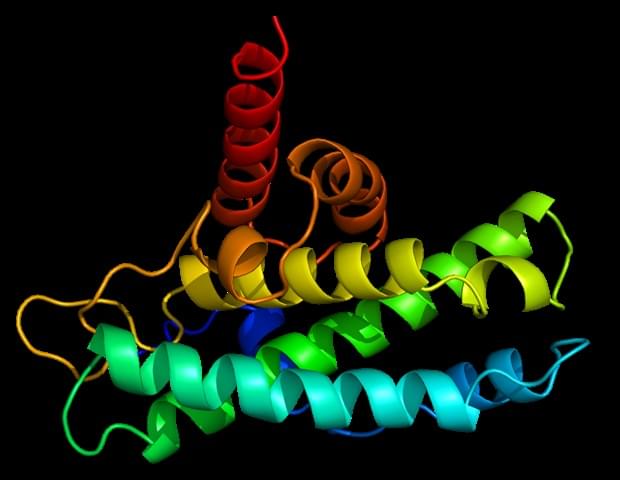
Researchers have captured the first atomic structures of human SMUG1, an enzyme that helps cells repair damaged DNA. The findings provide new insight into how cells recognize and remove harmful DNA bases, and may support future efforts to develop drugs that target this DNA repair pathway.

“These structures give us the first detailed view of how human SMUG1 engages damaged DNA and carries out the first steps of repair,” says professor Pål Stenmark, who led the study.

DNA is constantly damaged by normal processes in our cells, as well as by environmental factors and cancer treatments. If the damage is not repaired, it can lead to permanent mutations.

/* */