Toggle light / dark theme

Nuclear fusion: WEST machine beats the world record for plasma duration

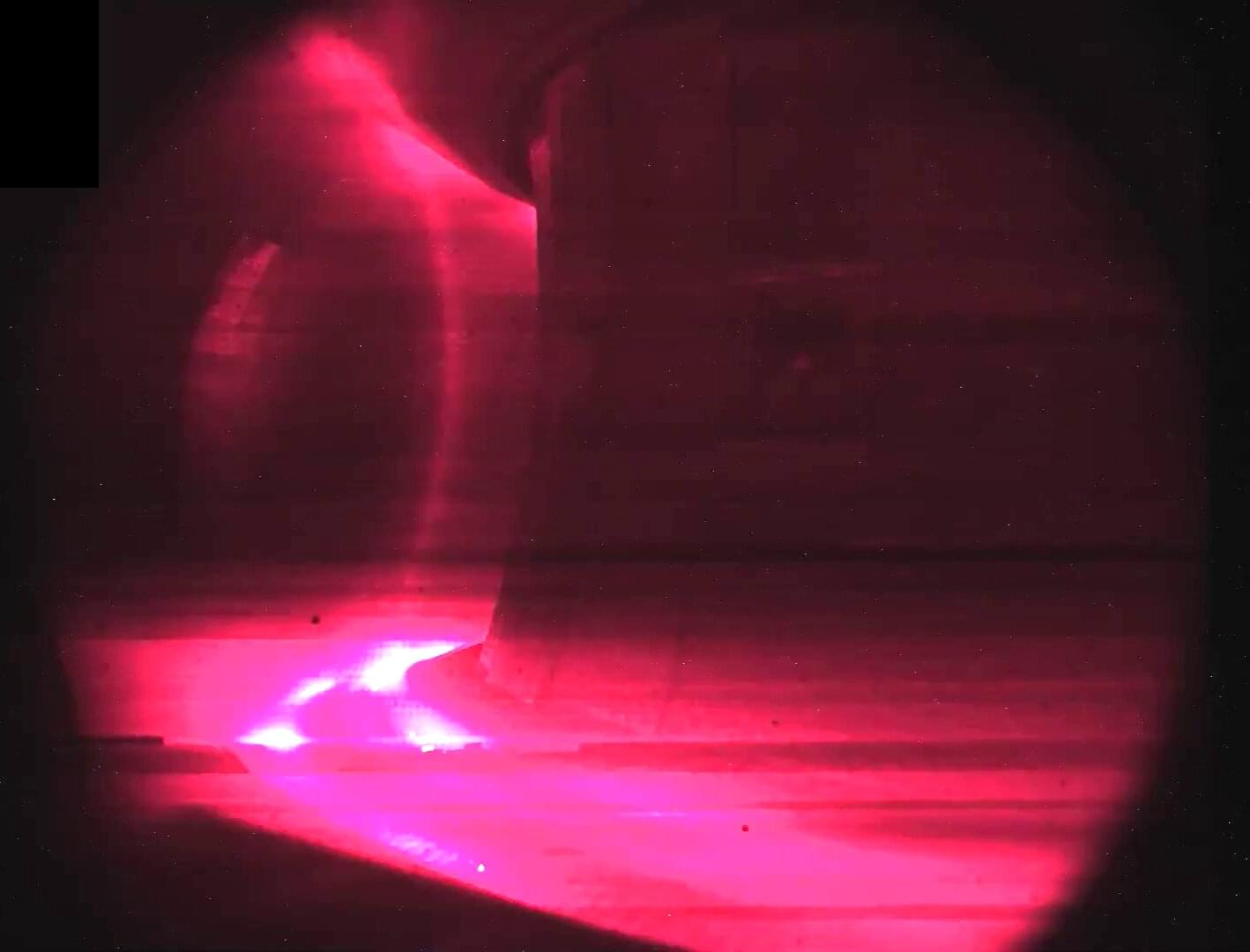
1,337 seconds: that was how long WEST, a tokamak run from the CEA Cadarache site in southern France and one of the EUROfusion consortium medium size Tokamak facilities, was able to maintain a plasma for on 12 February. This was a 25% improvement on the previous record time achieved with EAST, in China, a few weeks previously.

Reaching durations such as these is a crucial milestone for machines like ITER, which will need to maintain fusion plasmas for several minutes. The end goal is to control the plasma, which is naturally unstable, while ensuring that all plasma-facing components are able to withstand its radiation without malfunctioning or polluting it.

This is what CEA researchers intend to achieve and what explains the current record. Over the coming months, the WEST team will double down on its efforts to achieve very long plasma durations—up to several hours combined—but also to heat the plasma to even higher temperatures with a view to approaching the conditions expected in fusion plasmas.

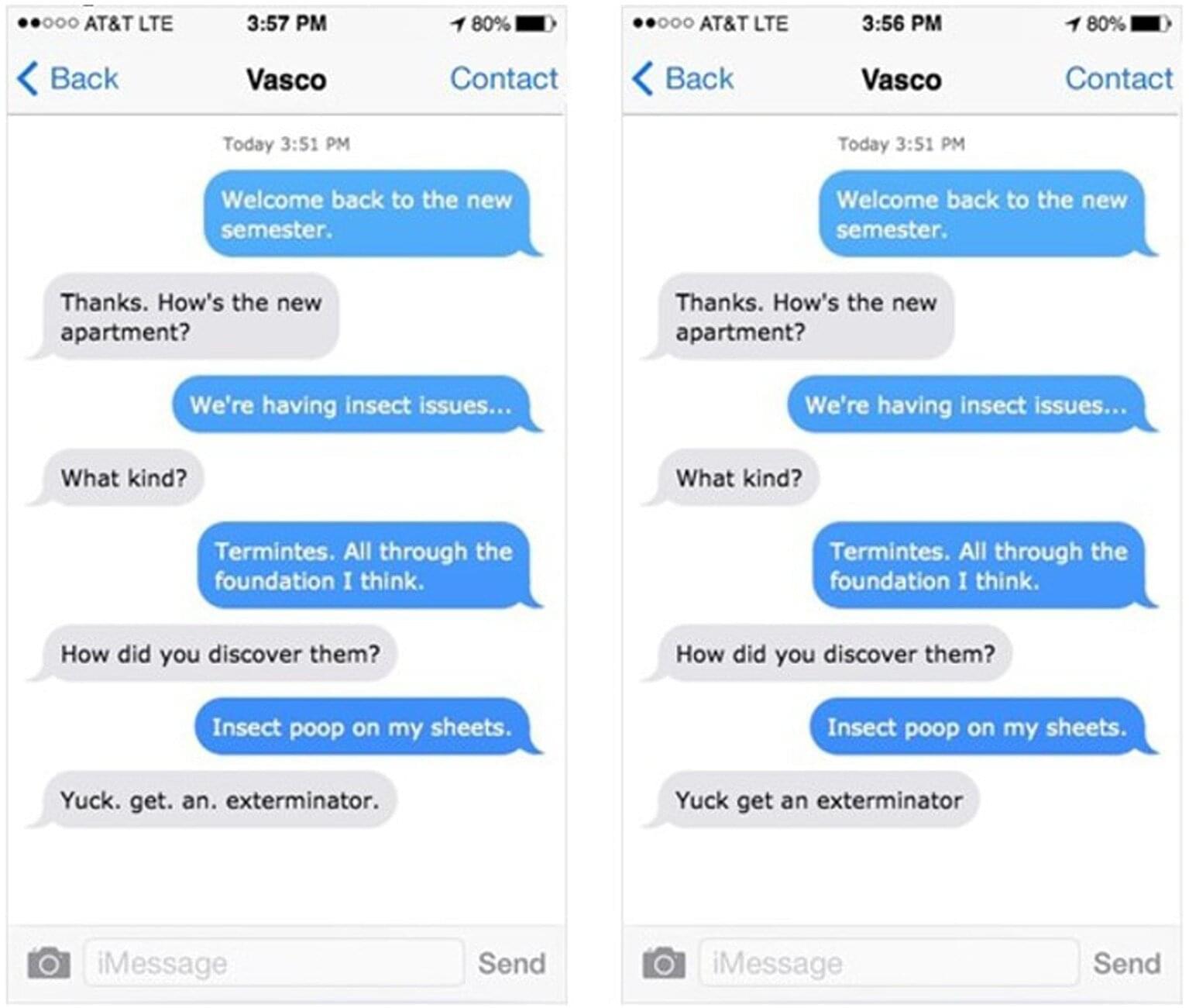
Study finds adding extra periods to your texts makes them… Seem. More. Intense

What would you think if you received this text message?

“Buy some milk”

Pretty straightforward. Nothing to bat an eye at. But what if the text read like this?

“Buy. Some. Milk.”

A little more intense, right? Does the texter need the milk immediately? Are they frustrated? According to new research from Binghamton University, State University of New York, textisms like these—such as adding a period after each word or putting each word in its own text bubble—can convey emotion and intensity.

Archaeologists discover oldest evidence of stone blade production on the Arabian Peninsula

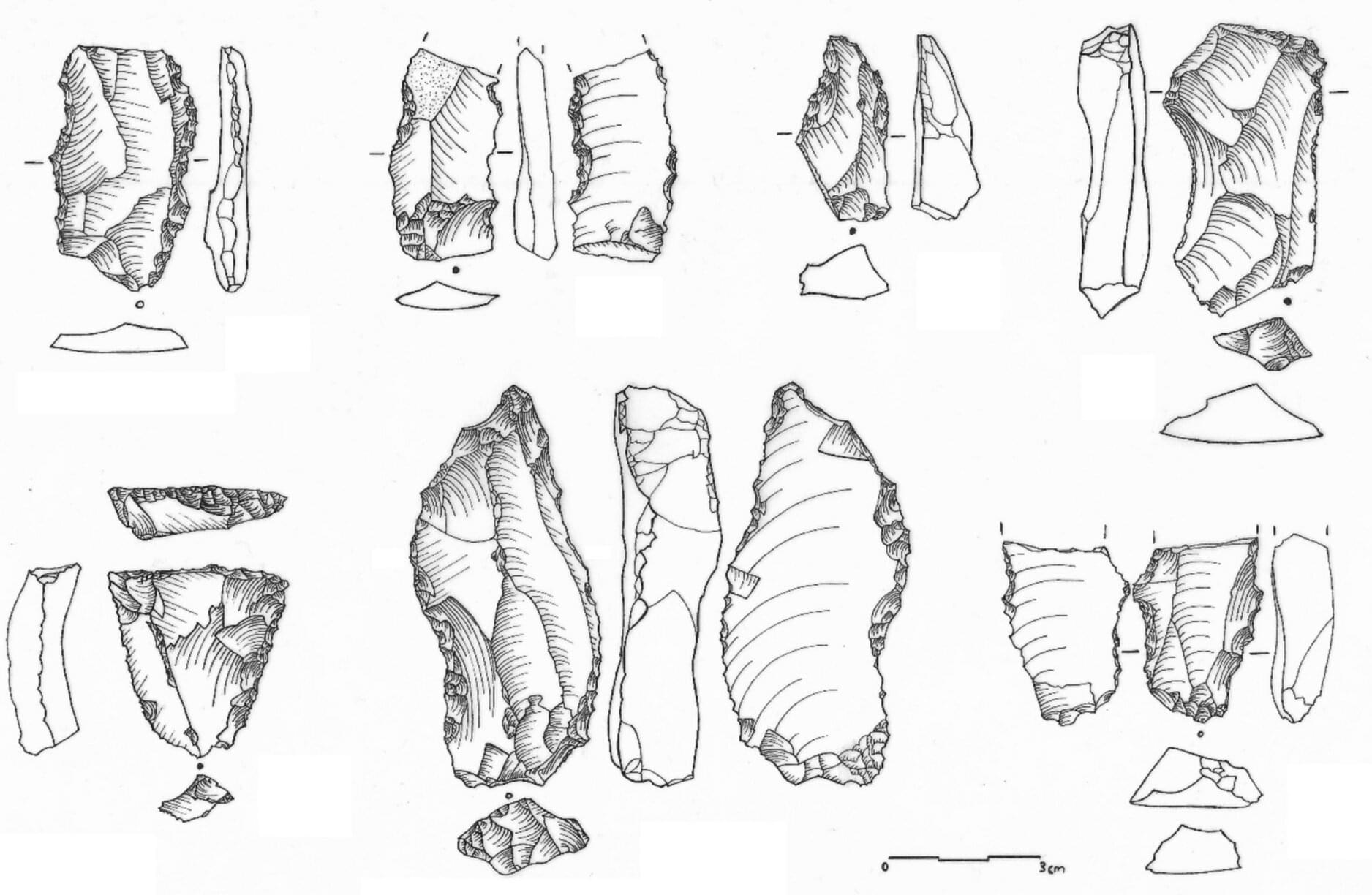
An international team of archaeologists, ethnologists and historians has uncovered the oldest-known evidence of stone blade production (made systematically) on the Arabian Peninsula. In their paper published in the journal Archaeological and Anthropological Sciences, the group describes the dig location in Jebel Faya, an archaeological site that has been under study for several years, located near the town of Al Madam in the United Arab Emirates (UAE), and the relic they found.

Prior research has shown that humans have been living in the region on and off for more than 200,000 years. Previous digs have revealed the use of stone tools and some evidence of assemblages through the Bronze, Neolithic, and Paleolithic ages.

In this new study, the researchers found what they describe as a stone assemblage dating back approximately 80,000 years. It is characterized by long flakes with parallel edges, which could only have been fashioned by Homo sapiens. The design of the blade suggests that it was made as part of a systematic production effort, marking the earliest evidence of such production on the Arabian Peninsula.

Earthquakes today: 3 earthquakes hit Texas, New Mexico border on Tuesday

Several earthquakes rocked near the Texas-New Mexico border on Tuesday morning, the latest in a slew of quakes to hit the region.

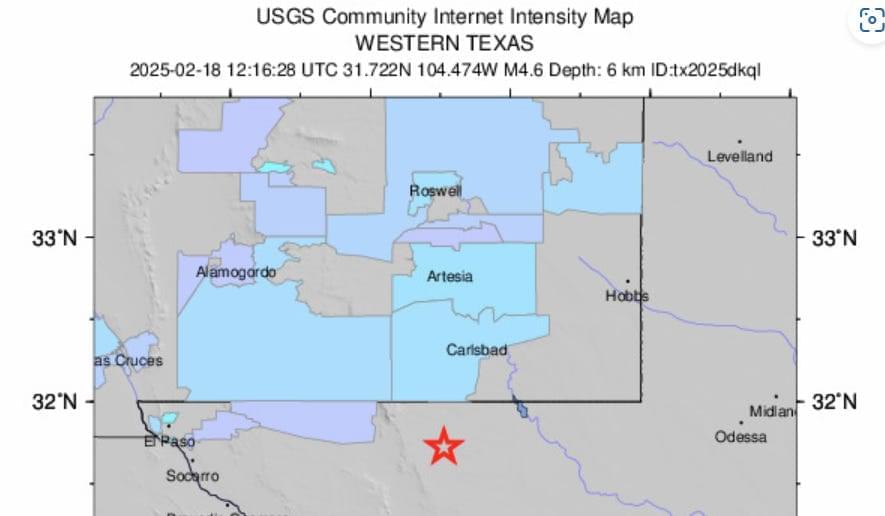
A 4.6 magnitude earthquake happened at 5:18 a.m. MT, about 36 miles south of Whites City, New Mexico, according to the United States Geological Survey, while another 3.4 magnitude earthquake shook nearby about three hours earlier.

Another smaller earthquake — this one a 2.5 magnitude — hit the same area about 2:40 a.m. MT.

New study finds meteoric iron in early Iron Age artifacts in Poland

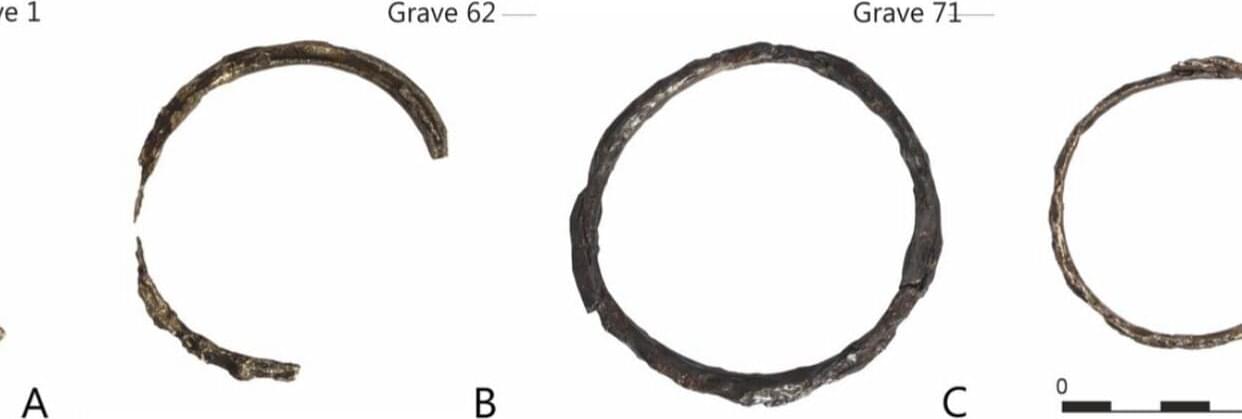
A recent study by Dr. Albert Jambon and his colleagues, published in the Journal of Archaeological Science: Reports, revealed the presence of meteoric iron in Early Iron Age ornaments in Poland.

According to Dr. Jambon, the study was prompted by the desire to know the origin of smelting. “The point of my research is to find out who, when, and where the iron smelting was discovered. To that end, we need to analyze archaeological irons and check whether they are meteoritic or smelted.”

To do this, two Early Iron Age cemeteries and their iron artifacts, Częstochowa-Raków and Częstochowa-Mirów, both located in southern Poland, were analyzed.

/* */