
Going deeper and deeper into cells with the microscope; imaging the nucleus and other structures more and more accurately; getting the most detailed views of cellular multi-protein complexes: All of these are goals pursued by the microscopy expert Markus Sauer at the Biocenter of Julius-Maximilians-Universität Würzburg (JMU) in Bavaria, Germany. Together with researchers from Geneva and Lausanne in Switzerland, he has now shown that a hitherto uncertain method of super-resolution microscopy is reliable.
Category: futurism – Page 1,280

New species of incredible ‘living tank’ dinosaur unveiled
Even fierce tyrannosaurs would have been afraid of Zuul, a club-tailed Cretaceous beast known as the “destroyer of shins.”

China and Russia are working together to HEAT the atmosphere
A terrifying wargame experiment.
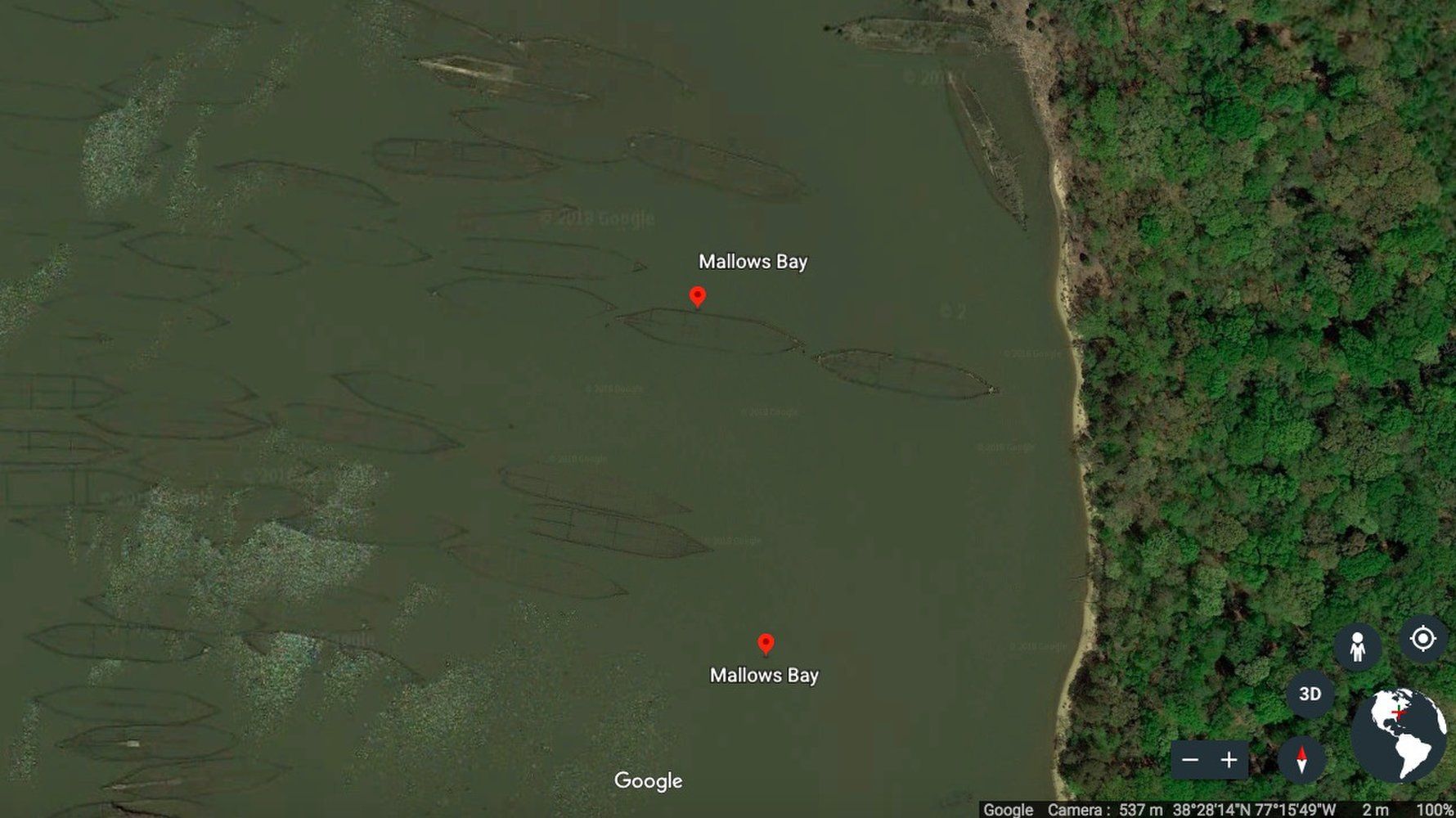
An Underwater ‘Ghost Fleet’ of Shipwrecks Is On the Move, and Here’s Why
WASHINGTON — The history of maritime vessels in the U.S. is preserved in an unlikely place — at the bottom of a river.
Nearly 200 military shipwrecks — dating as far back as the Revolutionary War and including ships from the Civil War and both World War I and World War II — were deliberately sunk over centuries, in an area of the Potomac River called Mallows Bay, in Maryland. Over time, this so-called ghost fleet of wooden ships has come to serve as habitat for local wildlife.
But is this artificial ecosystem stable? Researchers recently investigated how the shipwrecks have changed over time; their findings, presented here on Dec. 13 at the annual meeting of the American Geophysical Union (AGU), explained how the bodies of the ships weathered river conditions — in some cases for hundreds of years — and how that might affect the future of the ghost fleet ecosystem. [Mayday! 17 Mysterious Shipwrecks You Can See on Google Earth].
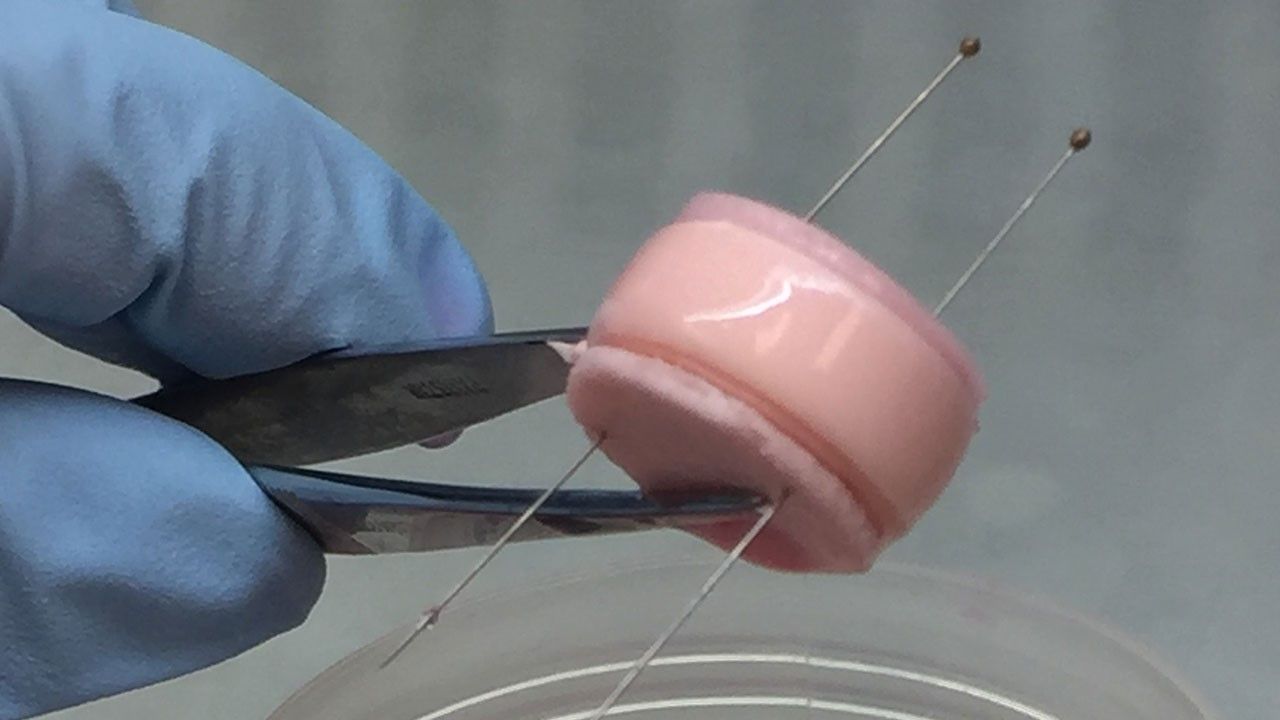
Watch these tissue-engineered spinal disks mimic the real thing
Goats and rats respond well to implants.
Snow over Antarctica 1901–2000
What caused Antarctica’s increased snowfall from 1901–2000? A warming atmosphere. But even with the extra snowfall, it’s still losing mass. Learn how we make future predictions of how ice sheets will shift: https://go.nasa.gov/2EnWVWj

Royal Statistical Society Christmas quiz: 25th anniversary edition
Solving the RSS’s fiendishly tricky festive quiz will require general knowledge, logic and lateral thinking.
How the Sun was born
The Sun is essential to all life on Earth, but where did it come from? ☀️
BBC World Service