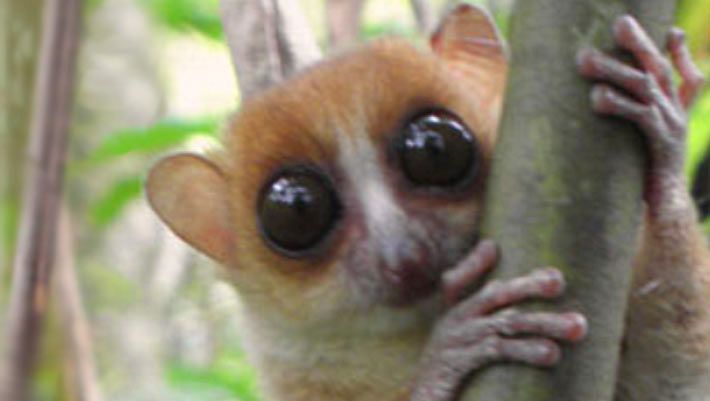
“Pets have more love and compassion in them than most humans.”–Robert Wagner.

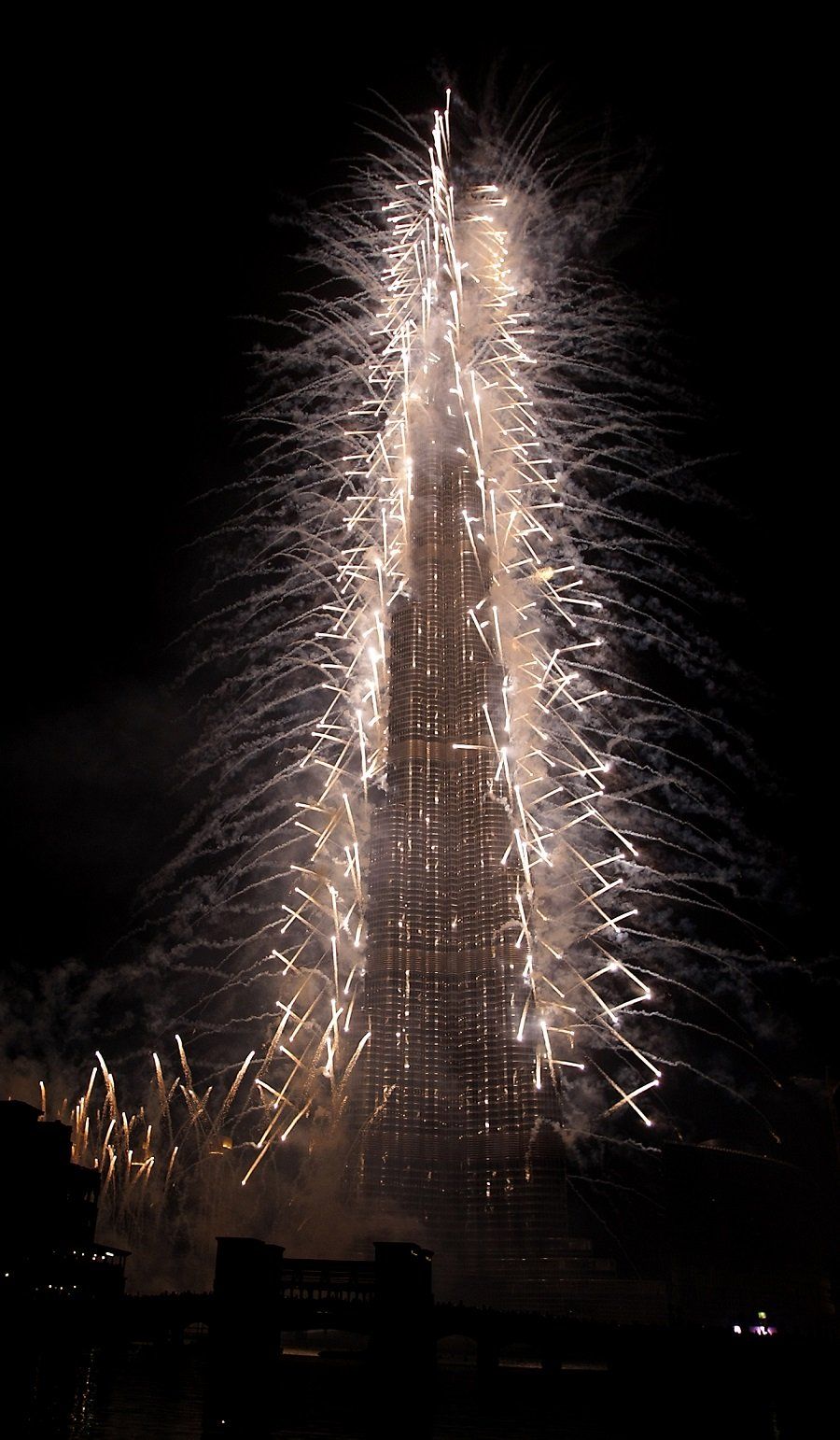
On Jan. 4, 2010, Dubai opened the world’s tallest tower, the Burj Khalifa, standing at an impressive 828 meters tall. It had been six years in the making, with the excavation works taking place in January 2004 and the external cladding of the structure completed five years later in September 2009.
Its opening ceremony was televised around the globe at a time when the world was only just beginning to show signs of recovery after the worst recession in our lifetime, making a defiant stand for prosperity. Since the Burj Khalifa was opened, there has been talk of other, even taller towers, but currently that is all it has been — talk.
DUBAI: The day the Burj Khalifa was opened, it stood as a sign of prosperity at a time when the world was on its knees, crippled by the worst recession of our lifetime. Dubai had already rung in the new year, waving a relieved farewell to a turbulent 2009, with this vast 828-meter-tall tower acting as the center of the world’s highest firework display — its roots held solid in the foundations of Dubai Mall, one of the world’s biggest.
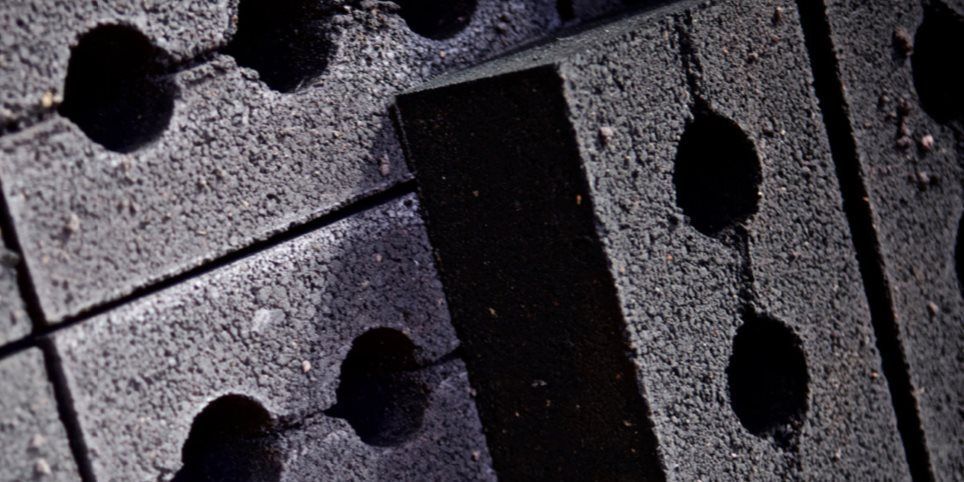
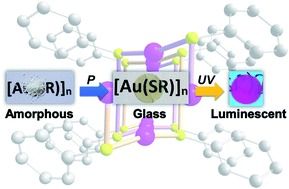
Obtaining transparent glasses made of functional coordination polymers (CPs) represents a tremendous opportunity for optical applications. In this context, the first transparent and red-emissive glasses of gold thiolate CPs have been obtained by simply applying mechanical pressure to amorphous powders of CPs.
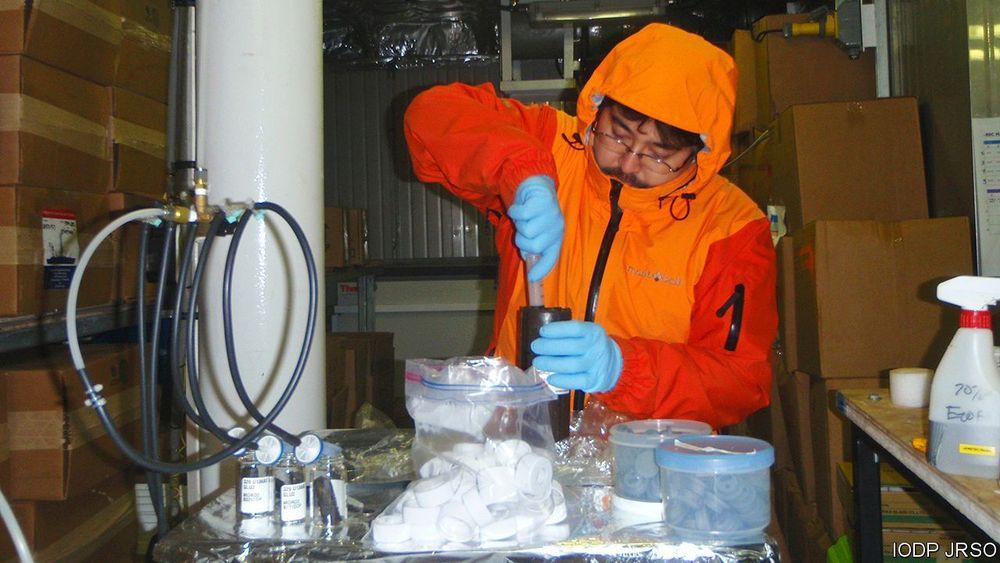
It’s Alive!
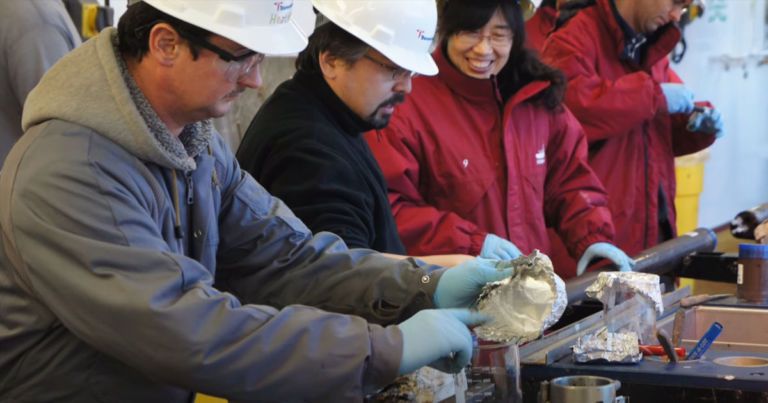
It’s technically possible that younger, more modern bacteria could have seeped down into the clay, Ars Technica reports, but the scientists think it was too densely packed to allow that.
“What we found was that life extends all the way from the seafloor to the underlying rocky basement,” University of Rhode Island oceanographer and study co-author Steven D’Hondt said in an accompanying video. “And what [lead author Yuki Morono’s] paper now shows is that those organisms are not only alive in the deepest form of sediment, but they’re capable of growing and dividing.”
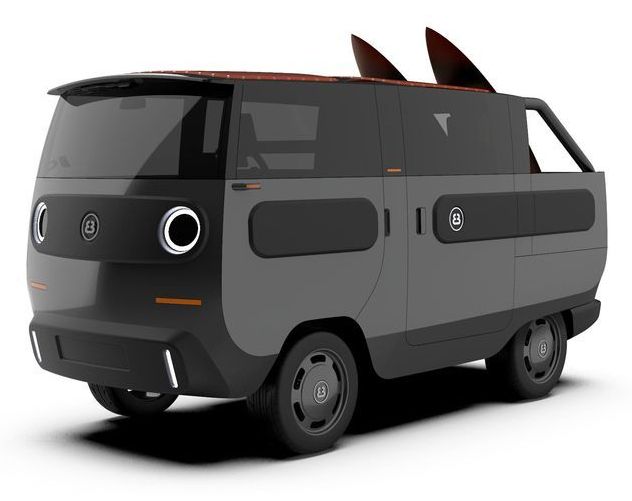
No offense to Volkswagen’s ID. Buzz, a successful design in its own right, but when we close our eyes and imagine an all-electric Volkswagen Type 2 for the 21st century, it’s the new eBussy that we see. That was true before we knew it existed, and it’s definitely true now that we’ve seen the actual design. Beyond timelessly simple styling, the new German-designed electric mini-bus also promises some of the most impressive modularity out there, switching between family van, cargo van, pickup truck, camper van, off-road adventure van and other configurations. And so far, it looks to be surprisingly affordable.
Volkswagen has given its own electric van concepts more of a futuristic identity, but Münster-based ElectricBrands keeps things more traditional. Its eBussy design looks very much like a T1/T2 Transporter, reinterpreted for modern times. It has the flat face, bright, round headlamps, softened-box body and partially covered rear wheels. Every time we stare it in the eyes, we see “T2 of the digital age” staring back at us.
Like those early VW Type 2’s, the eBussy isn’t a vehicle so much as the platform for an entire family of vehicles, ranging from flatbed and tipper trucks to delivery, family and camper vans. That modularity isn’t just a handy available feature, it’s THE feature that the eBussy design was based around, the idea being that owners can easily swap out individual modules to make one vehicle into any and every vehicle for all their passenger and cargo-hauling needs. ElectricBrands promises Lego-like simplicity in plugging and playing.