Toggle light / dark theme

Students Revolutionize Army Vehicle Camouflage With Ingenious Invention

University of Florida senior engineering students, collaborating with peers and the U.S. Army, developed a vehicle camouflage deployment device that enhances battlefield safety and efficiency. The project, which spanned three semesters and involved input from soldiers, resulted in a device that significantly speeds up the camouflage process, uses existing materials more effectively, and adapts to various ground conditions.

University of Florida and Georgia Tech engineering students developed a vehicle camouflage system for the U.S. Army, enhancing camouflage speed and safety, and demonstrating the potential of academic-military collaboration to solve practical defense challenges.

What began as a class project for senior engineering students at the University of Florida evolved into a practical solution for soldiers, providing them with a quicker, easier, and safer method to camouflage their vehicles on the battlefield.

Researchers Create New Class of Materials called ‘Glassy Gels’

Researchers have created a new class of materials called “glassy gels” that are very hard and difficult to break despite containing more than 50% liquid. Coupled with the fact that glassy gels are simple to produce, the material holds promise for a variety of applications.

Gels and glassy polymers are classes of materials that have historically been viewed as distinct from one another. Glassy polymers are hard, stiff and often brittle. They’re used to make things like water bottles or airplane windows. Gels – such as contact lenses – contain liquid and are soft and stretchy.

“We’ve created a class of materials that we’ve termed glassy gels, which are as hard as glassy polymers, but – if you apply enough force – can stretch up to five times their original length, rather than breaking,” says Michael Dickey, corresponding author of a paper on the work and the Camille and Henry Dreyfus Professor of Chemical and Biomolecular Engineering at North Carolina State University. “What’s more, once the material has been stretched, you can get it to return to its original shape by applying heat. In addition, the surface of the glassy gels is highly adhesive, which is unusual for hard materials.”

Astronaut Joe Engle, Last Surviving X-15 Pilot, Dies at 91

Joe Engle, who had the distinction of being the only astronaut to pilot an X-15 aircraft and a space shuttle, died in Houston on Wednesday, July 10. He was 91 years old.

NASA announced the death of Engle, a retired U.S. Air Force major general. The space agency said in its news release that Engle was the last surviving X-15 pilot.

The Kansas native graduated in 1955 from the University of Kansas, Lawrence, with an aeronautical engineering degree. According to his NASA biography, he “received his commission through the Air Force ROTC program at the University of Kansas and entered USAF flying school in March 1956.”

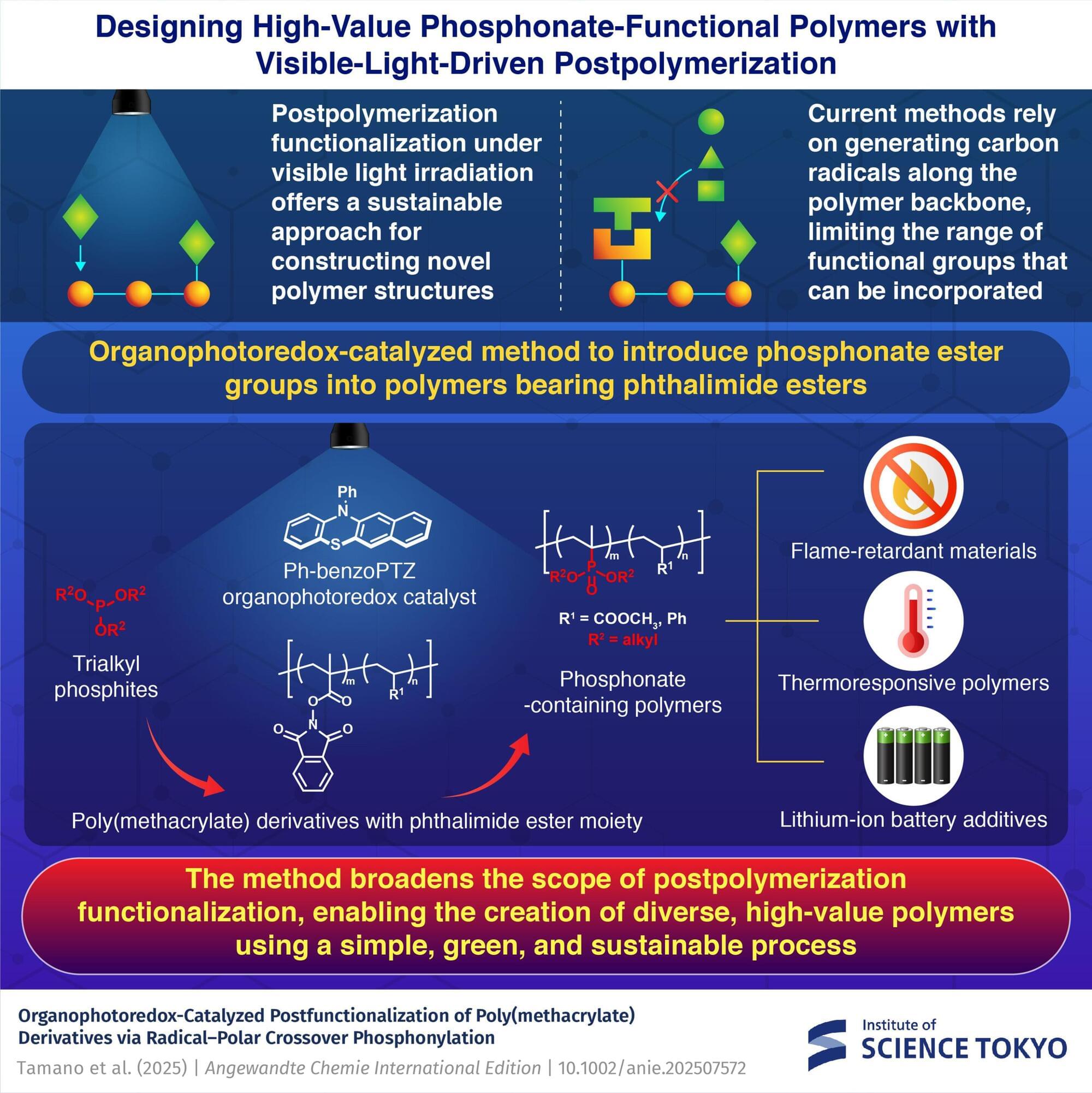
Prussian blue analogs unlock affordable, long-lasting lithium-ion batteries

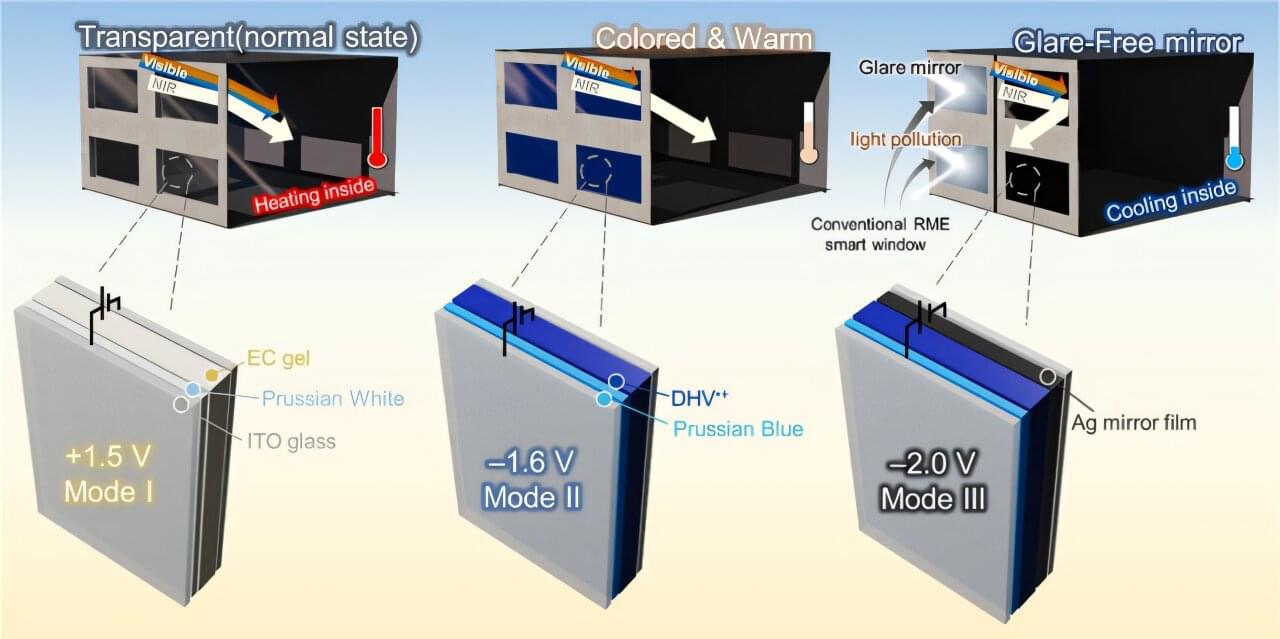
Prussian blue (PB), a well-known pigment used to dye jeans, has been recognized as an emerging material for next-generation batteries. A team of researchers, led by Professor Hyun-Wook Lee in the School of Energy and Chemical Engineering at UNIST has made a significant breakthrough in the development of low-cost, high-performance lithium-ion batteries (LIBs) using PB, leading to significantly reduced battery prices.

Engineers fabricate ultrastrong aluminum alloys for additive manufacturing

Purdue University material engineers have created a patent-pending process to develop ultrahigh-strength aluminum alloys that are suitable for additive manufacturing because of their plastic deformability.

Haiyan Wang and Xinghang Zhang lead a team that has introduced transition metals cobalt, iron, nickel and titanium into via nanoscale, laminated, deformable intermetallics. Wang is the Basil S. Turner Professor of Engineering and Zhang is a professor in Purdue’s School of Materials Engineering. Anyu Shang, a materials engineering graduate student, completes the team.

“Our work shows that the proper introduction of heterogenous microstructures and nanoscale medium-entropy intermetallics offers an alternative solution to design ultrastrong, deformable aluminum alloys via additive manufacturing,” Zhang said. “These alloys improve upon traditional ones that are either ultrastrong or highly deformable, but not both.”

Micromachines steered by microorganisms

Researchers have created tiny, vehiclelike structures which can be maneuvered by microscopic algae. The algae are caught in baskets attached to the micromachines, which have been carefully designed to allow them enough room to continue swimming. Two types of vehicles were created: the “rotator,” which spins like a wheel, and the “scooter,” which was intended to move in a forward direction but in tests moved more surprisingly.

The research has been published in Small (“Harnessing the Propulsive Force of Microalgae with Microtrap to Drive Micromachines”).

The team is planning to try different and more complex designs for their next vehicles. In the future, these mini algae teams could be applied to assist with micro-level environmental engineering and research.

New method could yield fast, cross-country quantum network

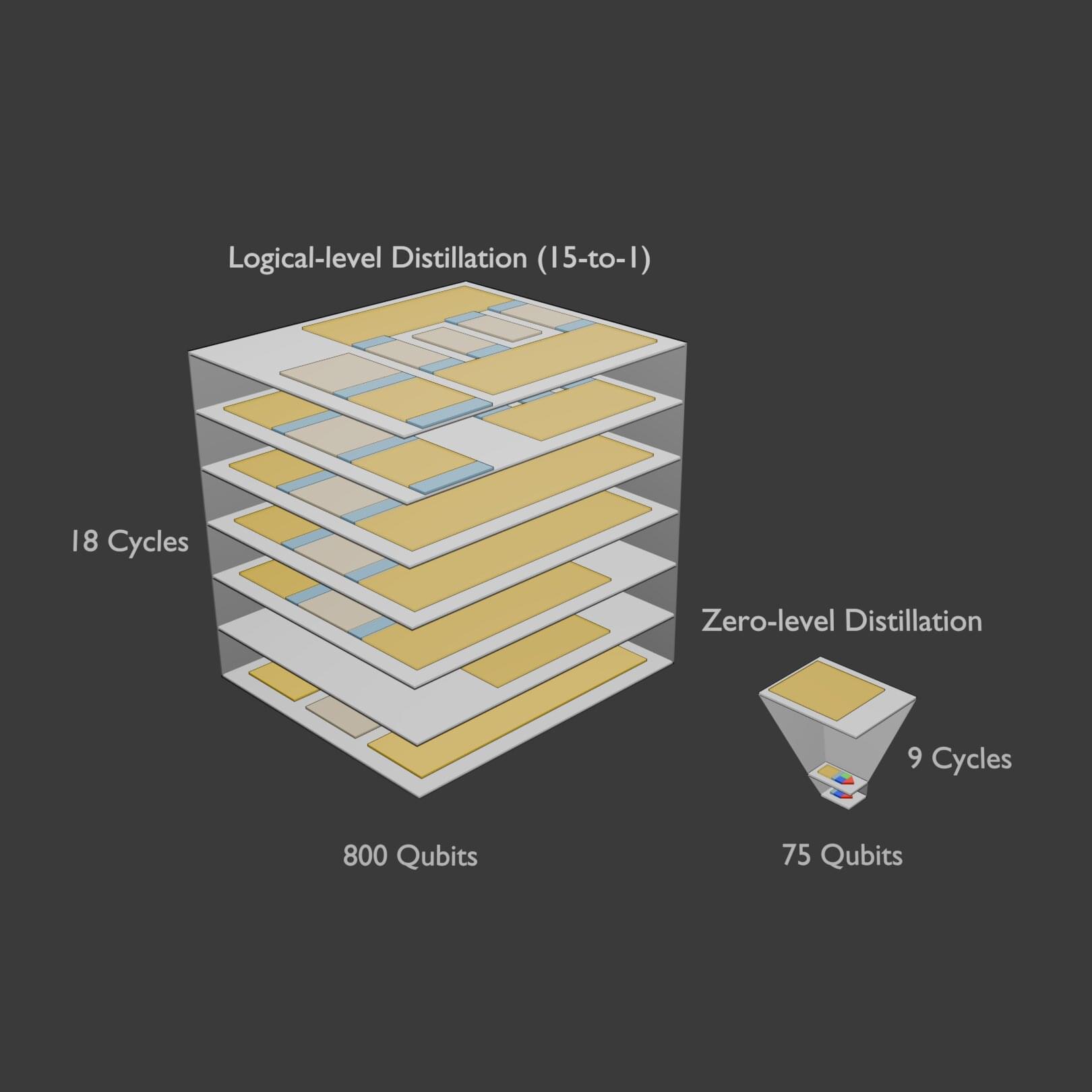
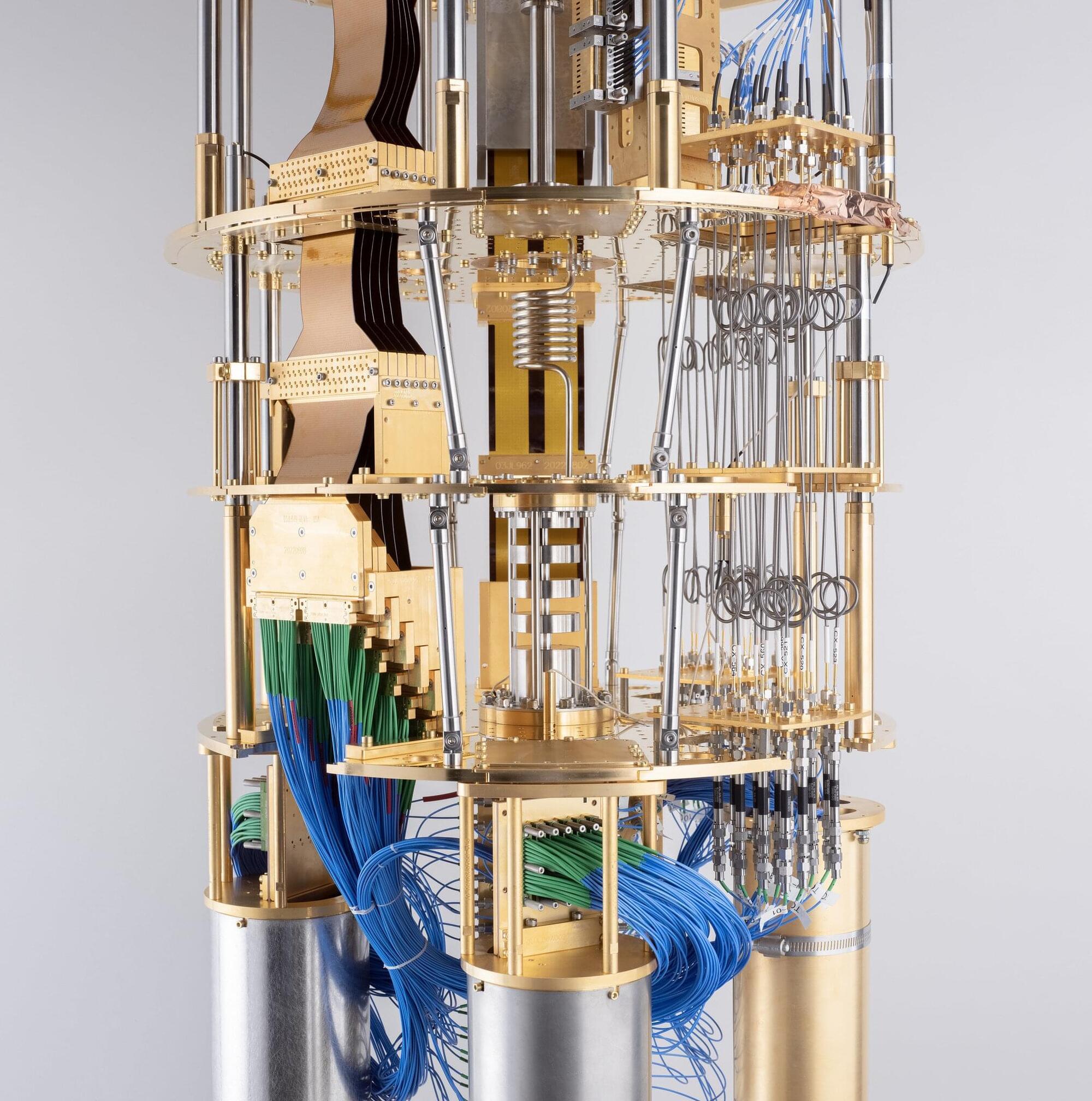
Quantum computers offer powerful ways to improve cybersecurity, communications, and data processing, among other fields. To realize these full benefits, however, multiple quantum computers must be connected to build quantum networks or a quantum internet. Scientists have struggled to come up with practical methods of building such networks, which must transmit quantum information over long distances.

Now, researchers at the University of Chicago Pritzker School of Molecular Engineering (PME) have proposed a new approach—building long quantum channels using vacuum sealed tubes with an array of spaced-out lenses. These vacuum beam guides, about 20 centimeters in diameter, would have ranges of thousands of kilometers and capacities of more than 1,013 qubits per second, better than any existing quantum communication approach. Photons of light encoding quantum data would move through the vacuum tubes and remain focused thanks to the lenses.

“We believe this kind of network is feasible and has a lot of potential,” said Liang Jiang, professor of molecular engineering and senior author of the new work. “It could not only be used for secure communication, but also for building distributed quantum computing networks, distributed quantum sensing technologies, new kinds of telescopes, and synchronized clocks.”

Thomas Hartung and colleagues | The future of organoid intelligence | Frontiers Forum Deep Dive 2023

Eexxeccellent.


Human brains outperform computers in many forms of processing and are far more energy efficient. What if we could harness their power in a new form of biological computing?

In this Frontiers Forum Deep Dive session on 21 June 2023, Professor Thomas Hartung, Dr Lena Smirnova and other renowned researchers, explored the future of organoid intelligence and the scientific, technological and ethical steps required for realizing its full potential.

The session brought together the authors of the Frontiers in Science lead article ‘Organoid intelligence (OI): the new frontier in biocomputing and intelligence-in-a-dish’ which presents a roadmap for the strategic development of organoid intelligence as a scientific discipline. It was attended by hundreds of representatives from science, policy, and business across the world.

Links:

Lake and river foams study reveals high PFAS levels, even though underlying water may be less contaminated

According to a new study of rivers and lakes in Wisconsin, natural foams from these bodies of water contain much higher concentrations of per-and polyfluoroalkyl substances (PFAS) than the water below them.

Thirty-six different kinds of PFAS compounds were analyzed in samples of both the foams and water surface microlayers of 43 Wisconsin rivers and lakes. The study, which is published in Environmental Science & Technology, also revealed that foams, generally off-white and found along shorelines, are not necessarily an indicator of elevated contamination levels in the entire water body.

“We studied many different lakes and found PFAS in all of them. The PFAS concentrations were high in the foams even if the concentrations in the water were relatively low,” said Christy Remucal, a professor with the University of Wisconsin–Madison Department of Civil and Environmental Engineering and interim director of the University of Wisconsin Aquatic Sciences Center.

/* */