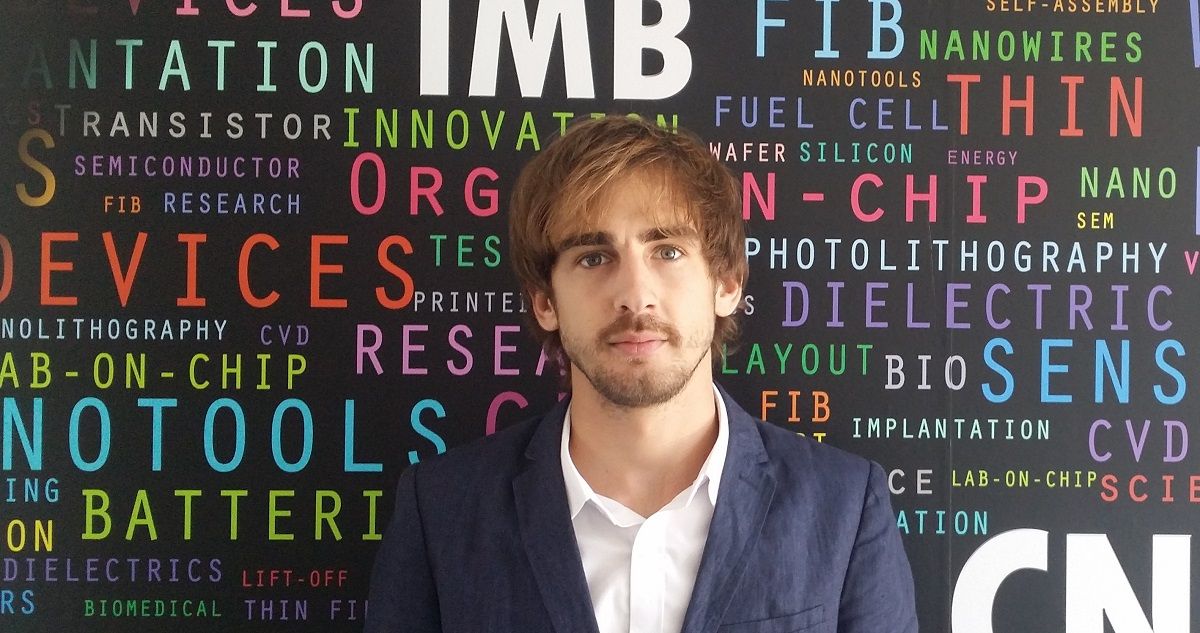
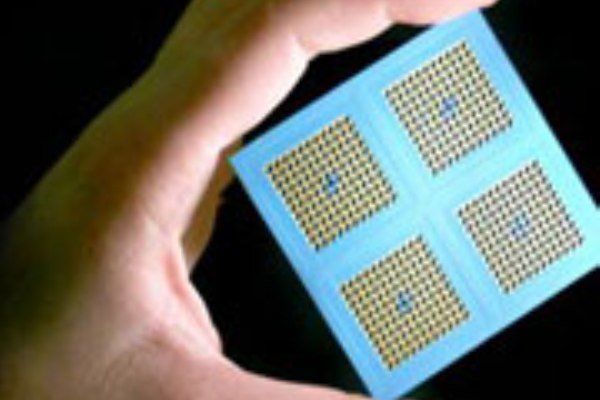
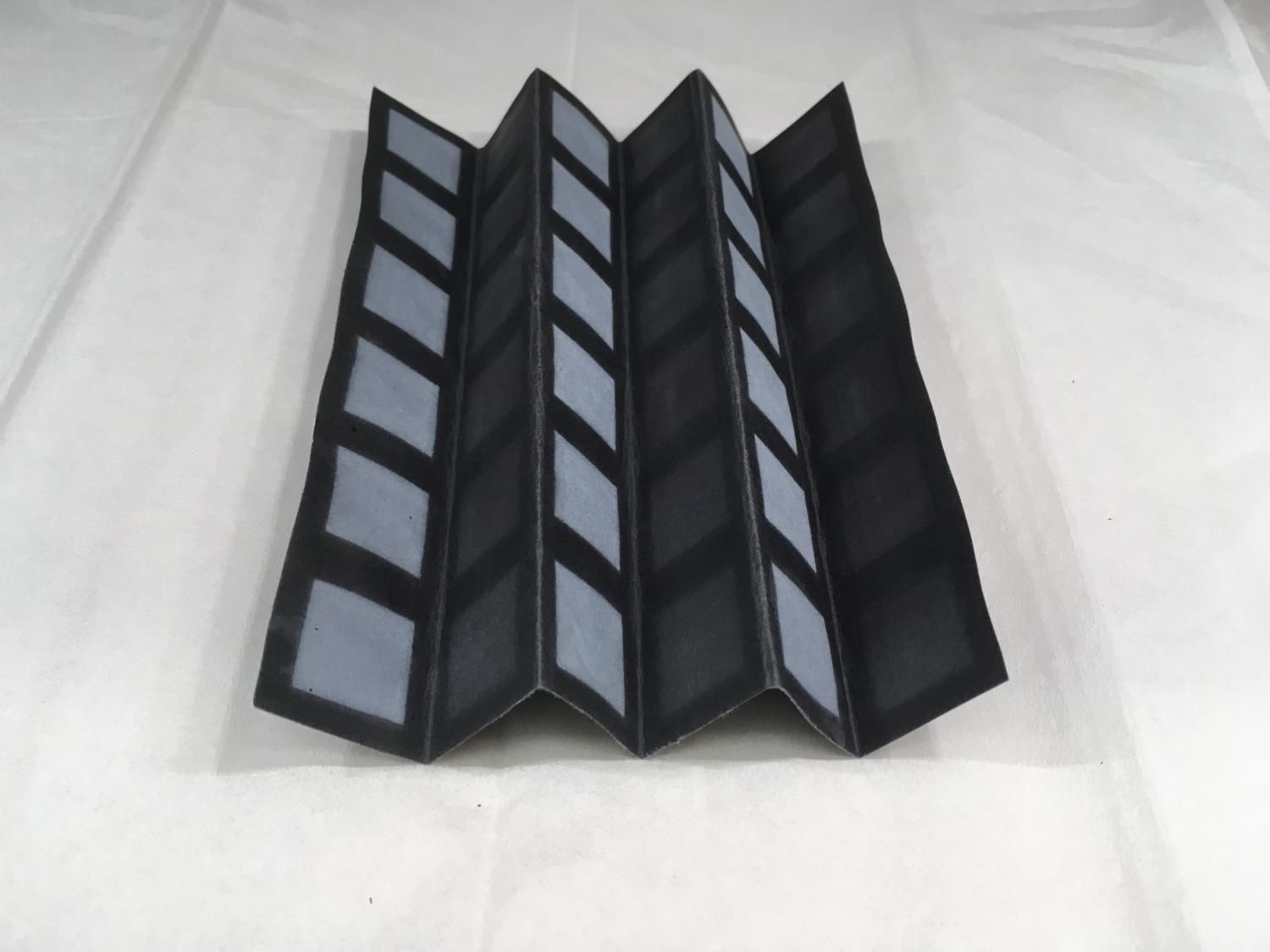
There is unlimited kinetic energy all around us and harnessing it could change the way we interact with the world forever, according to Dr Gonzalo Murillo from the National Microelectronics Center of Spain, whose research into piezoelectric materials has earned him an award for the most novel innovator under 35 in Europe 2016 from the MIT Technology Review, US.
TEHRAN, Jan. 07 (MNA) – Iranian researchers at Amirkabir University of Technology (AUT) have developed a kind of nano membrane that considerably improves the performance of direct-methanol fuel cells (DMFCs).
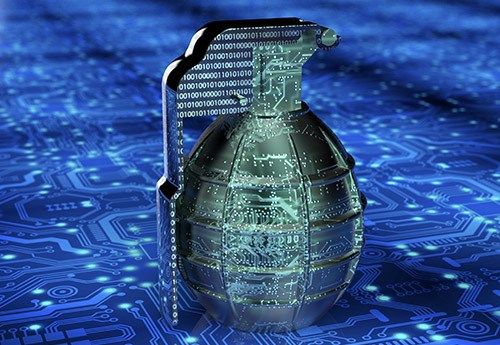
The revival of the Cold War attitudes between the U.S. and Russia are just the beginning of the an expanding scene of digital vulnerabilities and shocks to the system that could shut down the grid, cut off grocery and supply lines or leave millions without power in the cold. With global tension, the pretext could come from anywhere:
The coming era could be the age of electronic disruption, as ATMs, power grids, bank accounts, Internet servers and other important entities in society are intercepted, taken down, hacked or shut off by criminals and commandos in the ongoing cyberwar. Dissidents will be flagged and cut off from their accounts. Natural disasters will compound with these factors, testing the infrastructure and the integrity of the people themselves, who are in danger of devolving into civil unrest.
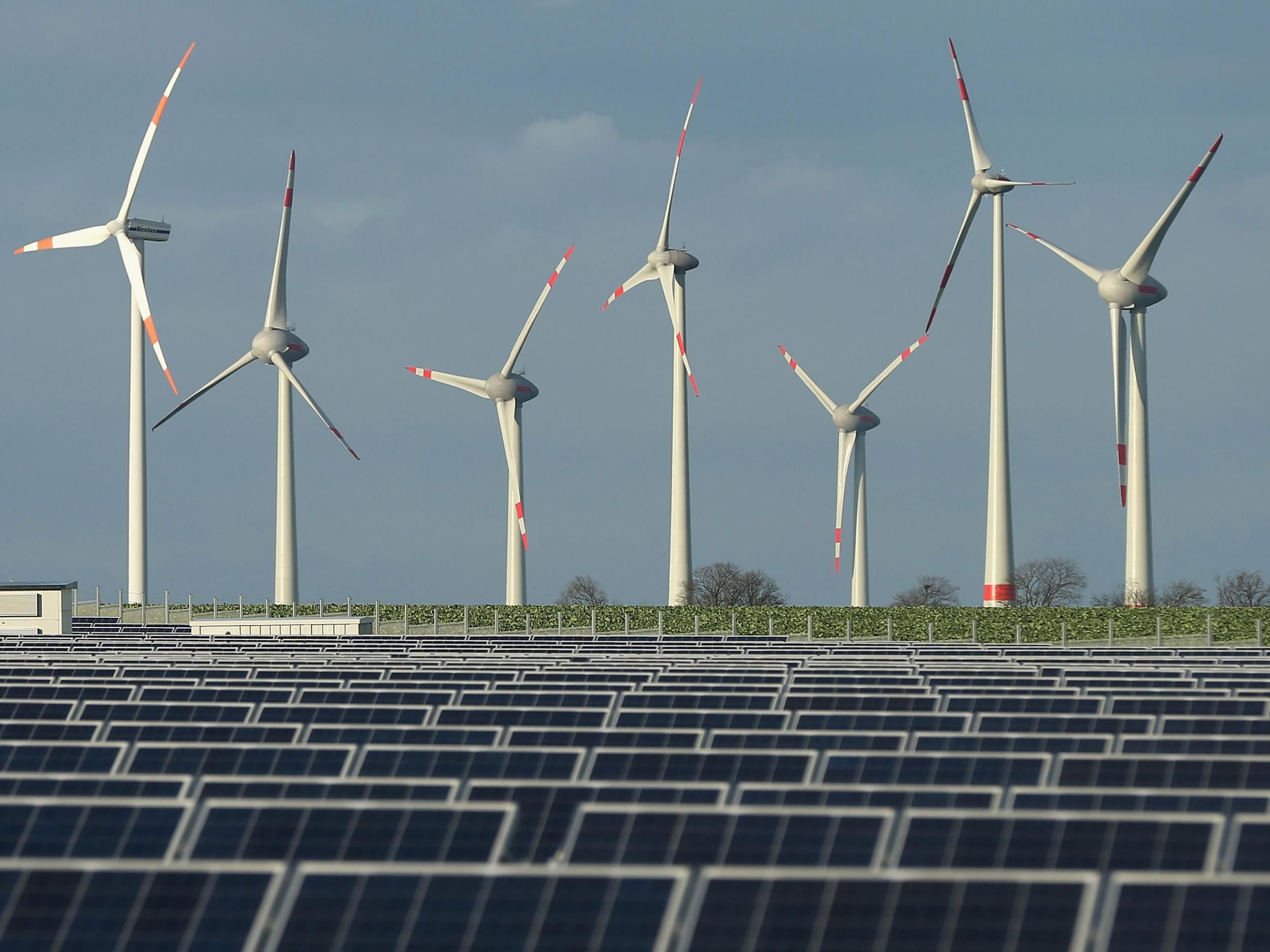
Germany had so much renewable energy last week that customers were briefly being paid to consume electricity, it has been reported.
As spotted by Quartz, who cite data from German think tank Agora Energiewende, fair weather and high winds on Sunday 8 May saw wind, solar and hydroelectric power plants producing 54.6GW of power, roughly 80 per cent of the 68.4GW of power being consumed across the country at that time.
As a result, the price of power plummeted, and went negative from 7AM to 5PM, bottoming out at -€130 per MWh at 1PM. Energy providers were essentially being paid by producers to take the electricity off their hands.
The relationship between the government and the auto industry is about to be transformed. But into what?
Eight years ago, that relationship hardly could have been more awkward. Two of the Detroit 3 were begging Congress for a lifeline. The federal government would later fire General Motors’ CEO, orchestrate a bankruptcy of GM and Chrysler and emerge as a shareholder in both — a highly un-American arrangement that would lead to a successful recovery, yes, but also lingering tensions and shame.
The relationship is different now, but it’s not necessarily better. The Obama administration shed the stake in the car companies but has wrapped its tentacles more tightly around the industry in many ways, including strict consent decrees to monitor safety and tough targets for fuel economy and greenhouse gas emissions.
Instead of ordering batteries by the pack, we might get them by the ream in the future.
Researchers at Binghamton University, State University of New York have created a bacteria-powered battery on a single sheet of paper that can power disposable electronics. The manufacturing technique reduces fabrication time and cost, and the design could revolutionize the use of bio-batteries as a power source in remote, dangerous and resource-limited areas.
“Papertronics have recently emerged as a simple and low-cost way to power disposable point-of-care diagnostic sensors,” said Assistant Professor Seokheun “Sean” Choi, who is in the Electrical and Computer Engineering Department within the Thomas J. Watson School of Engineering and Applied Science. He is also the director of the Bioelectronics and Microsystems Lab at Binghamton.
Scientists with the China Academy of Space Technology (CAST) claim NASA’s results ‘re-confirm’ what they’d already achieved, and have plans to implement it in satellites ‘as quickly as possible.’ China claims they’ve created a working prototype of the ‘impossible’ reactionless engine – and they say they’re already testing it in orbit aboard the Tiangong-2 space laboratory. The radical, fuel-free EmDrive recently stirred up controversy after a paper published by a team of NASA researchers appeared to show they’d successfully built the technology.
The implications for this could be huge. For instance, current satellites could be half the size they are today without the need to carry fuel.
At a press conference in Beijing, researchers with CAST confirmed the government has been funding research into the technology since 2010, and claimed they’ve developed a device that’s already being tested in low-Earth orbit, IBTimes UK reports. It comes just a month after anonymous sources told IBTimes UK that tests on the EmDrive were underway aboard Tiangong-2 shown below.
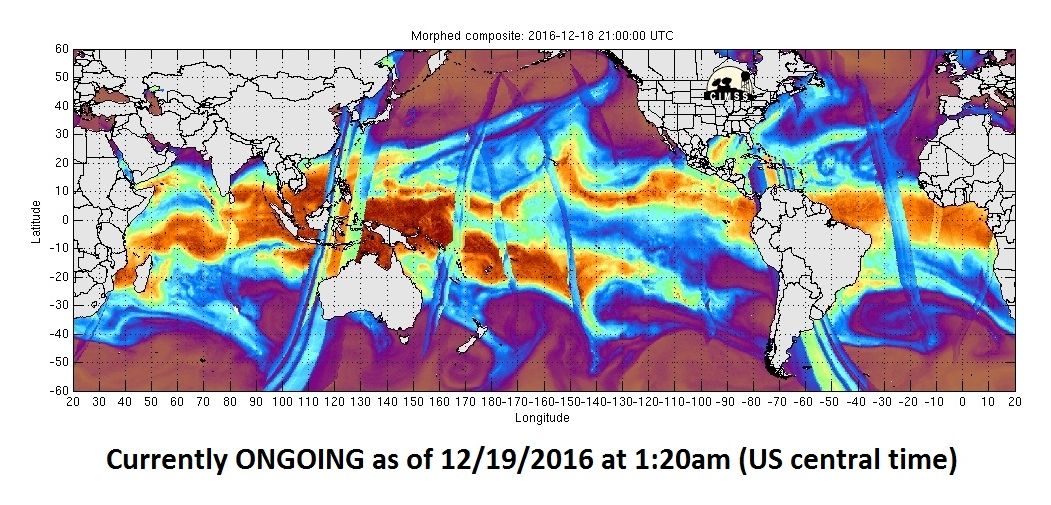
A large wave of energy impacting the entire planet has UNINTENTIONALLY been detected by the MIMIC TPW microwave background imagery. Currently ONGOING as of 12/19/2016 at 1:20am US central time)