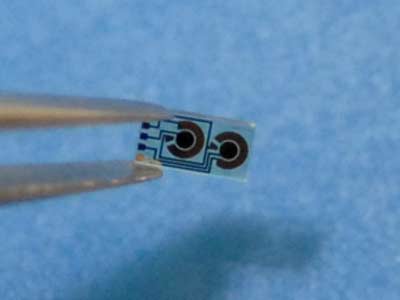
New magnetoelectric multiferroic material operates at 100 times lower power (credit: Julia A. Mundy/Nature)
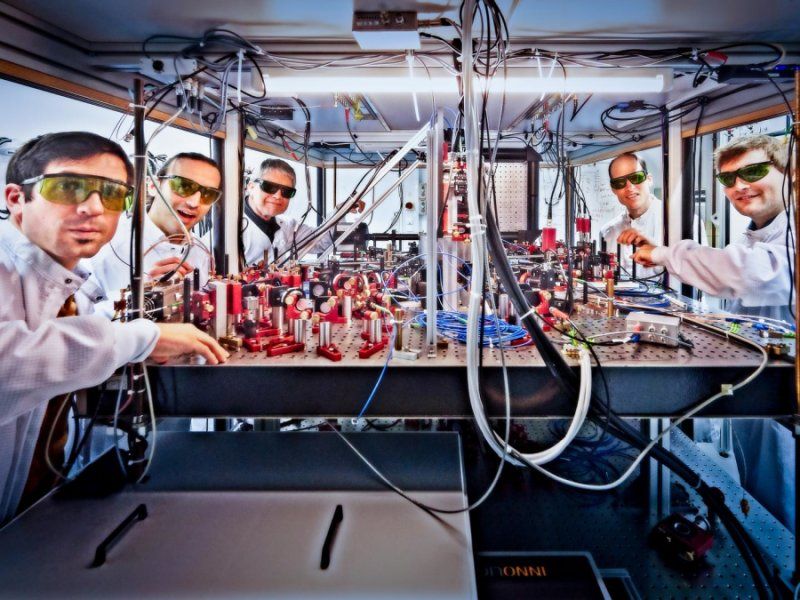
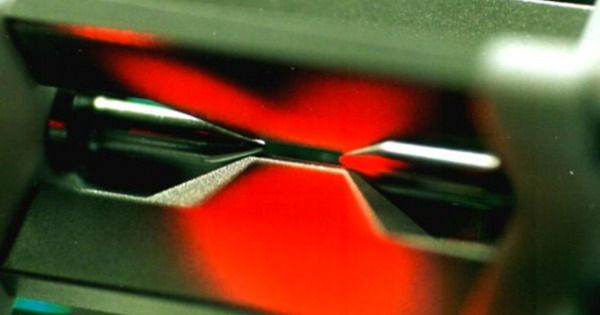
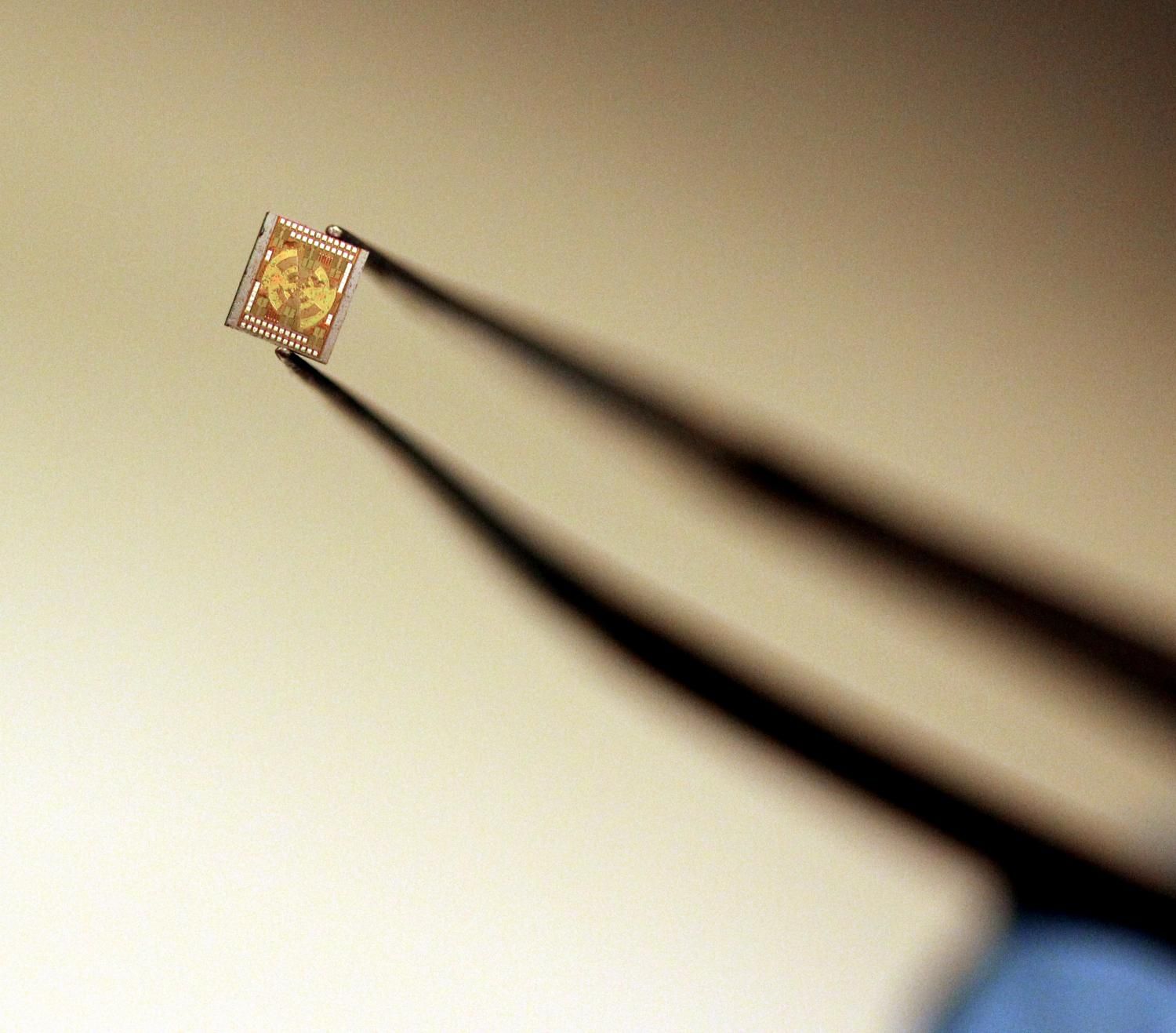
Lawrence Berkeley National Laboratory scientists have developed a new “magnetoelectric multiferroic*” material that could lead to a new generation of computing devices with more computing power while consuming a fraction of the energy that today’s electronics require.
An artificial intelligence method developed by University College London computer scientists and associates has predicted the judicial decisions of the European Court of Human Rights (ECtHR) with 79% accuracy, according to a paper published today (Monday, Oct. 24) in PeerJ Computer Science.
The method is the first to predict the outcomes of a major international court by automatically analyzing case text using a machine-learning algorithm.*.
Wall Street watchdogs turn to AI: System can scan markets and even chat rooms for rogue traders…
Artificial intelligence programs have beaten chess masters and TV quiz show champions. Next up: stock market cheats.
Two exchange operators have announced plans to launch artificial intelligence tools for market surveillance in the coming months and officials at a Wall Street regulator tell Reuters they are not far behind.
Executives are hoping computers with humanoid wit can help mere mortals catch misbehavior more quickly.
Get ready to dump the keyboard: Experts claim mind controlled computers are just a decade away…
An expert at West Virginia University suggests human thought will soon communicate directly with computers, which will move us toward an era of ‘computing at the speed of thought.’
It would be the ultimate user interface: a device the size of two stacked nickels that allows your thoughts to control computers. The only catch is it’ll have to be implanted in your brain.
Microcomputers are great for learning about code and hardware. The VoCore2 Mini is the smallest ever, packing full Linux functionality and wireless connectivity into a coin-sized device. New Atlas Deals has it for just $42.99.
This impressive little computer is capable of running programs in C, Java, Ruby, JavaScript, and many other languages. This means you can code the VoCore2 to expand its functionality, turning it into a VPN gateway, airplay music station, and much more.
You can also augment the VoCore2 with hardware components for further tinkering fun. Add a USB webcam to turn it into a home security camera, attach a microphone to issue voice commands to Siri or Echo, and so on. Your projects are limited only by your imagination.
A new centre has opened to study the positive and negative implications of AI and ethical quandaries it poses.
“The rise of powerful AI will be either the best, or the worst thing, ever to happen to humanity,” Professor Stephen Hawking said in Cambridge, at the launch of the Centre for the Future of Intelligence (CFI).
The CFI is seeking to investigate the implications of AI for humanity, building an interdisciplinary community of researchers, bringing together philosophers, psychologists, lawyers and computer scientists. But, with strong links to technologists and policymakers, it has clear practical goals.
Artificial intelligence is a “momentous development,” said George Lee, co-chairman of the global technology, media and telecom group at Goldman Sachs.
“As awesome as the internet has been, it will be best remembered as really the predicate for machine learning,” said Lee, who’s also chief information officer of Goldman’s investment banking division. He appeared on CNBC’s “Squawk Alley” on Wednesday from Goldman’s Builders + Innovators Summit in Santa Barbara, California.
The internet enabled computing scale in a network and serves as a way to “collect data that’s used to train all these algorithms,” Lee said, predicting machine learning will “change our world … and even the course of our species in ways that are hard to predict today.”
The idea of storing digital data in DNA seems like science fiction. At first glance, it might not seem obvious that a molecule can store data. The term “data storage” conjures up images of physical artifacts like CDs and data centers, not a microscopic molecule like DNA. But there are a number of reasons why DNA is an exciting option for information storage.
The status quo
We’re in the midst of a data explosion. We create vast amounts of information via our estimated 17 billion internet-connected devices: smartphones, cars, health trackers, and all other devices. As we continue to add sensors and network connectivity to physical devices we will produce more and more data. Similarly, as we bring online the 4.2 billion people who are currently offline, we will produce more and more data.