Your name on Mars?
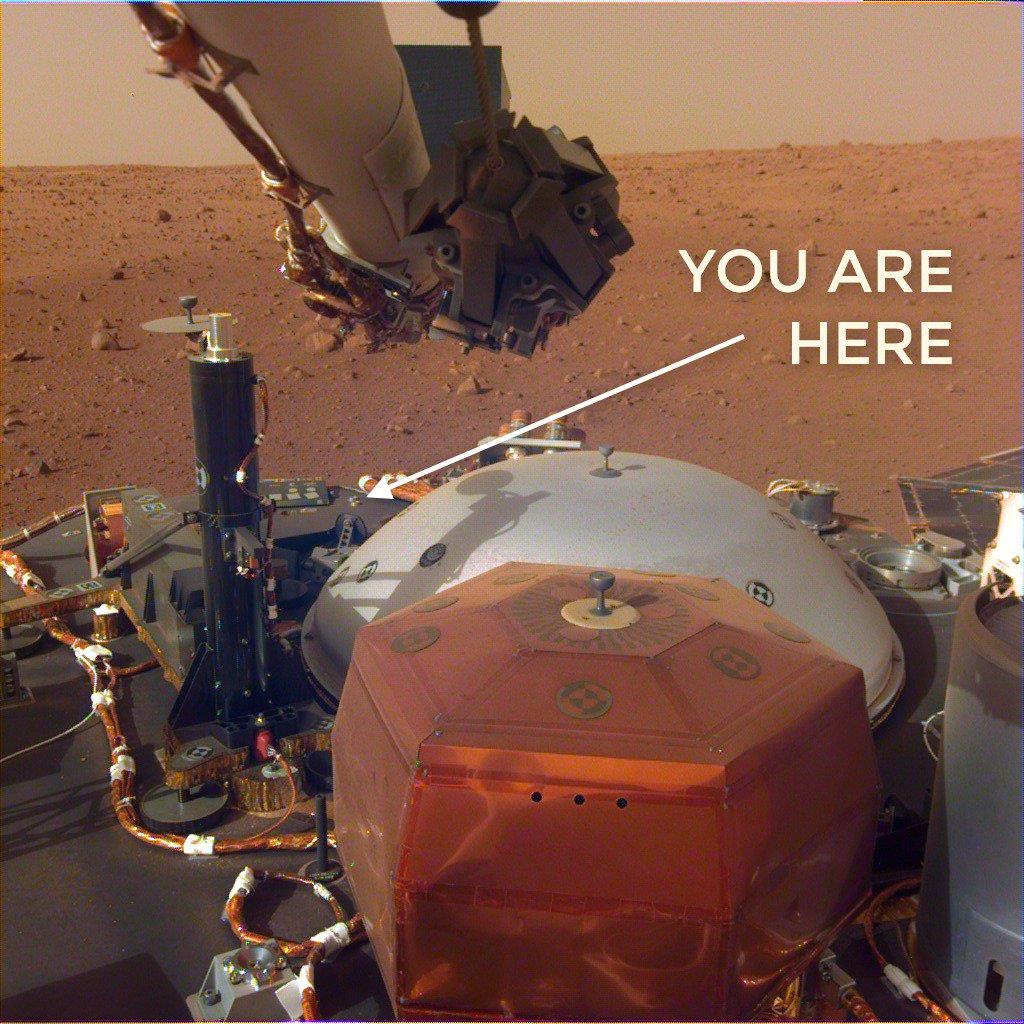
These two tiny chips contain the names of more than 2.4 million people who signed up to fly with me. We’re ON MARS, you guys.
You’re all honorary Martians!

The longer-term answer is to develop and scale up the quantum communication network and, subsequently, the quantum internet. This will take major investments from governments. However, countries will benefit from the greater security offered13. For example, Canada keeps its census data secret for 92 years, a term that only quantum cryptography can assure. Government agencies could use quantum-secured blockchain platforms to protect citizens’ personal financial and health data. Countries leading major research efforts in quantum technologies, such as China, the United States and members of the European Union, will be among the early adopters. They should invest immediately in research. Blockchains should be a case study for Europe’s Quantum Key Distribution Testbed programme, for example.
Bitcoin and other cryptocurrencies will founder unless they integrate quantum technologies, warn Aleksey K. Fedorov, Evgeniy O. Kiktenko and Alexander I. Lvovsky. Bitcoin and other cryptocurrencies will founder unless they integrate quantum technologies, warn Aleksey K. Fedorov, Evgeniy O. Kiktenko and Alexander I. Lvovsky.
A new report says it could take more than a decade to develop new cryptography schemes to keep data secure when quantum computers hit prime time.

That quantum mechanics is a successful theory is not in dispute. It makes astonishingly accurate predictions about the nature of the world at microscopic scales. What has been in dispute for nearly a century is just what it’s telling us about what exists, what is real. There are myriad interpretations that offer their own take on the question, each requiring us to buy into certain as-yet-unverified claims — hence assumptions — about the nature of reality.
Now, a new thought experiment is confronting these assumptions head-on and shaking the foundations of quantum physics. The experiment is decidedly strange. For example, it requires making measurements that can erase any memory of an event that was just observed. While this isn’t possible with humans, quantum computers could be used to carry out this weird experiment and potentially discriminate between the different interpretations of quantum physics.
“Every now and then you get a paper which gets everybody thinking and discussing, and this is one of those cases,” said Matthew Leifer, a quantum physicist at Chapman University in Orange, California. “[This] is a thought experiment which is going to be added to the canon of weird things we think about in quantum foundations.”
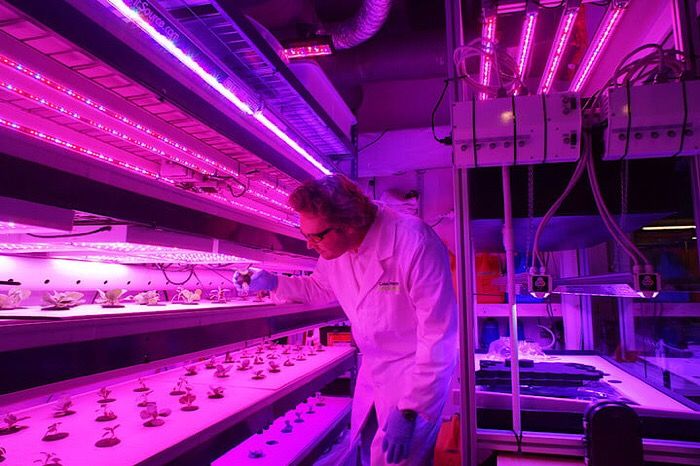
I’m Caleb Harper, principal investigator and director of the Open Agriculture initiative at the MIT Media Lab. Kent Larson courtesy of MIT Media Lab.
In his book Tomatoland: How Modern Industrial Agriculture Destroyed Our Most Alluring Fruit, Barry Estabrook details how grocery store tomatoes are both less nutritious and delicious than those grown decades ago. Industrial farming now grows crops for yield, sacrificing taste and vitamins for an easy-to-harvest, shippable product. It’s why apples at your local supermarket are probably about a year old. Caleb Harper, a principal research scientist at MIT and director of the OpenAg Initiative, wants to use technology to grow food that’s healthier, tastier, and more sustainable.
“Growing for nutrition and growing for flavor, it’s not really something anyone does,” he told Digital Trends at the recent ReThink Food conference in Napa, California.
But while screening can be extremely helpful, it also carries some risks. Here’s what you need to know about lung cancer screenings.
How does lung cancer screening work?
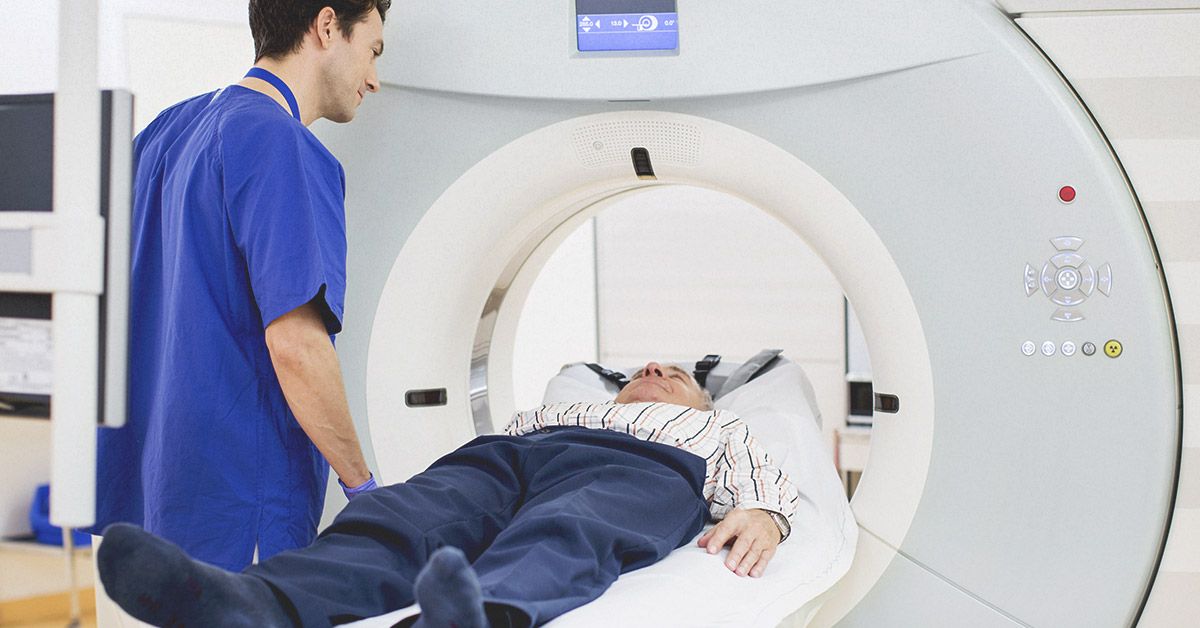
Currently, there’s only one recommended screening test for lung cancer: low-dose computer tomography (low-dose CT scan). This test creates images of the inside of the body — or in this case, the lungs — using low doses of radiation.