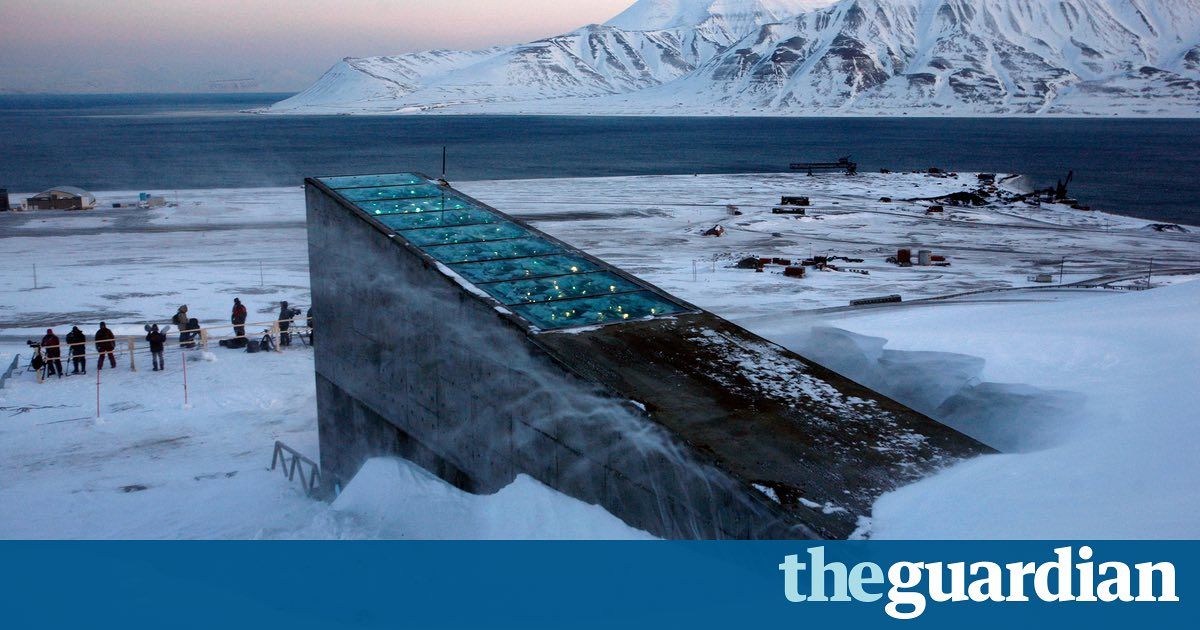
No seeds were lost but the ability of the rock vault to provide failsafe protection against all disasters is now threatened by climate change.
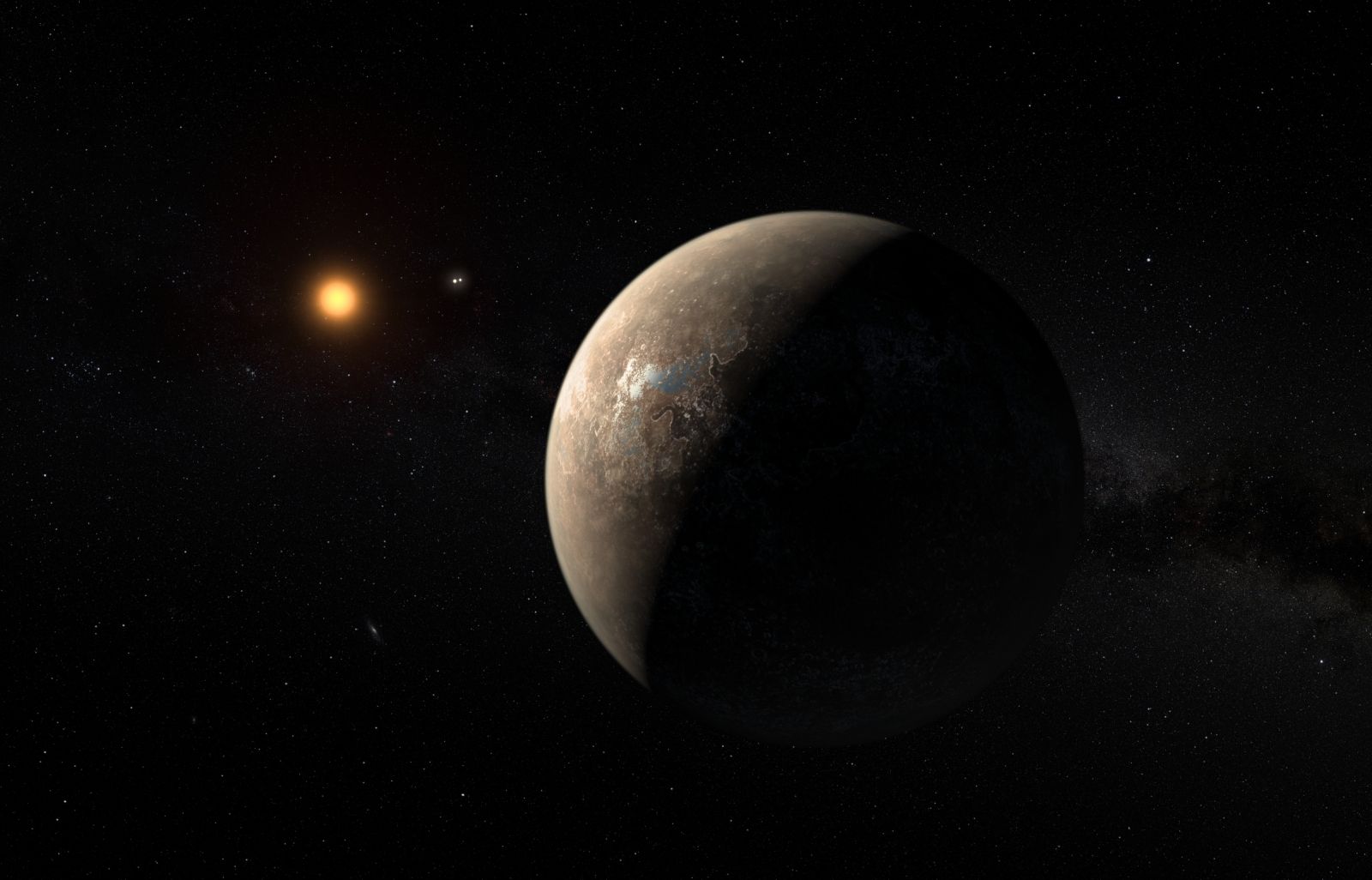
Exoplanet Proxima B, which was recently discovered orbiting our closest neighbouring star, may have the potential to support life, new climate simulations have revealed.
Ever since it was identified in August 2016, Proxima B, which stands 4.2 light years away from Earth and close to the Proxima Centauri star, has intrigued scientists. The tantalising prospect that the planet could be habitable has led many to undertake in-depth investigations.
Trending: Who is David Nabarro, the UK candidate to lead the World Health Organisation?

https://www.linkedin.com/pulse/spacetech-we-quite-yet-brett-gallie on @LinkedIn
I was recently at NASA’s annual SpaceApps Hackathon and the focus this year was climate change and our team brainstormed solutions to track the causes of devastating Twisters and we noted that technology had not progressed far enough to build our tracking probes but was close to being developed.
Massive technological advances need to be made if we are going to Mars and beyond.
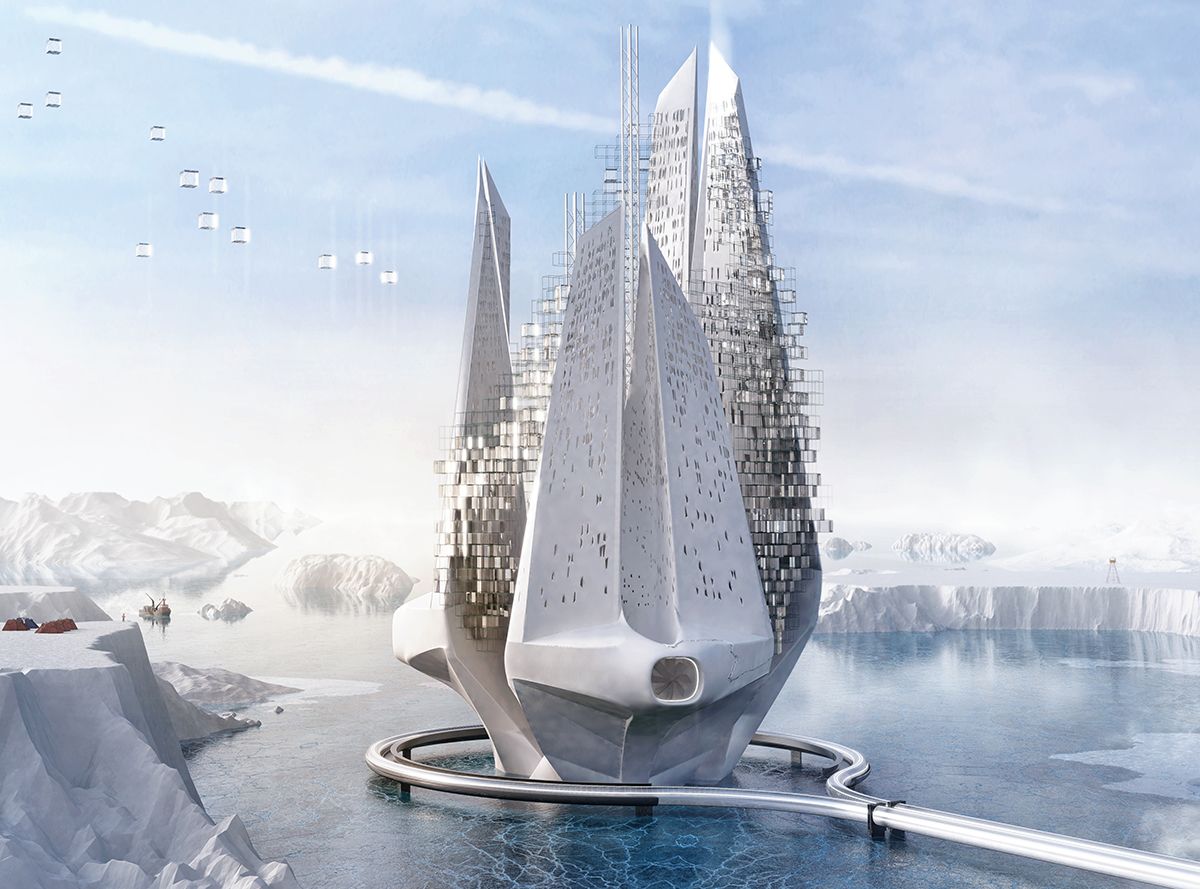
The “reverse climate change machine” is an honorable mention in the Evolo Skyscraper Design Competition.
A one-stop skyscraping shop for urbane living and fighting climate change called the HEAL-BERG is among the selected entries in eVolo’s annual Skyscraper Competition, which invites the world’s designers to “challenge the way we understand vertical architecture.” The mammoth pearlescent structure would simultaneously cool Antarctic ocean water, scrub carbon dioxide from the atmosphere, and generate electricity with saltwater and wind turbines, creating what the designers call, a “reverse climate change machine.”
Luca Beltrame and Saba Nabavi Tafreshi created HEAL-BERG as a response to a potential future in which, “climate was changing at a rate exceeding most scientific forecasts; oceans warming, air pollution and climate change were caught in a discernible self-boosting loop. In the speculative world they’ve created, it’s 2039, 21.5 million people are being displaced annually due to climate change and, “the complex patterns representing the world were doomed to collapse.”

Calling all UX Designers, Developers and tech Creatives to join us at this years NASA #SpaceApps Event: Virtually or in person to solve earth science & climate change challenges : https://2017.spaceappschallenge.org/
Space Apps 2017.


Reminds me of the 2004 film “The Day after Tomorrow” : in which Jack Hall, paleoclimatologist, must make a daring trek across America to reach his son, trapped in the cross-hairs of a sudden international storm which plunges the planet into a new Ice Age.
CLIMATE CHANGE will increase severe plane turbulence by 149 per cent, according to scientists.

Depression, anxiety, grief, despair, stress—even suicide: The damage of unfolding climate change isn’t only counted in water shortages and wildfires, it’s likely eroding mental health on a mass scale, too, reports the American Psychological Association, the preeminent organization of American mental health professionals.
Direct, acute experience with a changing climate—the trauma of losing a home or a loved one to a flood or hurricane, for example—can bring mental health consequences that are sudden and severe. After Hurricane Katrina, for example, suicide and suicidal ideation among residents of areas affected by the disaster more than doubled according to a paper led by Harvard Medical School, while one in six met the criteria for PTSD, according to a Columbia University-led paper. Elevated PTSD levels have also been found among people who live through wildfires and extreme storms, sometimes lasting several years.
But slower disasters like the “unrelenting day-by-day despair” of a prolonged drought, or more insidious changes like food shortages, rising sea levels, and the gradual loss of natural environments, will “cause some of the most resounding chronic psychological consequences,” the APA writes in its 69-page review of existing scientific literature, co-authored by Climate for Health and EcoAmerica, both environmental organizations. “Gradual, long-term changes in climate can also surface a number of different emotions, including fear, anger, feelings of powerlessness, or exhaustion.”
Stephen Hawking appeared through the marvel of modern technology as a hologram during an event in Hong Kong last week. He had some harsh words regarding our current climate of disregarding experts.
Stephen Hawking is a real wonder to behold. The now 75-year-old astrophysicist was told that he wouldn’t see past his 25th birthday due to his diagnosis of ALS (amyotrophic lateral sclerosis) or Lou Gehrig’s disease. And, although he is bound to a wheelchair, his mind has wildly surpassed his physical limitations.
Embracing his lack of limitations, Hawking recently appeared as a hologram at an event in Hong Kong last week. During the talk, Hawking fielded questions about exoplanets, black holes, and other topics that firmly fit within his area of expertise. He also made a few enlightening comments about current affairs.
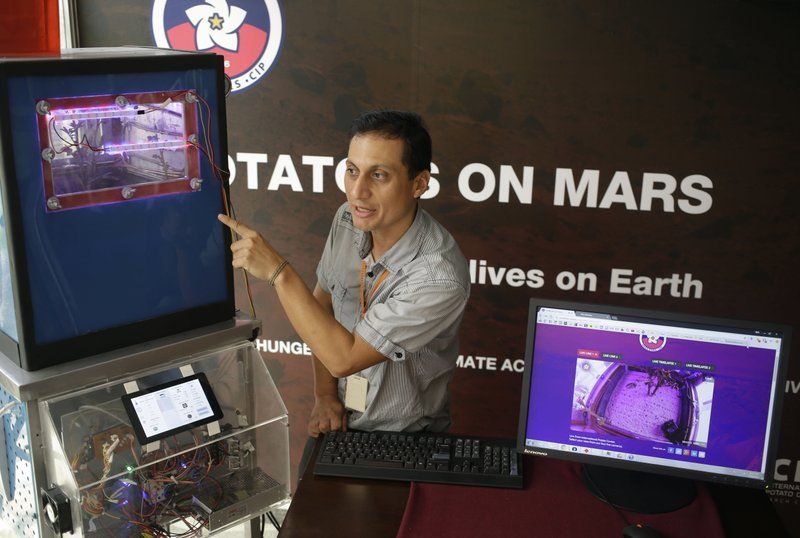
LIMA, Peru (AP) — If human beings finally reach Mars, they may find themselves depending on the humble, if hardy potato.
Scientists in Peru have used a simulator that mimics the harsh conditions on the Red Planet to successfully grow a small potato plant.
It’s an experiment straight out of the 2015 Hollywood movie “The Martian” that scientists say may also benefit arid regions already feeling the impact of climate change.