A dual-action nanomaterial uses cancer’s own chemistry to destroy tumors while leaving healthy cells unharmed.
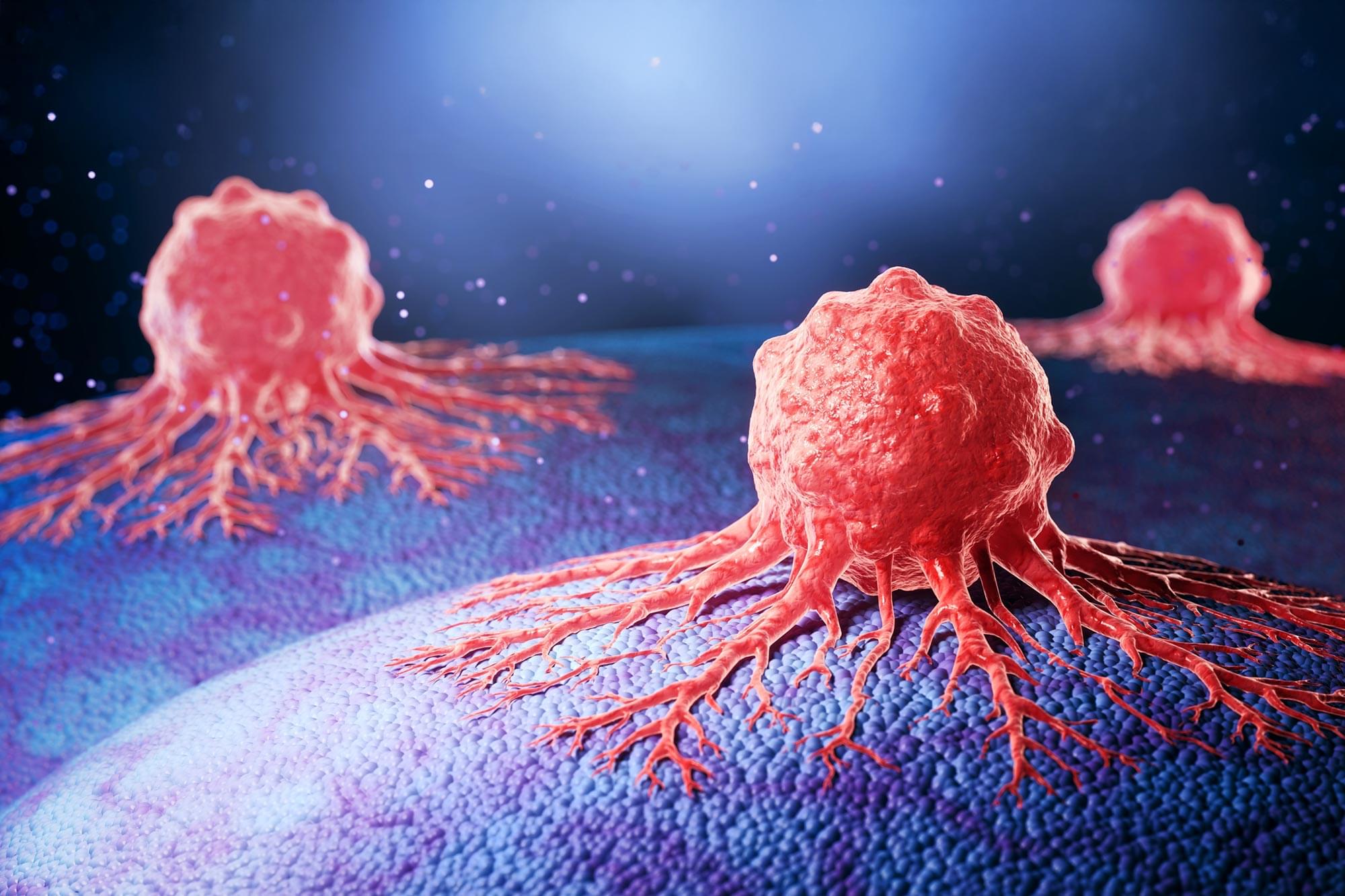
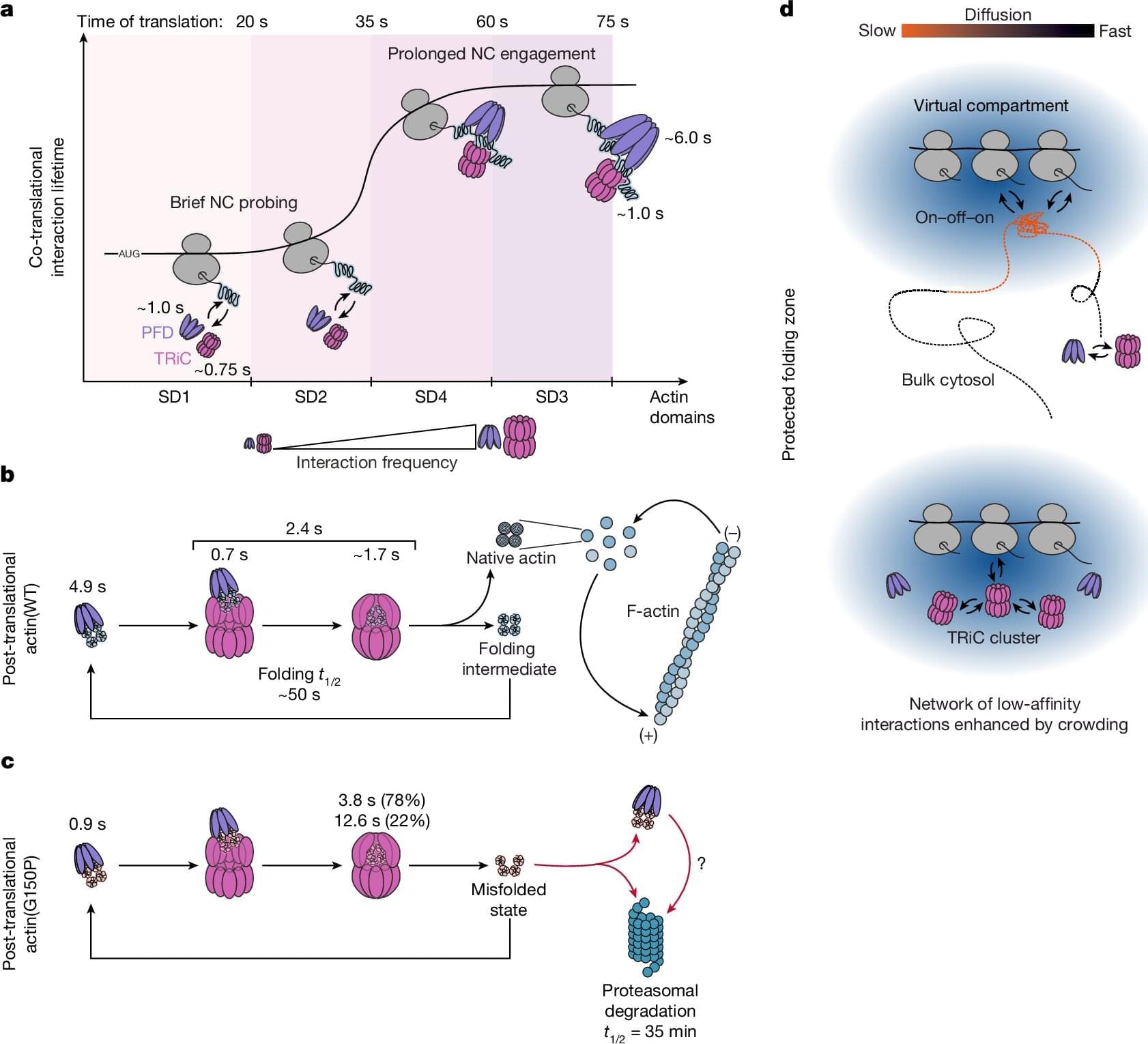
Proteins are the molecular machines of cells. They are produced in protein factories called ribosomes based on their blueprint—the genetic information. Here, the basic building blocks of proteins, amino acids, are assembled into long protein chains. Like the building blocks of a machine, individual proteins must have a specific three-dimensional structure to properly fulfill their functions.
To achieve this, the newly produced protein chains in human cells are folded into their stable and functional form with the help of various protein folding helper proteins, known as chaperones, such as TRiC/PFD, or HSP70/40. The protein folding helpers isolate the amino acid chains, which have different chemical properties depending on the amino acid, from the cellular environment. This prevents the newly produced protein chains from clumping together and causing disease.
F.-Ulrich Hartl, a director at the Max Planck Institute of Biochemistry, has spent decades studying the mechanisms of protein folding. Niko Dalheimer, a scientist in Hartl’s department and one of the two lead authors of a new study published in Nature, explains: Much of what we know about protein folding has been learned from studies conducted in test tubes. However, it is virtually impossible to faithfully replicate the cellular environment in vitro.
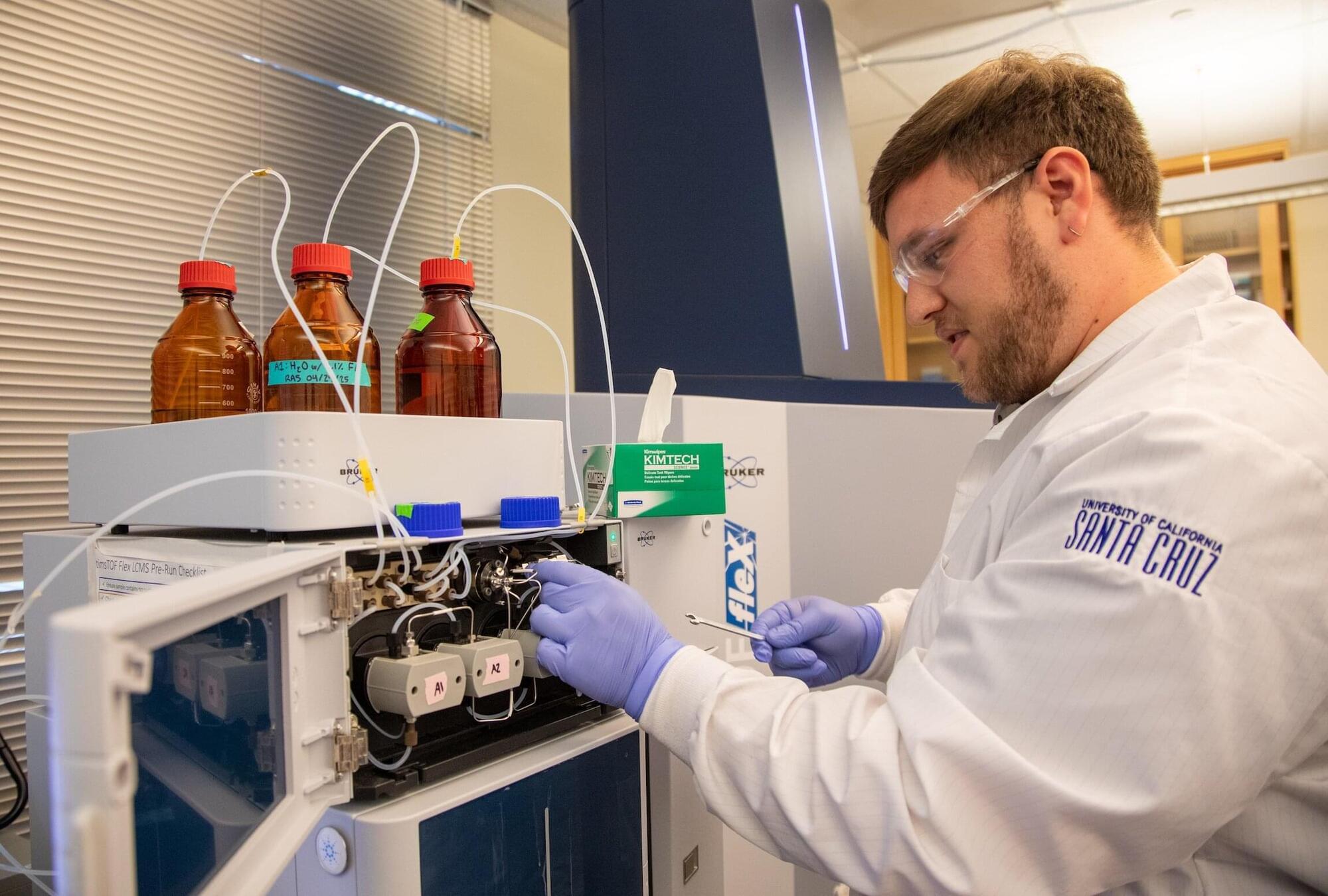
A team of biochemists at the University of California, Santa Cruz, has developed a faster way to identify molecules in the lab that could lead to more effective pharmaceuticals. The discovery advances the rapidly growing field of biocatalysis, which depends on generating large, genetically diverse libraries of enzymes, and then screening those variants to find ones that perform a desired chemical task best.
This strategy has attracted major investment, particularly from drugmakers, because it promises quicker routes to complex, high-value molecules. However, traditional approaches to finding new biologically beneficial molecules often require “lots of shots on goal,” where researchers test enormous numbers of candidates through slow and inefficient workflows.
The method developed by the UC Santa Cruz team aims to significantly shorten that process by introducing smarter and faster decision-making tools that help researchers identify promising enzyme variants much earlier. The researchers detail their new approach in the journal Cell Reports Physical Science.
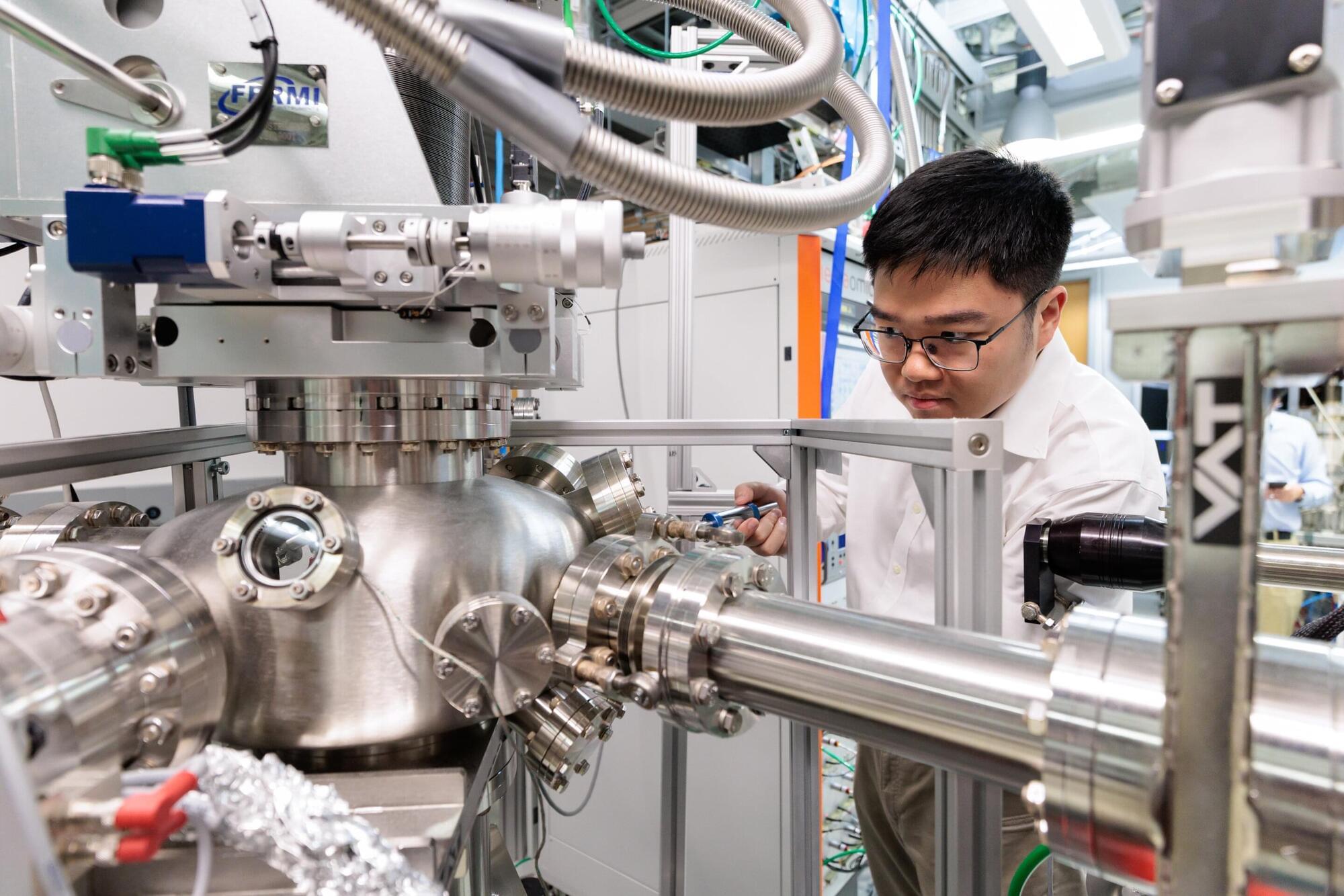
Today’s most powerful computers hit a wall when tackling certain problems, from designing new drugs to cracking encryption codes. Error-free quantum computers promise to overcome those challenges, but building them requires materials with exotic properties of topological superconductors that are incredibly difficult to produce. Now, researchers at the University of Chicago Pritzker School of Molecular Engineering (UChicago PME) and West Virginia University have found a way to tune these materials into existence by simply tweaking a chemical recipe, resulting in a change in many-electron interactions.
The team adjusted the ratio of two elements— tellurium and selenium —that are grown in ultra-thin films. By doing so, they found they could switch the material between different quantum phases, including a highly desirable state called a topological superconductor.
The findings, published in Nature Communications, reveal that as the ratio of tellurium and selenium changes, so too do the correlations between different electrons in the material—how strongly each electron is influenced by those around it. This can serve as a sensitive control knob for engineering exotic quantum phases.
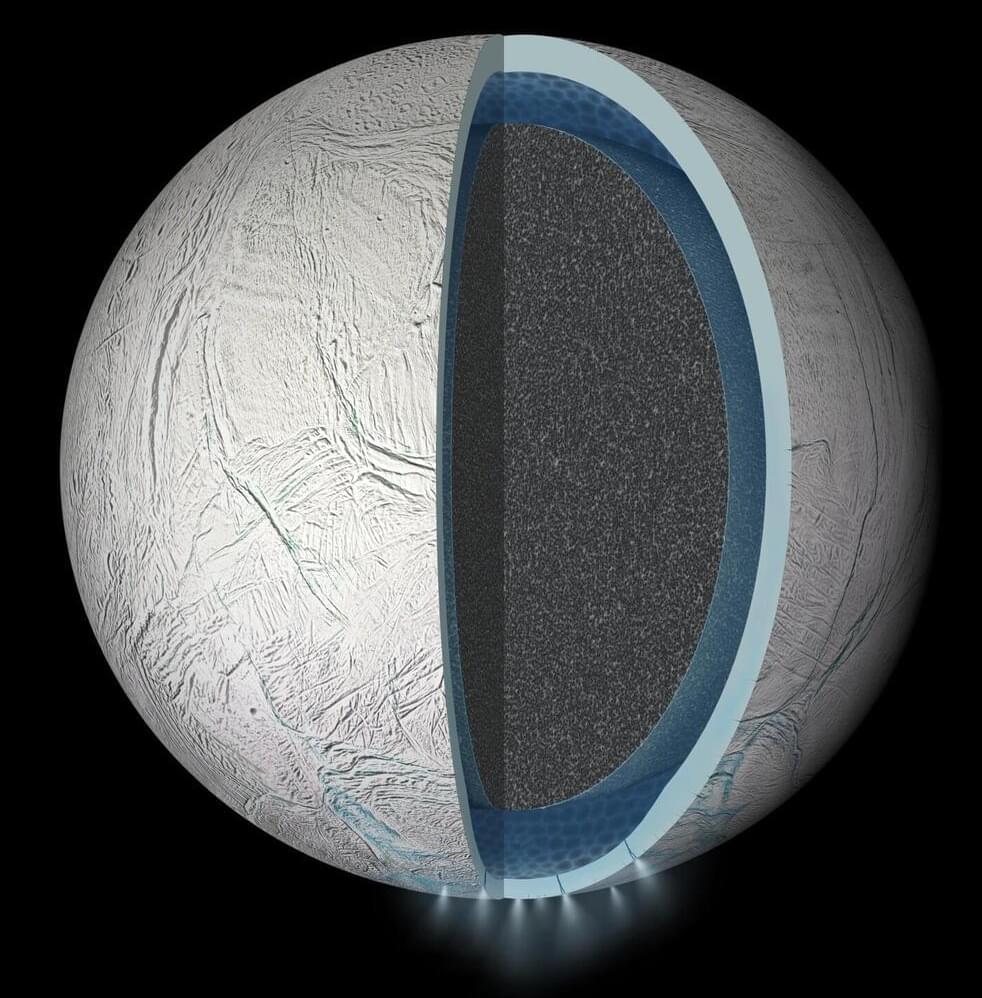
Through new experiments, researchers in Japan and Germany have recreated the chemical conditions found in the subsurface ocean of Saturn’s moon, Enceladus. Published in Icarus, the results show that these conditions can readily produce many of the organic compounds observed by the Cassini mission, strengthening evidence that the distant world could harbor the molecular building blocks of life.
Beneath its thick outer shell of ice, astronomers widely predict that Saturn’s sixth largest moon hosts an ocean of liquid water in its south polar region. The main evidence for this ocean is a water-rich plume which frequently erupts from fractures in Enceladus’ surface, leaving a trail of ice particles in its orbital paths which contributes to one of its host planet’s iconic rings.
Between 2004 and 2017, NASA’s Cassini probe passed through this E-ring and plume several times. Equipped with instruments including mass spectrometers and an ultraviolet imaging spectrograph, it detected a diverse array of organic compounds: from simple carbon dioxide to larger hydrocarbon chains, which on Earth are essential molecular precursors to complex biomolecules.
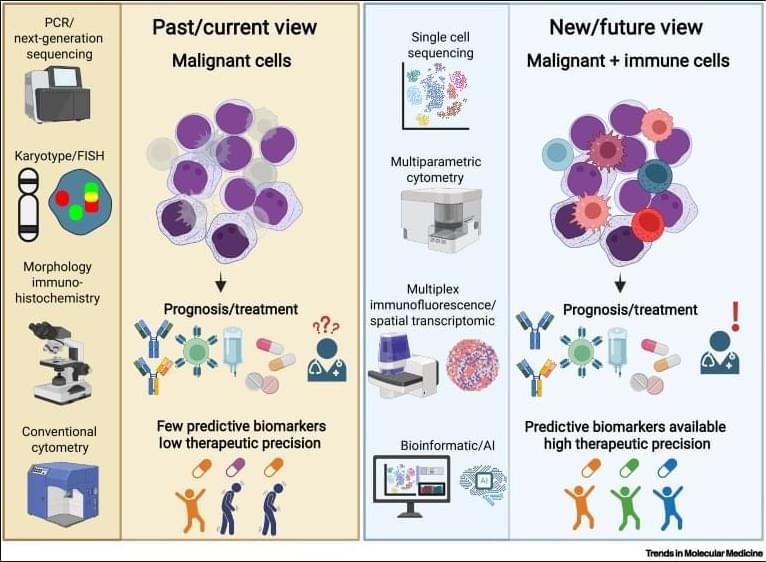
Why immunoscores work in solid tumors—but not yet in blood cancers👇
✅In solid tumors, immune profiling has reached a high level of standardization. Clear tumor boundaries allow quantification of immune cell infiltration, particularly CD3⁺ and CD8⁺ T cells, using immunohistochemistry. This has led to the development of validated immunoscores that stratify tumors as “hot,” “cold,” or “very cold,” providing robust prognostic and predictive value for immunotherapy response.
✅These immunoscores work because solid tumors are spatially organized. Immune cells can be classified as infiltrating or excluded, and their density within defined tumor regions directly correlates with clinical outcome. As a result, immune cell infiltration has become a reliable biomarker to guide treatment decisions in cancers such as colon carcinoma.
✅In contrast, hematologic malignancies lack these defining features. Leukemias and lymphomas are systemic diseases without clear tumor borders, making spatial immune assessment fundamentally challenging. Malignant and nonmalignant immune cells coexist within the same compartments, blurring the distinction between tumor cells and the immune microenvironment.
✅Current immune profiling in hematologic cancers relies on baseline physiological levels of circulating or tissue-resident immune cells, including monocytes, neutrophils, T cells, NK cells, and B cells. While techniques such as flow cytometry, histology, and bulk or single-cell RNA sequencing provide rich datasets, they do not yet translate into a unified, clinically actionable immune score.
✅This lack of standardization creates uncertainty in predicting immunotherapy responses. Metrics such as inflammation, cytotoxicity, or immune infiltration are difficult to interpret consistently across patients and disease subtypes, especially given systemic involvement and tissue-specific immune contexts.
💡
What does it take to turn bold ideas into life-saving medicine?
In this episode of The Big Question, we sit down with @MIT’s Dr. Robert Langer, one of the founding figures of bioengineering and among the most cited scientists in the world, to explore how engineering has reshaped modern healthcare. From early failures and rejected grants to breakthroughs that changed medicine, Langer reflects on a career built around persistence and problem-solving. His work helped lay the foundation for technologies that deliver large biological molecules, like proteins and RNA, into the body, a challenge once thought impossible. Those advances now underpin everything from targeted cancer therapies to the mRNA vaccines that transformed the COVID-19 response.
The conversation looks forward as well as back, diving into the future of medicine through engineered solutions such as artificial skin for burn victims, FDA-approved synthetic blood vessels, and organs-on-chips that mimic human biology to speed up drug testing while reducing reliance on animal models. Langer explains how nanoparticles safely carry genetic instructions into cells, how mRNA vaccines train the immune system without altering DNA, and why engineering delivery, getting the right treatment to the right place in the body, remains one of medicine’s biggest challenges. From personalized cancer vaccines to tissue engineering and rapid drug development, this episode reveals how science, persistence, and engineering come together to push the boundaries of what medicine can do next.
#Science #Medicine #Biotech #Health #LifeSciences.
Chapters:
00:00 Engineering the Future of Medicine.
01:55 Failure, Persistence, and Scientific Breakthroughs.
05:30 From Chemical Engineering to Patient Care.
08:40 Solving the Drug Delivery Problem.
11:20 Delivering Proteins, RNA, and DNA
14:10 The Origins of mRNA Technology.
17:30 How mRNA Vaccines Work.
20:40 Speed and Scale in Vaccine Development.
23:30 What mRNA Makes Possible Next.
26:10 Trust, Misinformation, and Vaccine Science.
28:50 Engineering Tissues and Organs.
31:20 Artificial Skin and Synthetic Blood Vessels.
33:40 Organs on Chips and Drug Testing.
36:10 Why Science Always Moves Forward.
The Big Question with the Museum of Science:

Researchers at the University of Glasgow have developed an almost entirely biodegradable PCB using zinc conductors and bio-derived substrate materials. The work aims to reduce the environmental impact of electronic waste by replacing conventional copper-based PCBs in applications designed for short operational lifetimes.
For eeNews Europe readers, the research is relevant as it explores alternative PCB materials and manufacturing methods that could be applied to disposable and low-duty-cycle electronics, including sensing and IoT-related devices.
The approach differs from conventional PCB fabrication, which typically involves etching copper from a full sheet. Instead, the researchers use what they describe as a growth and transfer additive manufacturing process, depositing conductive material only where tracks are required. According to the team, this reduces metal usage and avoids the use of harsh chemical etchants.
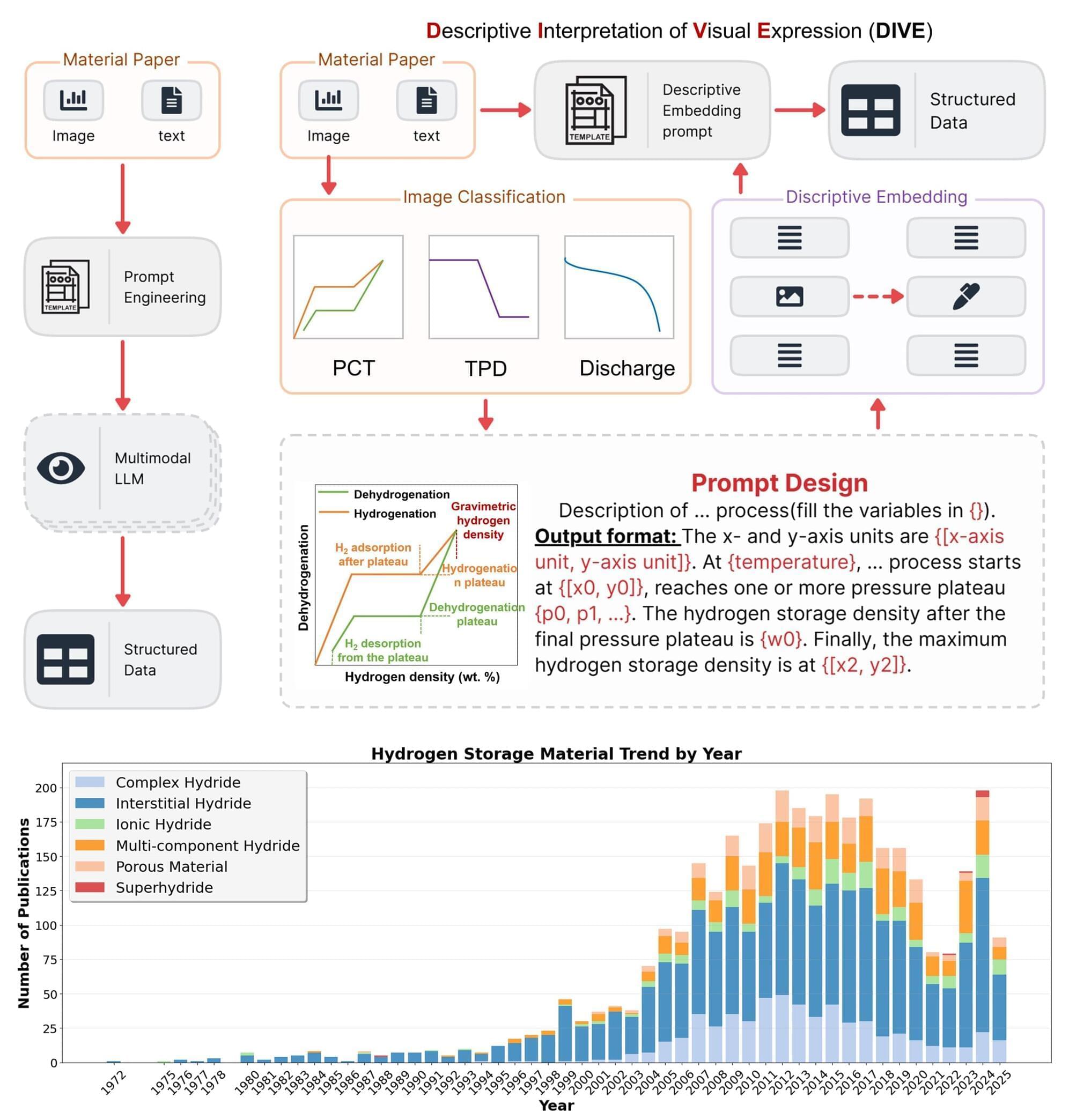
Developing new materials can involve a dizzying amount of trial and error for different configurations and elements. Artificial intelligence (AI) has seen a surge of popularity in energy materials research for its potential to streamline this time-consuming process. However, fully autonomous workflows that connect high-precision experimental knowledge to the discovery of credible new energy-related materials remain at an early stage.
A team of researchers at the WPI-Advanced Institute for Materials Research (WPI-AIMR), Tohoku University, created the Descriptive Interpretation of Visual Expression (DIVE) multi-agent workflow to streamline the material research process. The system extracts information from images in a database of over 30,000 entries from 4,000 scientific publications to propose new materials within minutes.
The findings were published in Chemical Science.
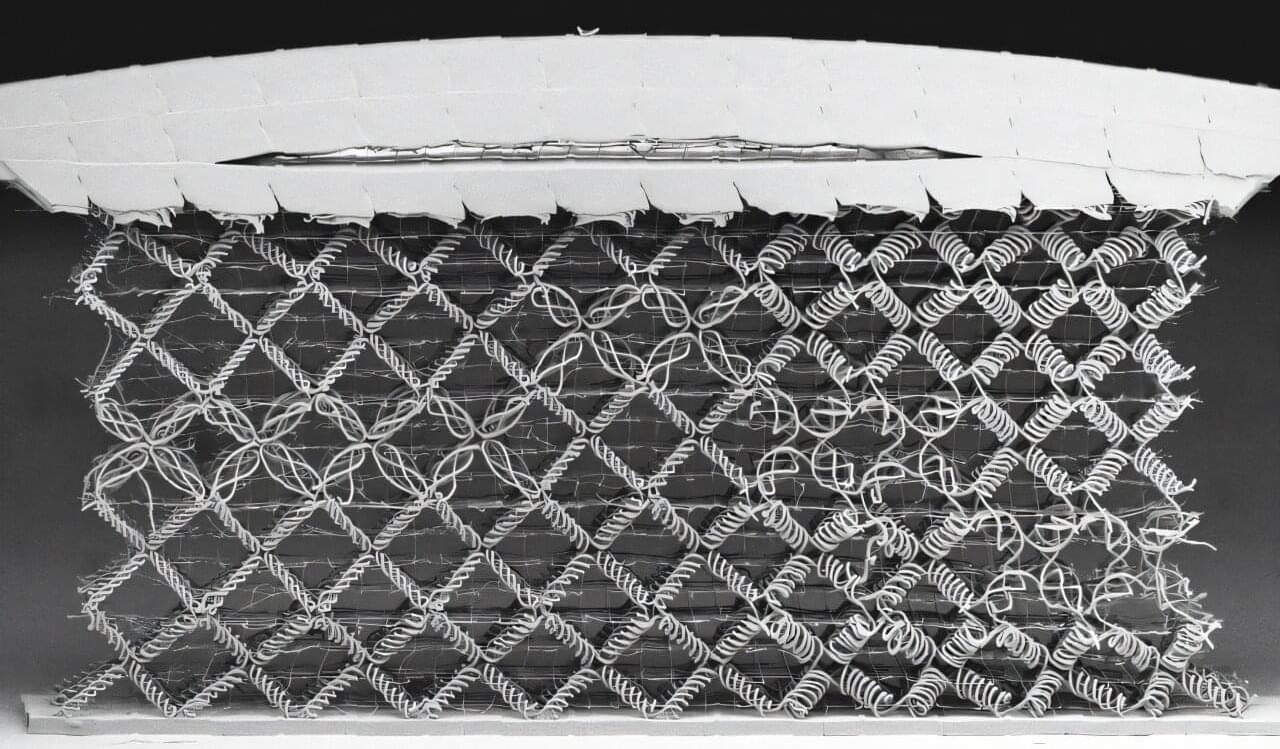
Metamaterials—materials whose properties are primarily dictated by their internal microstructure, and not their chemical makeup—have been redefining the engineering materials space for the last decade. To date, however, most metamaterials have been lightweight options designed for stiffness and strength.
New research from the MIT Department of Mechanical Engineering introduces a computational design framework to support the creation of a new class of soft, compliant, and deformable metamaterials. These metamaterials, termed 3D woven metamaterials, consist of building blocks that are composed of intertwined fibers that self-contact and entangle to endow the material with unique properties.