Losing hair can be a distressing experience for many people, but treatments are often ineffective, expensive or riddled with side effects. Could this development change that?
A study from Colombia University has shown blocking a certain family of enzymes can rapidly restore hair. The enzymes are called the Janus kinase (JAK) family, and two drugs have already been approved for blood diseases (ruxolitinib) and rheumatoid arthritis (tofacitinib), and are also undergoing other clinical trials.
Viruses are usually thought of as agents of disease. But for the first time, scientists are poised to bring to the US market a virus that can help thwart cancer, a development that could herald a new age of viral therapies.
Approved by the Food and Drug Administration on Tuesday for treating advanced-stage melanoma, the virus — called Imlygic, which was developed in part in a Massachusetts lab — is a modified version of the herpes virus that both attacks the cancer and sparks the immune system into action against tumors.
In clinical trials, it has helped some cancer patients achieve remission with few of the nasty side effects common to existing treatments. And as the first tumor-killing virus to receive the FDA’s blessing, Imlygic could accelerate the development of other viral therapies.
Adam Alonzi has made another excellent film about the power of gene therapy.
Narrated and produced by Adam Alonzi. Music arranged by Leslee Frost. Sponsored by BioViva Sciences Inc.
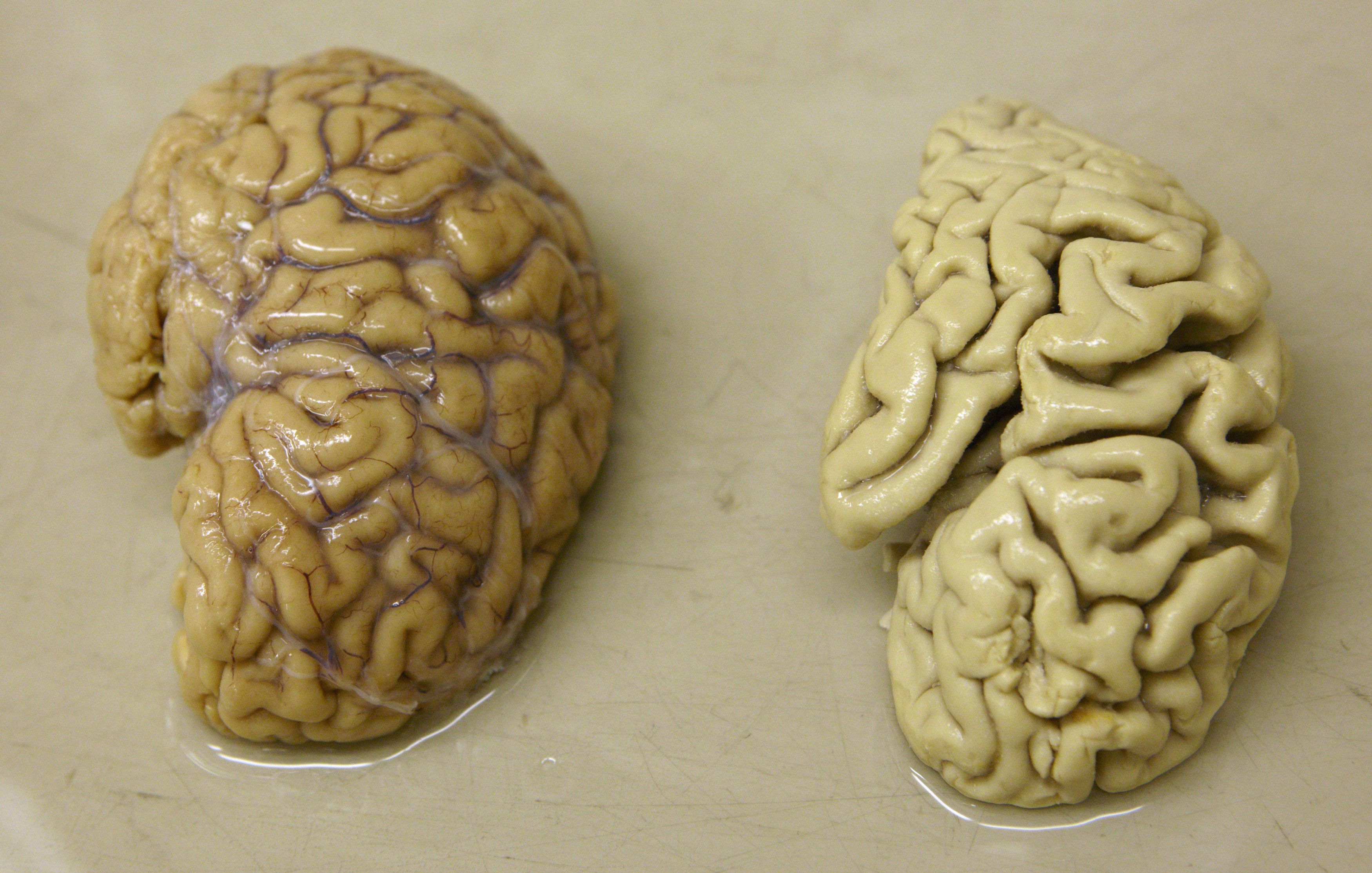
Alzheimer’s Disease. Alzheimer’s disease is a progressive, neurodegenerative disorder. It is the leading cause of dementia. Typically the condition affects short-term memory, but as it advances it can result in disorientation, mood disorders, language difficulties and behavioral issues. Over time, body functions are lost, leading to death.
Current treatment options are extremely limited and the outlook is poor for sufferers with the average life expectancy being 3–9 years from diagnosis. According to RAND Corp, the average annual cost of care for someone with Alzheimer’s disease is $41,689 to $56,290.
BioViva’s Therapy — Telomerase AAV gene therapy.
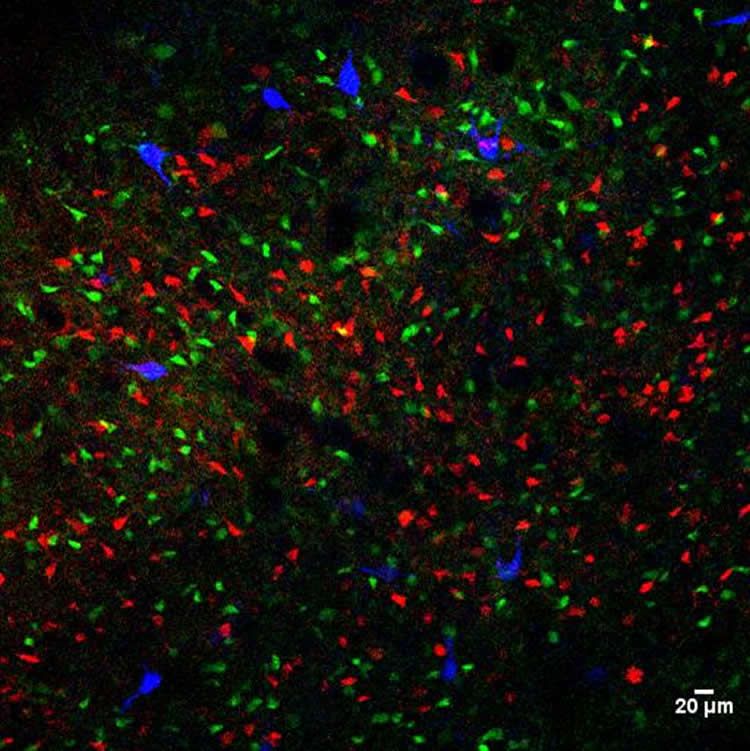
We are exploring therapies with the gene that creates telomerase to rejuvenate the microglia cells that support the Neurons with the aim of combating Alzheimer’s disease and restoring healthy function to the brain once more. There is mounting evidence to indicate this gene plays an active role in protection from Tau Pathology and various experiments have encouraged us to pursue this therapy with the goal of eliminating the suffering this disease brings.
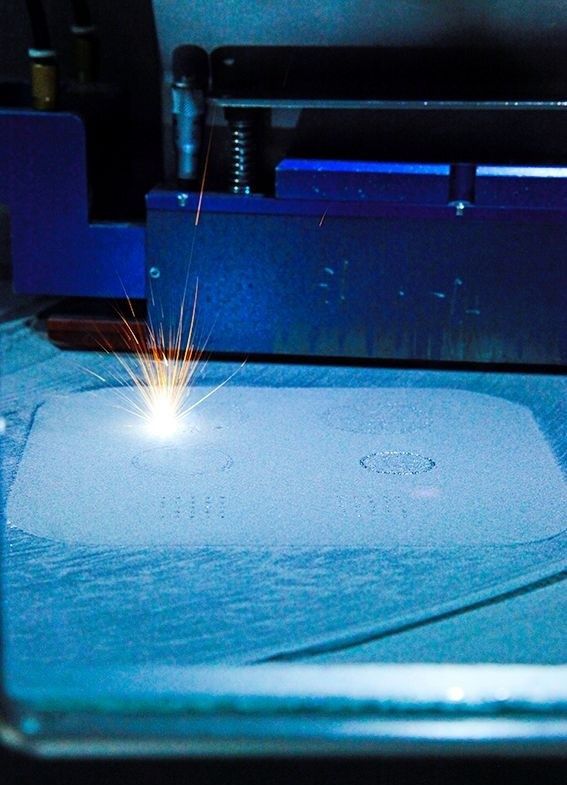
Coronary artery structure being 3-D bioprinted (credit: Carnegie Mellon University College of Engineering)
Carnegie Mellon scientists are creating cutting-edge technology that could one day solve the shortage of heart transplants, which are currently needed to repair damaged organs.
“We’ve been able to take MRI images of coronary arteries and 3-D images of embryonic hearts and 3-D bioprint them with unprecedented resolution and quality out of very soft materials like collagens, alginates and fibrins,” said Adam Feinberg, an associate professor of Materials Science and Engineering and Biomedical Engineering at Carnegie Mellon University.
That was the year she learned to control a Nexus tablet with her brain waves, and literally took her life quality from 1980s DOS to modern era Android OS.
A brunette lady in her early 50s, patient T6 suffers from amyotrophic lateral sclerosis (also known as Lou Gehrig’s disease), which causes progressive motor neuron damage. Mostly paralyzed from the neck down, T6 retains her sharp wit, love for red lipstick and miraculous green thumb. What she didn’t have, until recently, was the ability to communicate with the outside world.
Liz Parrish isn’t your average CEO. A passionate advocate for change, her. company BioViva is leading the fight for healthy longevity with pioneering. gene therapies targeting Alzheimer’s, sarcopenia and even aging itself. Parrish dreams big, but she’s a woman of action. She’s even demonstrated. her commitment by testing cutting-edge therapies on herself. Could her. efforts change how we think about aging? Is gene therapy the future or are. we moving too fast? We caught up with the woman herself to find out more.
After a 10 year study of 3000 people, researchers have made the surprising discovery that hearts age differently in men and women.
We need personalised medicine
We know people age differently, both inside and outside. This is down to a complex interplay of genetics and environment, which leads to significant variation in the aging process for all of us. What we didn’t expect was that such a striking difference would emerge between the genders. So what does this mean? Could there be more we’re missing?
As of this month, over 4,000 Americans are on the waiting list to receive a heart transplant. With failing hearts, these patients have no other options; heart tissue, unlike other parts of the body, is unable to heal itself once it is damaged. Fortunately, recent work by a group at Carnegie Mellon could one day lead to a world in which transplants are no longer necessary to repair damaged organs.
“We’ve been able to take MRI images of coronary arteries and 3-D images of embryonic hearts and 3-D bioprint them with unprecedented resolution and quality out of very soft materials like collagens, alginates and fibrins,” said Adam Feinberg, an associate professor of Materials Science and Engineering and Biomedical Engineering at Carnegie Mellon University. Feinberg leads the Regenerative Biomaterials and Therapeutics Group, and the group’s study was published in the October 23 issue of the journal Science Advances. A demonstration of the technology can be seen below.
“As excellently demonstrated by Professor Feinberg’s work in bioprinting, our CMU researchers continue to develop novel solutions like this for problems that can have a transformational effect on society,” said Jim Garrett, Dean of Carnegie Mellon’s College of Engineering. “We should expect to see 3-D bioprinting continue to grow as an important tool for a large number of medical applications.”
Treating the brain isn’t like the rest of the body. Your blood-brain barrier shields it; filtering the blood to ensure nothing untoward makes it through. This protection is normally a good thing, but it becomes a problem if you want to deliver therapeutic drugs through it. This method could be a solution.
Smuggling therapeutics
Many diseases like Parkinson’s and Alzheimer’s disease are extremely difficult to treat. Only very specific molecules can make it through the brain’s secure barrier, and most drugs don’t make the cut. This poses a challenge when you want to treat disease inside the brain, and so efforts have been focused on finding a way to overcome this. New research has now demonstrated a way of treating Parkinson’s disease with a surgical treatment that opens up a small route to bypass the barrier; essentially a smuggling hatch into your brain.