These artificial intelligence systems are more accurate than doctors at diagnosing health problems.
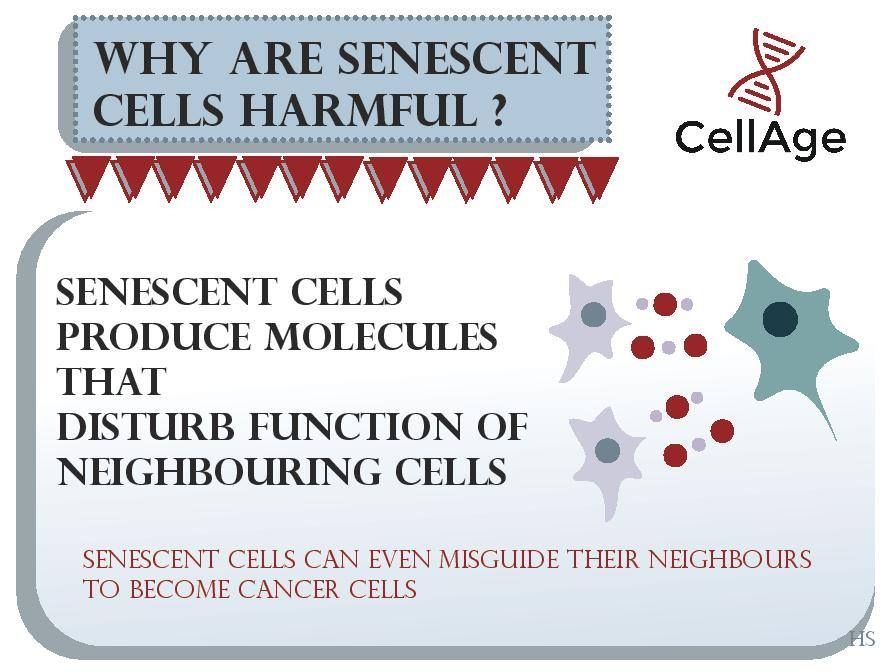
You can help us find ways to remove them and stay healthy!
Visit us at: https://www.lifespan.io/campaigns/cellage-targeting-senescen…c-biology/
Way cool.
Feb. 2 (UPI) — Scientists at the University of California, Santa Barbara want to study the effects of various mechanical forces on individual brain cells. Until now, however, researchers didn’t have the right tools.
To study brain impacts at the nanoscale, researchers built the world’s tiniest hammer — the μHammer, or “microHammer.” The μHammer is a cellular-scale machine capable of applying a variety of mechanical forces to neural progenitor cells, brain-centric stem cells. Eventually, scientists hope to use the hammer to apply forces to neurons and neural tissue.
The hammer piggybacks on existing cell-sorting technology which isolates individual cells for diagnostics and immunotherapy. Once isolated, the machine can apply a range of forces. Post-impact structural and biomechanical analysis will allow scientists study the effects of focus in near real-time.
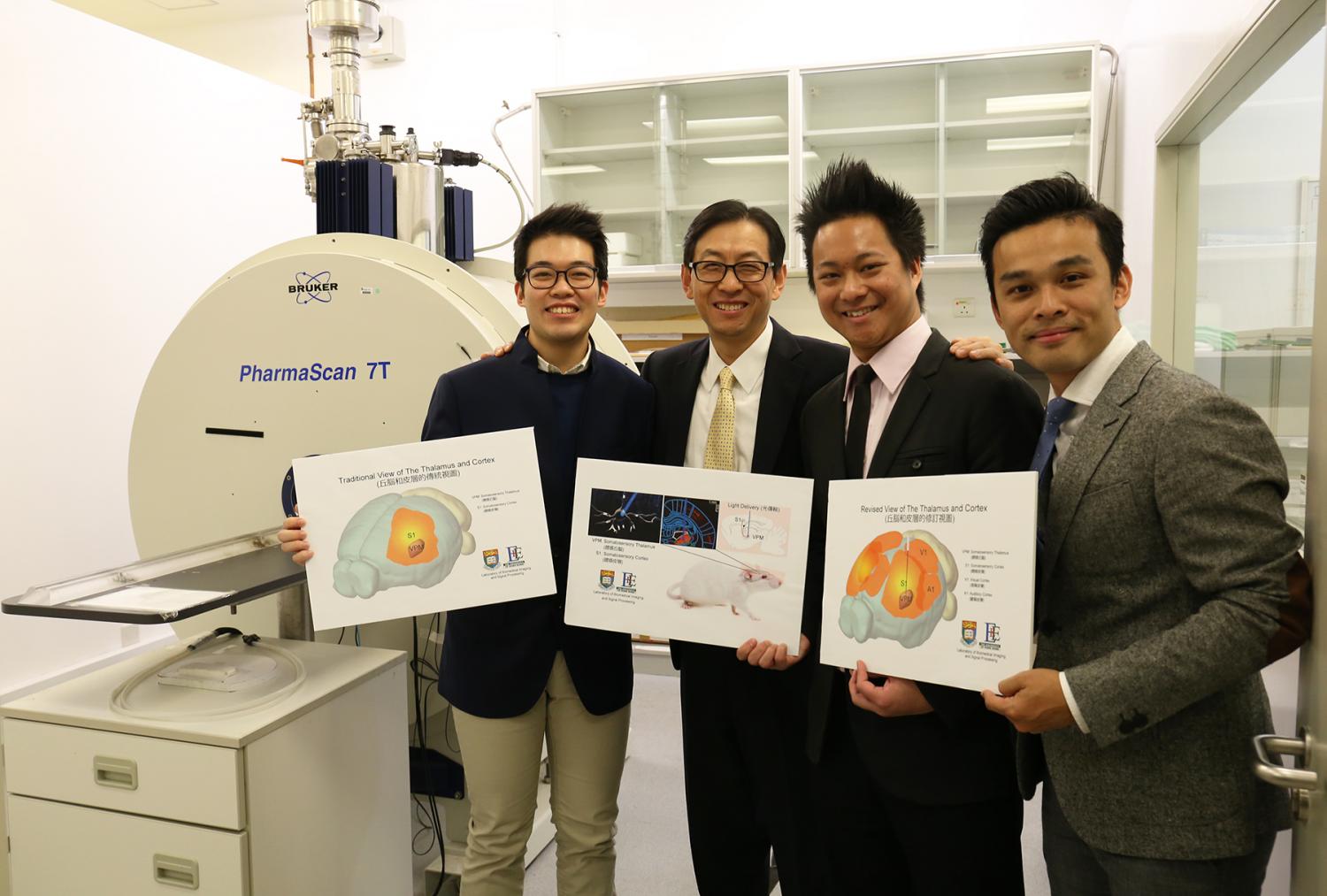
A research team led by Professor Ed X. Wu of the Department of Electrical and Electronic Engineering at the University of Hong Kong has used an innovative neuroimaging tool to interrogate the complex brain networks and functions.
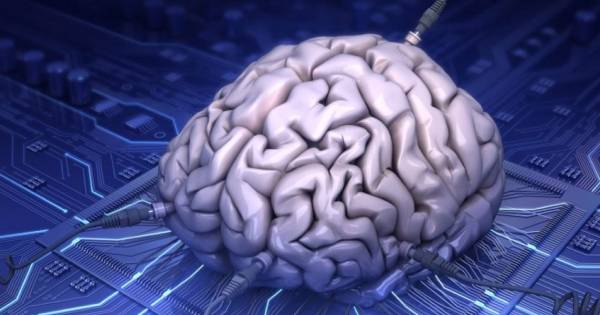
The team has successfully manipulated two pioneering technologies: optogenetics and functional magnetic resonance imaging (fMRI), for investigation of the dynamics underlying brain activity propagation. Their breakthrough to simultaneously capture large-scale brain-wide neural activity propagation and interaction dynamics, while examining their functional roles has taken scientists a step further in unravelling the mysteries of the brain. It could lead to the development of new neurotechnologies for early diagnosis and intervention of brain diseases including autism, Alzheimer’s disease or dementia.
The findings have recently been published in the prestigious international academic journal Proceedings of the National Academy of Sciences (PNAS).
Interesting read especially as we look at various areas including synbio and super humans.
The results are significant for gene therapy procedures and for our understanding of cell transformation. A team of researchers from the biology department at TU Darmstadt has discovered that the processes for repairing DNA damage are far more complex than previously assumed. The ends of breaks in the double helix are not just joined, they are first changed in a meticulously choreographed process so that the original genetic information can be restored. The results have now been published in the research journal Molecular Cell.
DNA, the carrier of our genetic information, is exposed to continual damage. In the most serious damage of all, the DNA double-strand break, both strands of the double helix are broken and the helix is divided in two. If breaks like this are not efficiently repaired by the cell, important genetic information is lost. This is often accompanied by the death of the cell, or leads to permanent genetic changes and cell transformation. Over the course of evolution, ways to repair this DNA damage have developed, in which many enzymes work together to restore the genetic information with the maximum possible precision.
As it stands today, there are two main ways of repairing DNA double-strand breaks, which differ greatly in terms of their precision and complexity. The apparently simpler method, so-called non-homologous end joining, joins together the break ends as quickly as possible, without placing particular importance on accurately restoring the damaged genetic information. The second method of repair, homologous recombination, on the other hand, uses the exactly identical information present on a sister copy to repair the damaged DNA with great precision. However, such sister copies are only present in dividing cells, as the genetic information has to be duplicated before the cells divide. But most cells in the human body do not undergo division, which therefore assigns them to the apparently more inaccurate method of end joining.
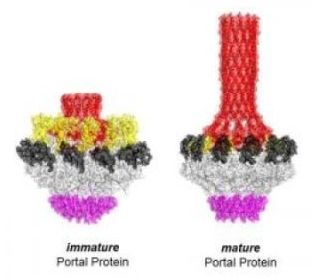
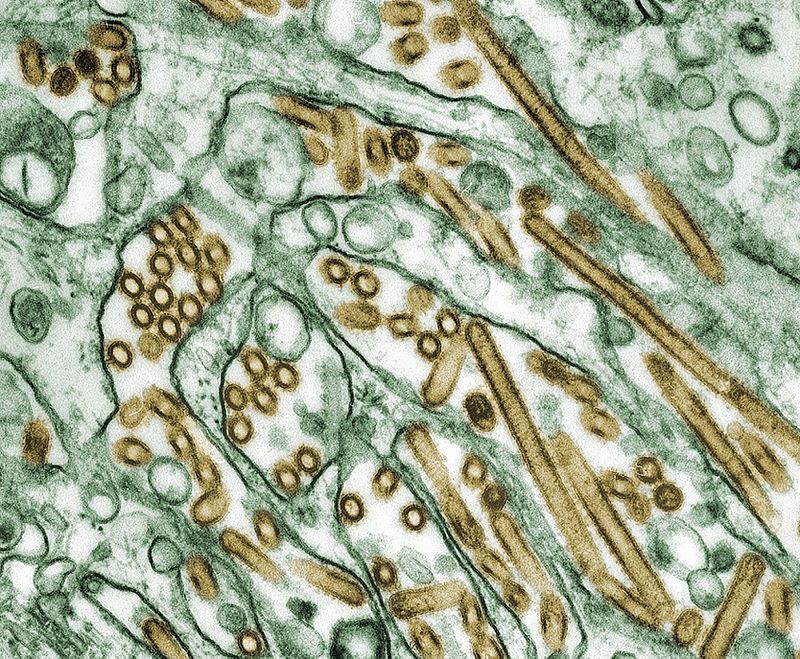
To generate swarms of new viral particles, a virus hijacks a cell into producing masses of self-assembling cages that are then loaded with the genetic blueprint for the next infection. But the picture of how that DNA is loaded into those viral cages, or capsids, was blurry, especially for two of the most common types of DNA virus on earth, bacterial viruses and human herpesvirus. Jefferson researchers pieced together the three-dimensional atomic structure of a doughnut-shaped protein that acts like a door or ‘portal’ for the DNA to get in and out of the capsid, and have now discovered that this protein begins to transform its structure when it comes into contact with DNA. Their work published in Nature Communications.
“Researchers thought that the portal protein acts as an inert passageway for DNA,” says senior author Gino Cingolani, Ph.D., a Professor in the Department of Biochemistry and Molecular Biology at Thomas Jefferson University and researcher at the Sidney Kimmel Cancer Center. “We have shown that the portal is much more like a sensor that essentially helps measure out an appropriate length of DNA for each capsid particle, ensuring faithful production of new viral particles.”
The finding solves a longstanding puzzle in the field, and reveals a potential drug target for one of the most common human viral pathogens, herpesviruses, which is responsible for diseases such as chicken pox, mononucleosis, lymphomas and Kaposi sarcoma.
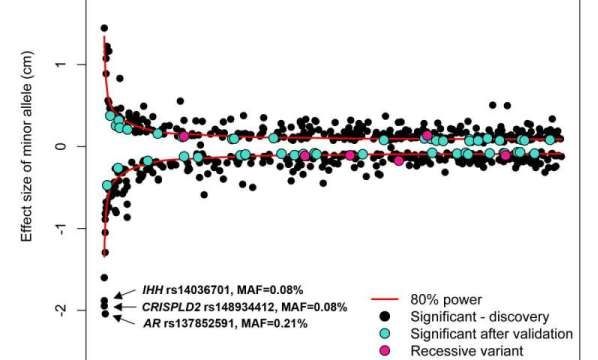
An international team of researchers has identified 83 new DNA changes that strongly determine human height as well as also help predict a person’s risk of developing certain growth disorders.
Height is mostly determined by the information encoded in the human DNA — children from tall parents tend to be taller and those from short parents are shorter.
“Of these 83 genetic variations, some influence adult height by more than 2 cm, which is enormous,” said Guillaume Lettre, Professor at Montreal Heart Institute in Canada.
Bring to life those old biology and museum specimens back to life. Sort of.
Let’s see Ray Kurzweils prediction of bringing people back from the dead may not be that too far off with this recent discovery. BTW — he may be interested in this one.
(Natural News) Rare animals have been sitting in glass jars on museum shelves across the world for decades, but very little is often known about these specimens. And many people would say that is exactly where they belong: on a shelf, as an object of the past simply to be remembered and admired from afar.
However, a recent scientific breakthrough may be able to breathe new life into these long-extinct species. A new technique for extracting DNA has been developed, and it’s something researchers believe could be used to help bring these long-gone animals into the realm of genomic study. (RELATED: Follow more news about scientific breakthroughs at Scientific.news)
Rare animal specimens are kept in liquid-filled jars as a form of preservation. The liquid preservative, such as formalin, often come with consequences, however. As these creatures are left in the liquid, there is a large amount of DNA fragmenting going on — which makes them less than ideal subjects for DNA extraction.