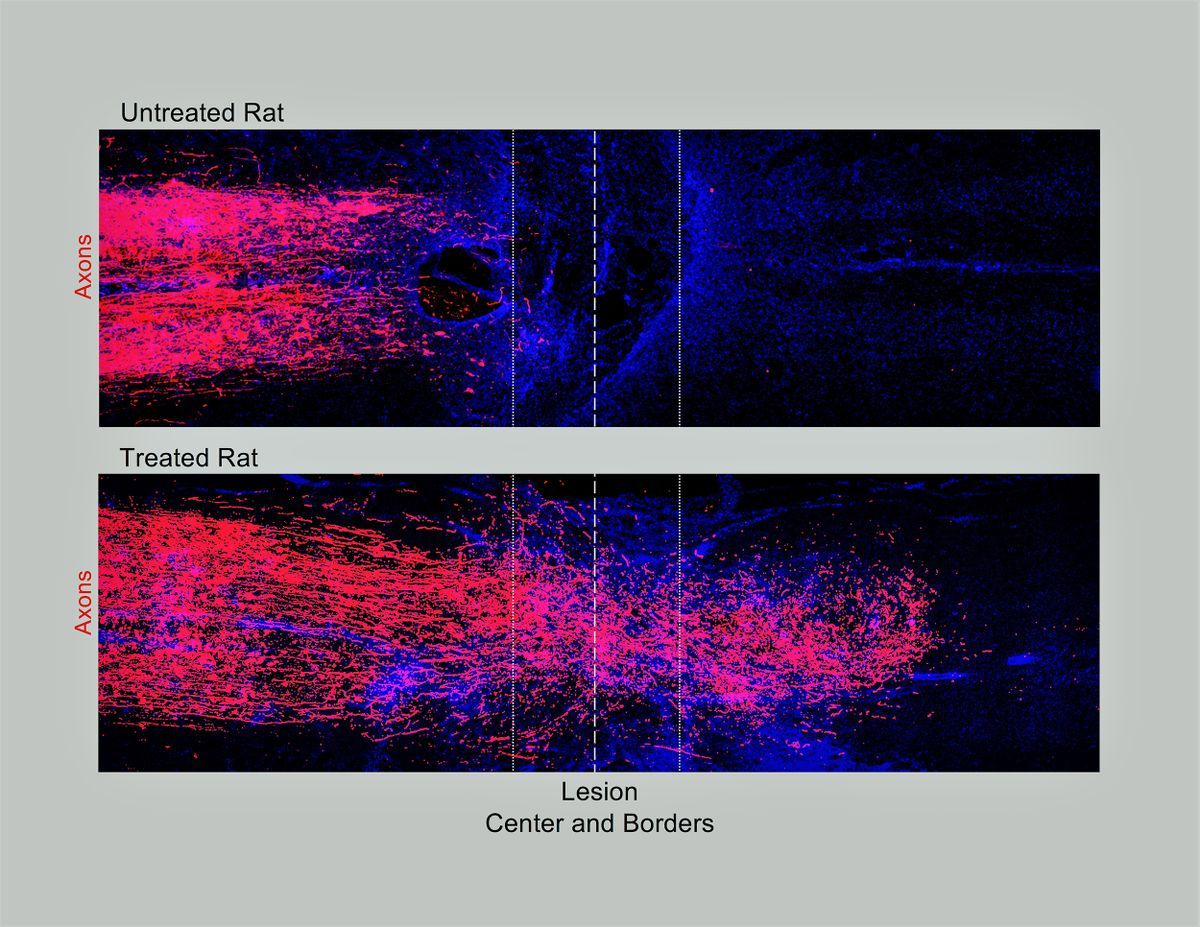
Findings from the UCLA study could lead to new treatments for patients.
Category: biotech/medical – Page 3,409

The Potential of Deep Learning Technology to Transform Health Care
In this Viewpoint, Geoffrey Hinton of Google’s Brain Team discusses the basics of neural networks: their underlying data structures, how they can be trained and combined to process complex health data sets, and future prospects for harnessing their unsupervised learning to clinical challenges.
Watch This Robot Spider Come to Life
This robot spider could one day be used in medical procedures.
Neuralink: How The Human Brain Will Download Directly From a Computer
As an immediate application, Neural Lace could potentially help patients suffering from brain injuries and certain illnesses. However, the utimate goal and mission of Neuralink are to successfully merge the human brain with machine, fusing human intelligence with Artificial Intelligence. As a result, this is expected to bring humanity up to a higher level of cognitive reasoning.
Neural Lace: How it works
At some point, Neural Lace is going to enable humans to upload and download information directly from a computer. Just in a similar way how Neo from the Matrix does in order to learn new skills and acquire new information.
New pill could see humans live to 150 ‘for the price of a coffee’
An extraordinary new anti-ageing technique could see humans live to 150 years old and allow them to regrow their organs by 2020.
Harvard Professor David Sinclair and researchers from the University of New South Wales developed the new process, which involves reprogramming cells.
Dr Sinclair said the technique could allow people to regenerate organs, and even allow paralysis sufferers to move again, with human trials due within two years.
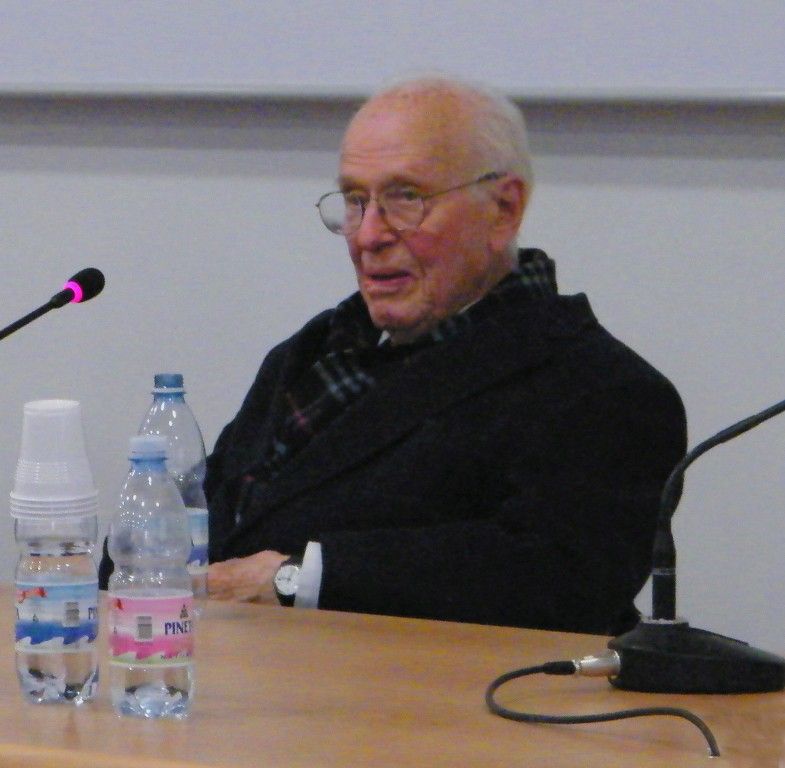
The man who tried to catalog humanity
Luigi Luca Cavalli-Sforza, known simply as “Luca” to generations of human geneticists, died this week at age 96. More than any other human geneticist, Cavalli-Sforza believed in the potential of genes and culture together to trace humanity’s origins. In the course of his work, he pioneered new ideas and models that brought together these two distinct areas of science.
Like most scientists, many of his ideas would turn out to be wrong in the details. But his work helped form the foundation of our current knowledge of human genome variation across the world.
In 1991, Cavalli-Sforza wrote an essay for Scientific American that explained the course of his life’s work to that point. He recollected a time as a young man when he worked in the Cambridge laboratory of Ronald A. Fisher, one of the founders of modern evolutionary theory.
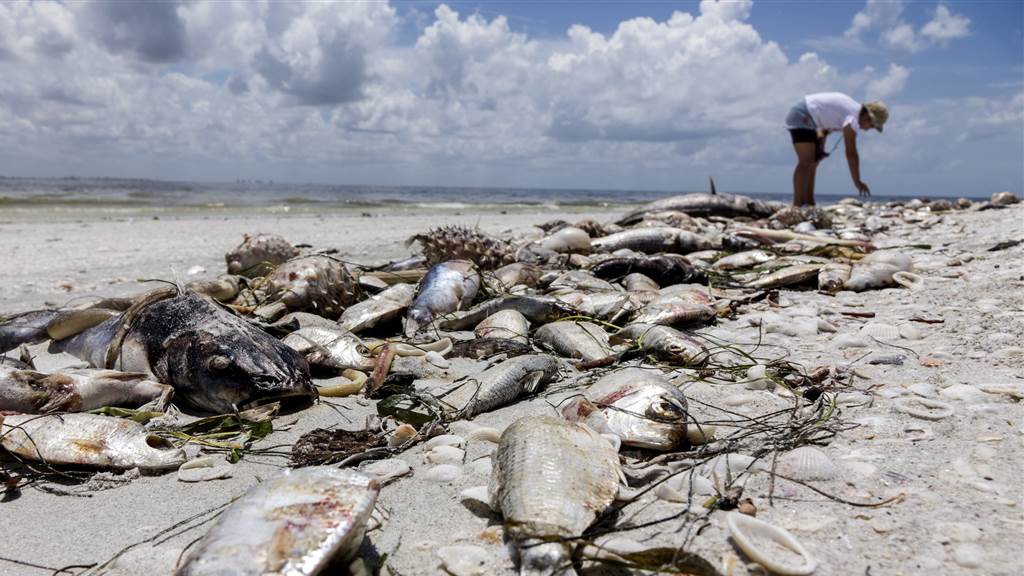
As Florida’s toxic red tide stretches on, residents report health problems
The red tide that is choking Florida’s southwest coast is causing symptoms including coughs, headaches and shortness of breath, local doctors say.
66% of Cancers Are Caused by DNA Error, Not Environment or Lifestyle, Finds Johns Hopkins Study
Two-thirds of all cancers are caused by DNA replication errors, according to Johns Hopkins researchers. But don’t light a celebratory cigarette just yet.

Artificial intelligence spots obesity from space
Satellite images could help target public health interventions.
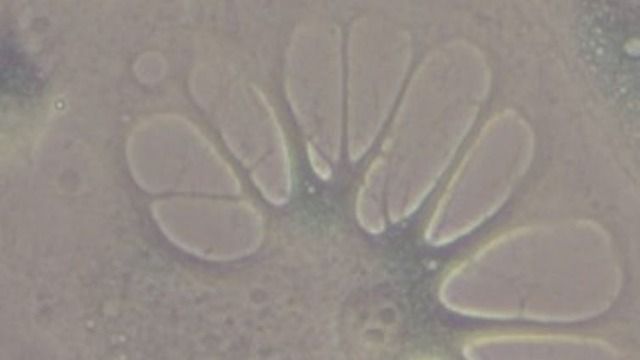
Ageing in Human Cells Successfully Reversed in the Lab
The ability to reverse ageing is something many people would hope to see in their lifetime. This is still a long way from reality, but in our latest experiment, we have reversed the ageing of human cells, which could provide the basis for future anti-degeneration drugs.
Ageing can be viewed as the progressive decline in bodily function and is linked with most of the common chronic diseases that humans suffer from, such as cancer, diabetes and dementia. There are many reasons why our cells and tissues stop functioning, but a new focus in the biology of ageing is the accumulation of “senescent” cells in the tissues and organs.
Senescent cells are older deteriorated cells that do not function as they should, but also compromise the function of cells around them. Removal of these old dysfunctional cells has been shown to improve many features of ageing in animals such as the delayed onset of cataracts.