Toggle light / dark theme

AP Exclusive: First gene-edited babies claimed in China

And so it begins…


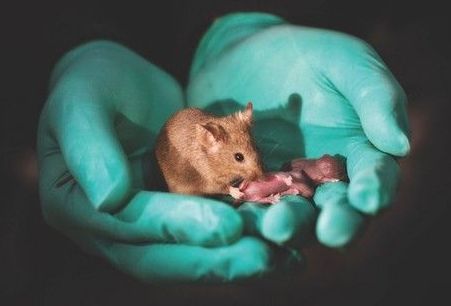
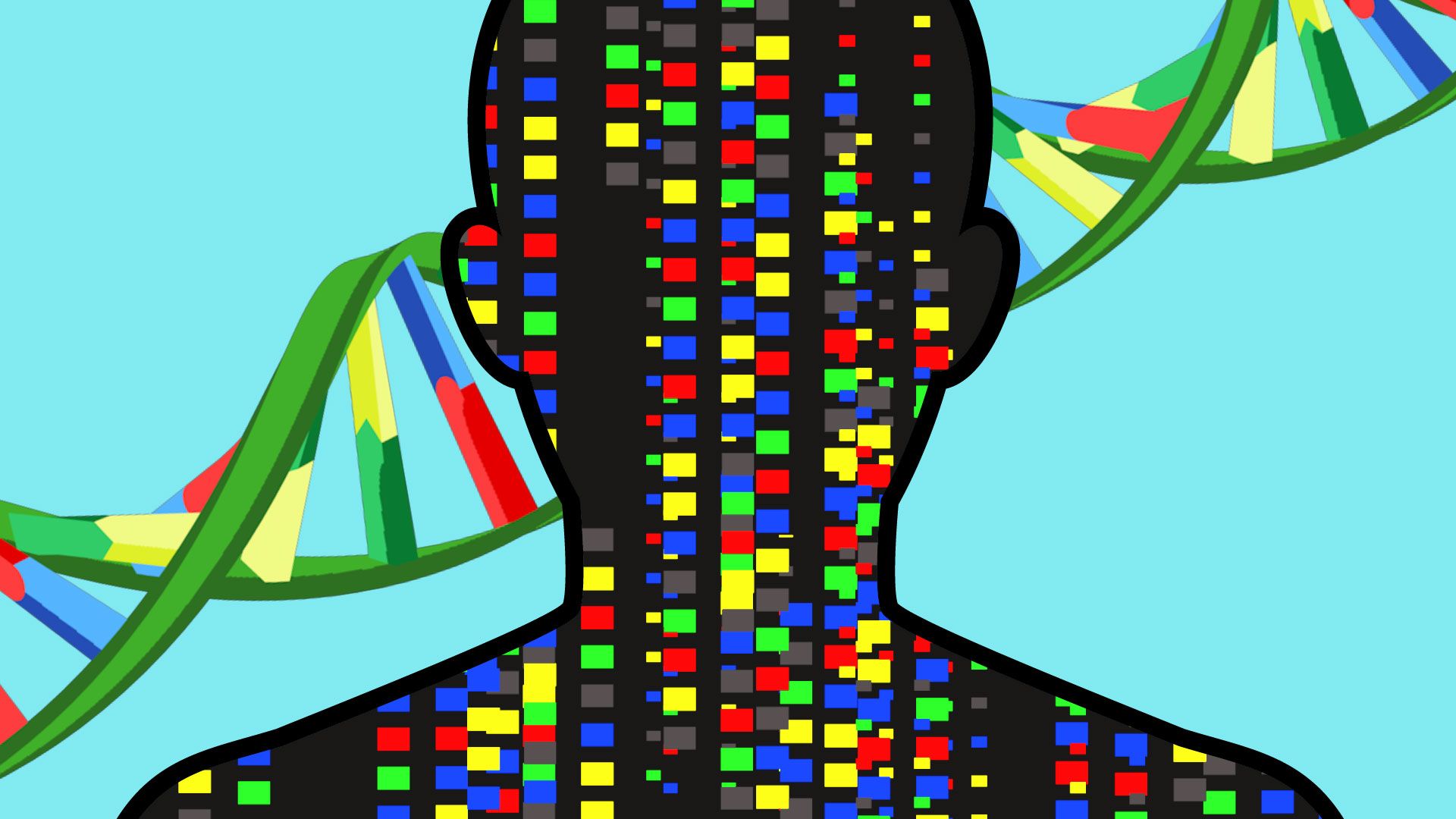
HONG KONG (AP) — A Chinese researcher claims that he helped make the world’s first genetically edited babies — twin girls born this month whose DNA he said he altered with a powerful new tool capable of rewriting the very blueprint of life. If true, it would be a profound leap of science and ethics. A U.S. scientist said he took part in the work in China, but this kind of gene editing is banned in the United States because the DNA changes can pass to future generations and it risks harming other genes. Many mainstream scientists think it’s too unsafe to try, and some denounced the Chinese report as human experimentation.
Augmented Reality to Change Surgery Techniques

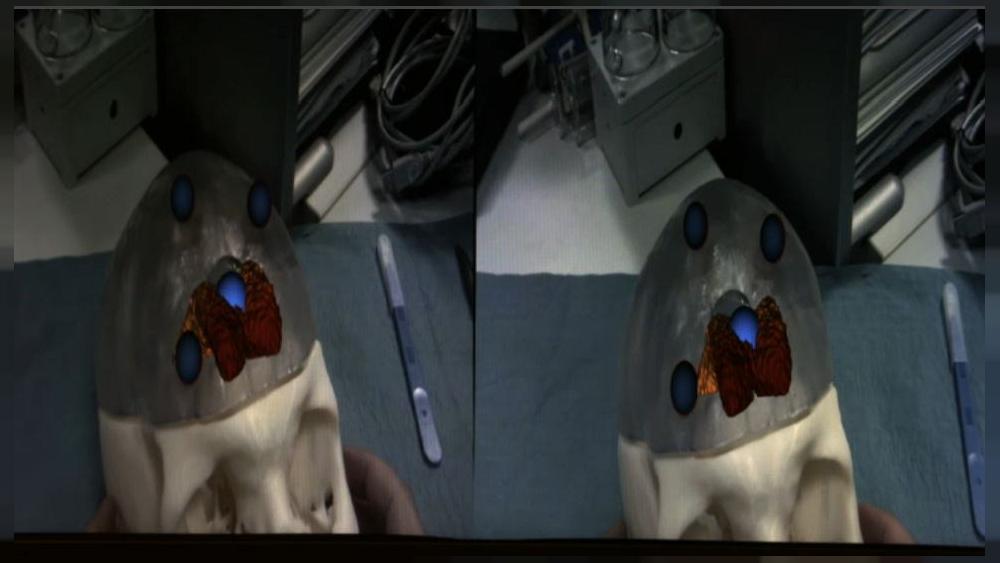
Mounting an augmented reality device to a surgeon’s head — pioneering new research promises to save thousands of lives by merging classic techniques with modern technology.

At Pisa’s University, in Italy, researchers of the Vostars project, are working to develop a new kind of surgical visor in a bid to improve accuracy of interventions and reducing surgery times by at least 11%.

“The reality is of course the operating field, the anatomy that is in front of the surgeon; on this reality, we insert a virtual information that is acquired from the radiological images of the same patient. ”explained Vincenzo Ferrari, a biomedical engineer turned project coordinator for Vostars.

Spinal-cord stimulators mean big business for device makers

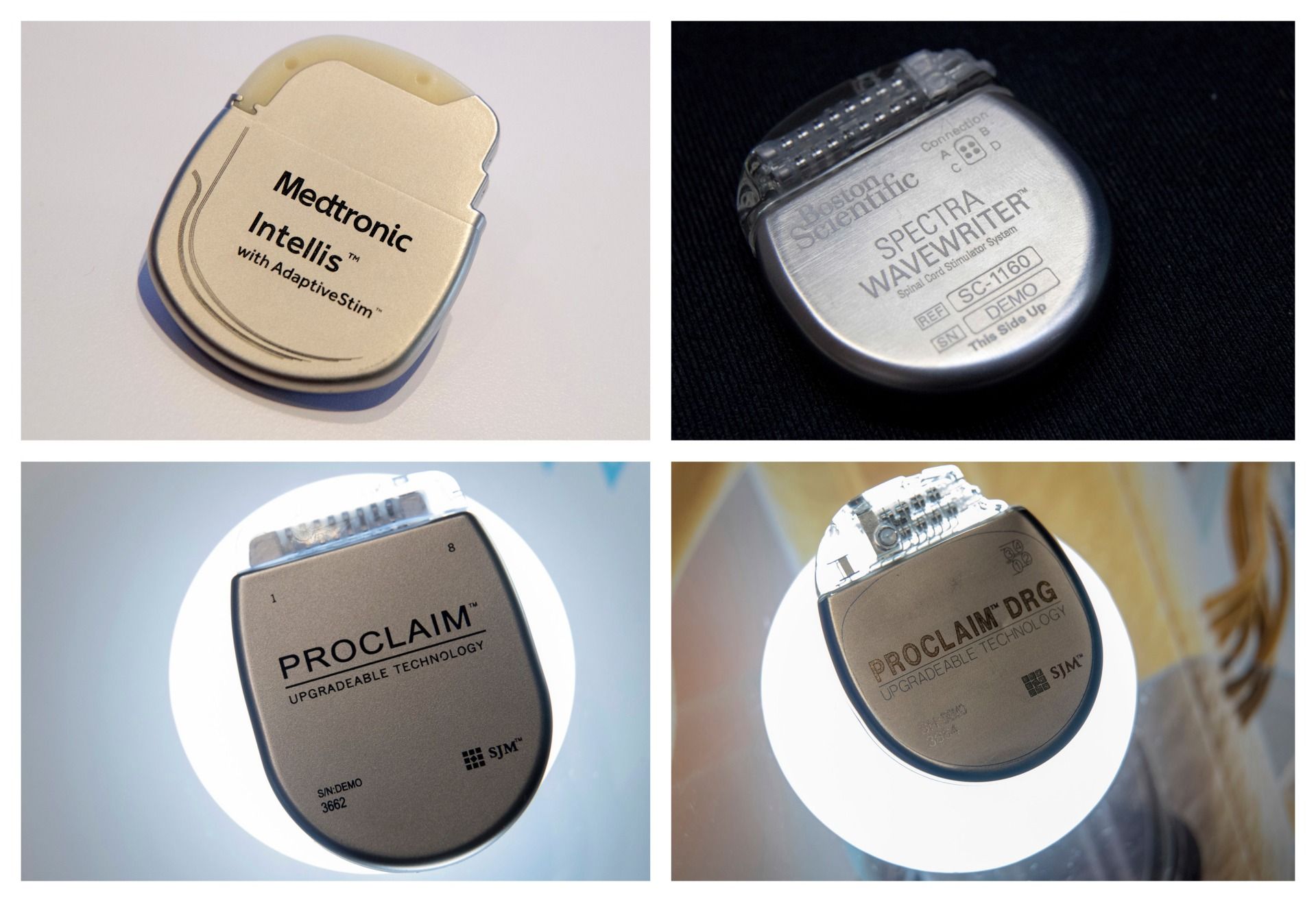
Few medical devices hold as much potential for explosive growth as spinal-cord stimulators, especially in the United States, where they are being pushed as the answer to the country’s opioid epidemic.

Continue Reading Below

The global market for spinal-cord stimulators has grown from $300 million in 2001 to nearly $2 billion in 2017, according to an estimate by Nevro, a Redwood City, California, company that manufactures the devices.

How high-tech toilets could soon be tracking your every movement

The bathroom is arguably the last bastion of privacy, but soon a new high-tech lavatory could be tracking your every movement.

Researchers at the European Space Agency (ESA) and MIT have teamed up with sanitation specialists to create the ‘FitLoo’ which screens human waste for early signs of disease.

Data gathered by the sensors in the toilet bowl could be beamed to the users mobile phone so they can see how their health is changing or even directly to the GP so they could keep a remote eye on patients.

A Bold New Strategy for Stopping the Rise of Superbugs

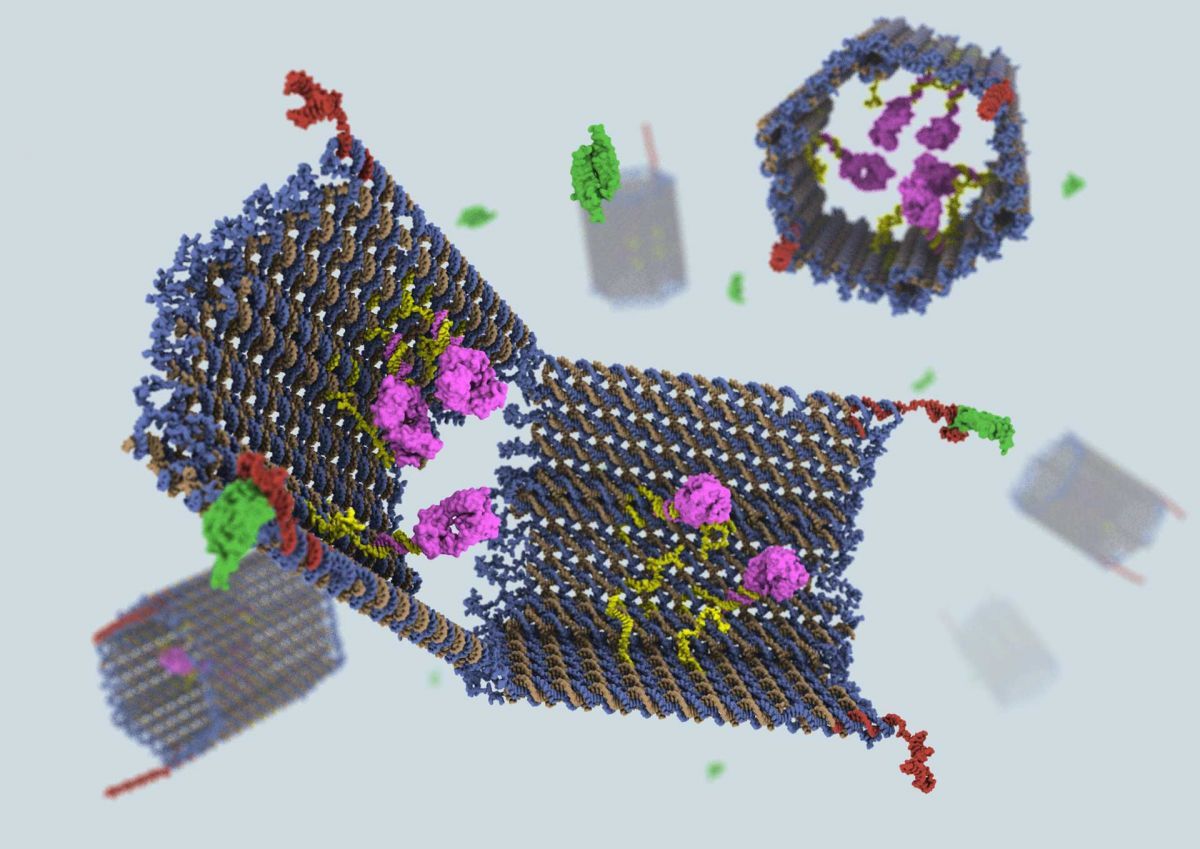
Over the past 90 years, scientists have discovered hundreds of antibiotics—microbe-killing drugs that have brought many pernicious diseases to heel. But every time researchers identify a new drug, bacteria inevitably evolve to resist it within a matter of years. We thrust; they parry. Now, with the flow of new antibiotics having dried up for decades, our stalemated duel with infectious bacteria threatens to end in outright defeat. Superbugs are ascendant around the world, including those that resist all commonly used drugs.


Scientists have pinpointed a molecule that accelerates the evolution of drug-resistant microbes. Now they’re trying to find a way to block it.