
A large team of researchers has developed a new way to classify patients with Alzheimer’s disease, suggesting we should think of the disease as six distinctly different conditions instead of one single disease.
Category: biotech/medical – Page 3,356
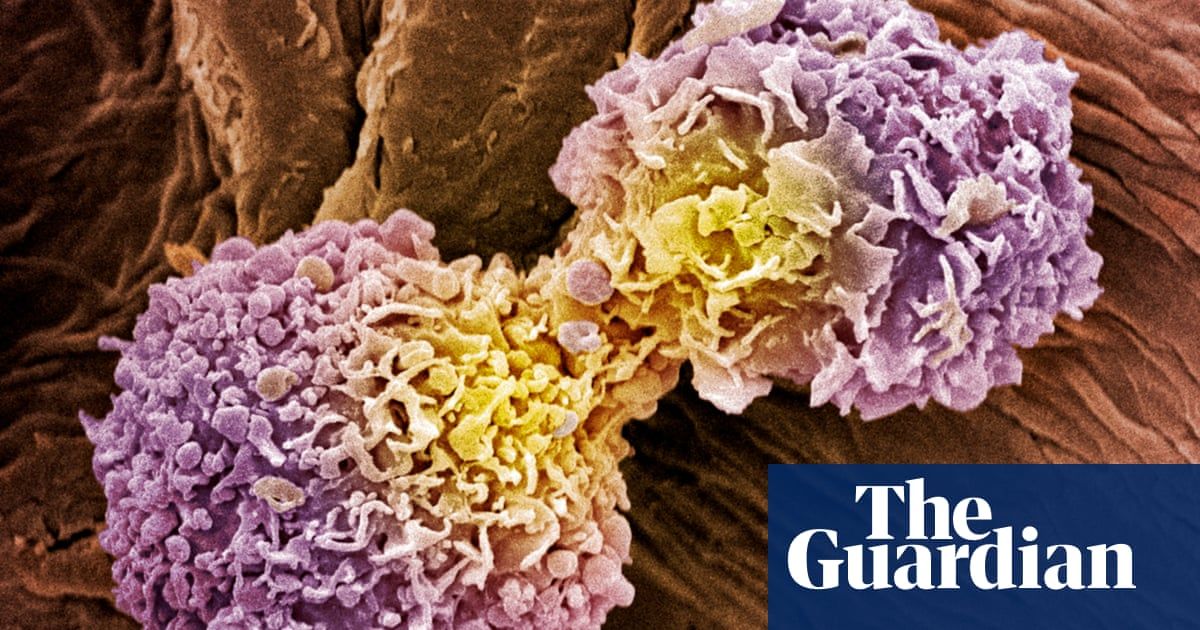
Scientists develop 10-minute universal cancer test
Inexpensive procedure shows whether patient has cancerous cells in the body, but does not reveal where or how serious it is.
Scientists say they’re one step closer to being able to build a new you, using your own stem cells
One of the biggest obstacles to transplanting organs from one person to another is that the immune system of the person getting the new life-saving organ often tries to reject it. The immune cells see the new material as “foreign” and attacks it, sometimes destroying it.
Right now, the only way to prevent that is by using powerful immunosuppressive drugs to keep the patient’s immune system at bay and protect the new organ. It’s effective, but it also comes with some long-term health consequences.
But now researchers at Tel Aviv University in Israel say they may have found a way around that, using the patient’s own stem cells.
LEAF at the Eurosymposium on Healthy Ageing
The Fourth Eurosymposium on Healthy Ageing (EHA) was held in Brussels on November 8–10, 2018, and we had the opportunity to give talks about aging, advocacy, and engaging new audiences.
The EHA is a conference hosted every two years by Heales, and it sees like-minded people from the research and advocacy community come together to share knowledge and listen to talks from various researchers and other experts in the field. We were very pleased to be invited to give two presentations during the conference and share our knowledge and experience with the audience there.
LEAF staff writer Nicola Bagalà gave a talk about the social issues relating to rejuvenation biotechnology, including the global need for longer, healthier lives, reasons for public skepticism, and the common pitfalls of advocacy.
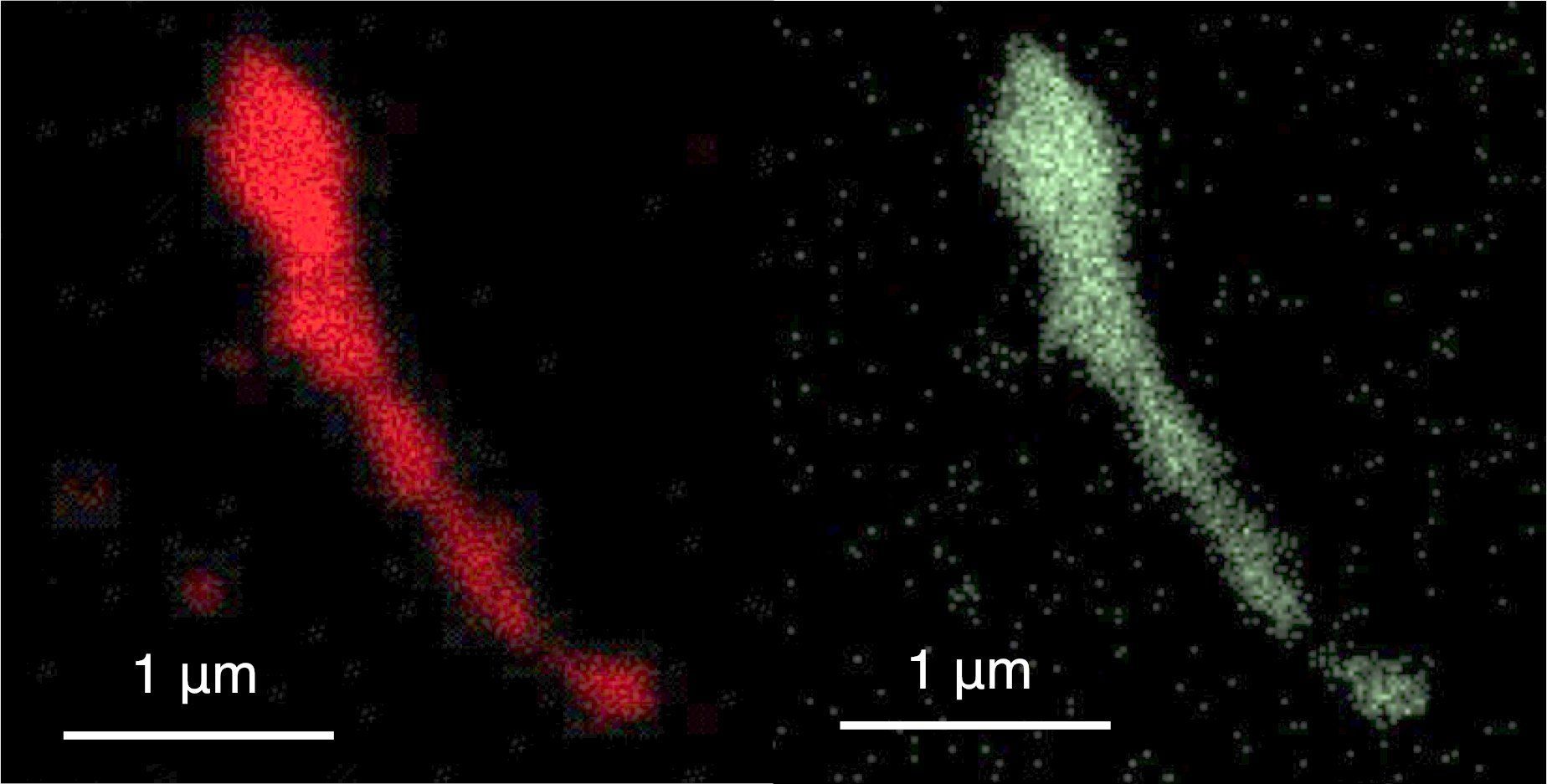
Researchers use a virus to speed up modern computers
In a groundbreaking study, researchers have successfully developed a method that could lead to unprecedented advances in computer speed and efficiency.
Bioquark — Electroceuticals — Real Bodies
Stefania De Matteo of HealthQe at Real Bodies Milan giving an overview of some of the new bio-physical tools (https://www.youtube.com/watch?v=HwPANPNRY4g) being developed for a 2019 biotech world
With major pharma companies like GSK entering the “electro-ceuticals” space (and groups like RegenerAge Clinic beginning to utilize them in combinatorial protocols) we are seeing a re-emergence of these century old principles back into the mainstream bio-medical discussion
I suggest everyone acquire a copy of Dr. Richard Funk’s paper “Electromagnetic effects — From cell biology to medicine” to familiarize themselves with these topics, and how they will become a synergistic part of integrated solutions for human regeneration, disease reversion, and age reversal — https://www.researchgate.net/publication/23938298_Electromag…_medicine/
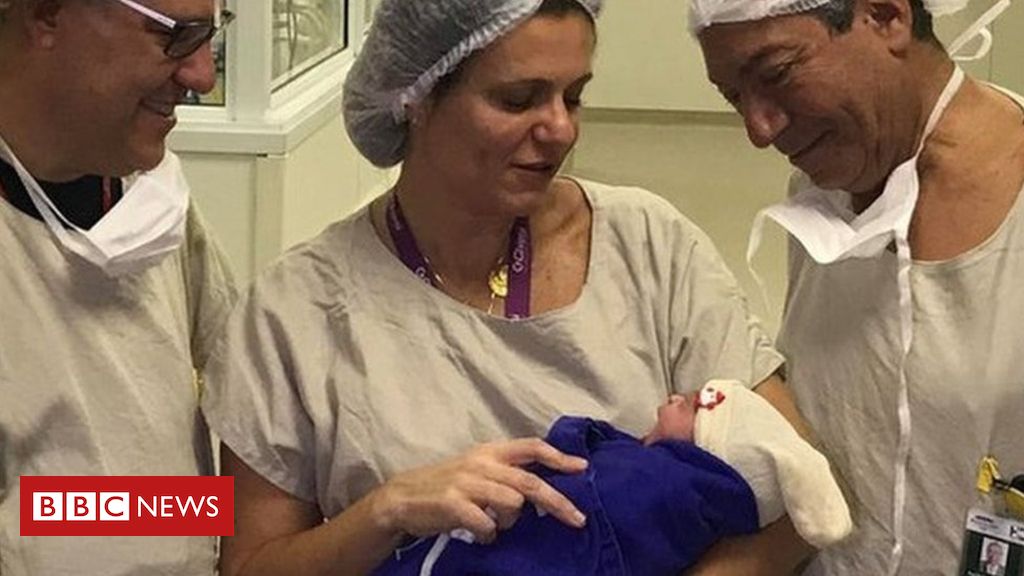
First baby born after deceased womb transplant
There have been 39 womb transplants using a live donor, including mothers donating their womb to their daughter, resulting in 11 babies.
But the 10 previous transplants from a dead donor have failed or resulted in miscarriage.
In this case, reported in The Lancet, the womb donor was a mother of three in her mid-40s who died from bleeding on the brain.

Scientists discover how a single workout can activate your metabolism for days
A fascinating new study from scientists at UT Southwestern Medical Center could provide some motivation to get moving, even just occasionally. The research has revealed that a single workout can positively affect the activity of neurons in the brain that influence metabolism for up to two days.
In World First, Woman Gives Birth After Receiving Uterus Transplant from Dead Donor
A team of doctors in Brazil have announced a medical first that could someday help countless women unable to have children because of a damaged or absent uterus. In a case report published Tuesday in the Lancet, they claim to have successfully helped a woman give birth using a transplanted uterus from a deceased donor.
According to the report, the team performed the operation on an unnamed 32-year-old woman in a Brazilian hospital in September 2016. The woman had been born with a rare genetic condition that left her without a uterus, known as Mayer-Rokitansky-Küster-Hauser syndrome, but she was otherwise healthy. The donor was a 45-year-old woman who had suddenly died of stroke; she had had three successful pregnancies delivered vaginally in the past.
The FDA just approved a drug that targets cancers based on DNA, rather than where the tumor is in your body
- The FDA on Monday approved a new cancer treatment in an unconventional way: not by tumor type, but rather by the genetic mutation the drug targets.
- The drug, Vitrakvi, was developed by Loxo Oncology in partnership with pharma giant Bayer.
- It’s only the second time the FDA has approved a cancer drug’s use based on a certain mutation rather than a particular tumor type.
The Food and Drug Administration on Monday took an unconventional approach to approving a new cancer drug.
The drug, Vitrakvi, was developed by Loxo Oncology. It’s the company’s first drug to get approved.