I have nothing against the idea of designer babies. Why not better ourselves through science? There will always be a baseline version of humanity kicking around, even if it’s in cold storage,thus ensuring that any mistakes made early on don’t destroy the species. Besides, the same technology that allows us to make ourselves better could just as easily be used to repair us if we do make a mistake of some kind. TOO much red-tape, as always.
Room: B-3245.
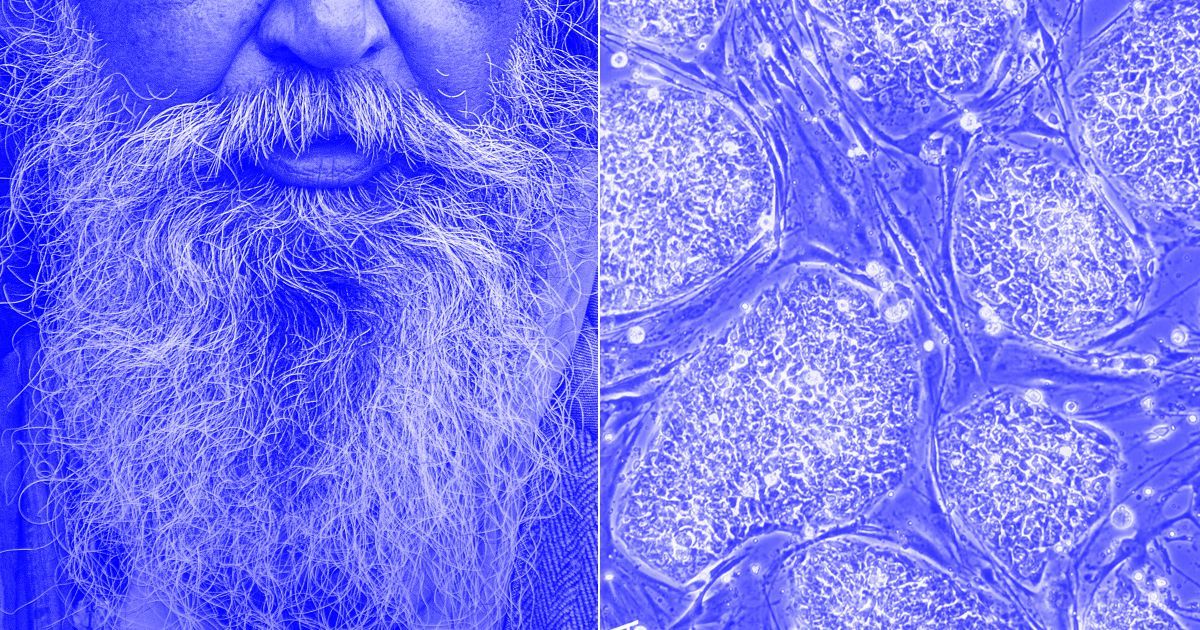
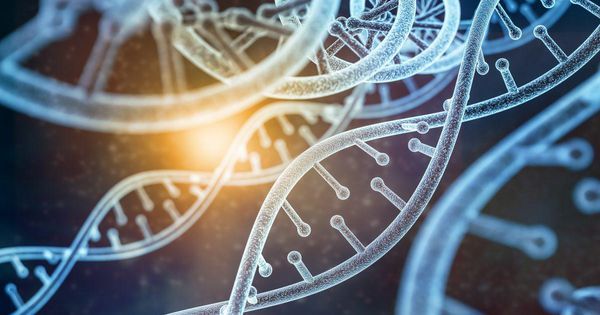
Recent discoveries and advances in medicine are setting the bioethical world on fire. Some technologies, such as CRISPR-Cas9 and fast DNA sequencing techniques, have tremendously increased our control over our own genome. GMOs, Gene Therapy and life extension are examples of applications of our new gained knowledge in genetics. For more than a few, the thought of scientists playing with the fundamental building blocks of life brings an uneasy feeling. Yet, what are the scientists really doing?
As technologies keep on advancing, it is crucial to question ourselves on the implications of genetic research, and the first step to do so is to understand what is being done in the laboratories. The goal of this presentation is to convey reliable information on the field of genomics to non-experts so that they can take on a rational stance on the issues at hand. Simultaneously, in the spirit of Philopolis, the presentation revolves around the philosophical question of what is natural and what is not.
Christophe Lachance-Brais and @[601985428:2048:Philippe Castonguay] will give the talk and animate the discussion.
The 1h presentation will be followed by a 30 minute discussion.


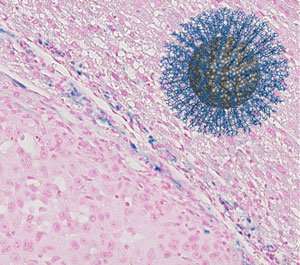
Photochemical tissue bonding (PTB) is a light-based method to repair tissues and is an alternative to traditional sutures and staples used to close wounds. Unlike the latter, PTB does not cause inflammation and scarring at the repair site. PTB works by applying light-sensitive Rose Bengal dye to the exposed tissue. When the dye is exposed to green light, the dye absorbs the light, thereby causing the tissue to crosslink and form a water-tight seal. While PTB can seal incisions sans inflammation, the technique is limited by how deep the light can penetrate the tissue. Researchers from the University of St Andrews and Harvard Medical School have developed a bioabsorable optical waveguide, which can deliver light deep into tissues before being absorbed.