Marijuana compound reduces mental decline in HIV patients.
Category: biotech/medical – Page 3,242
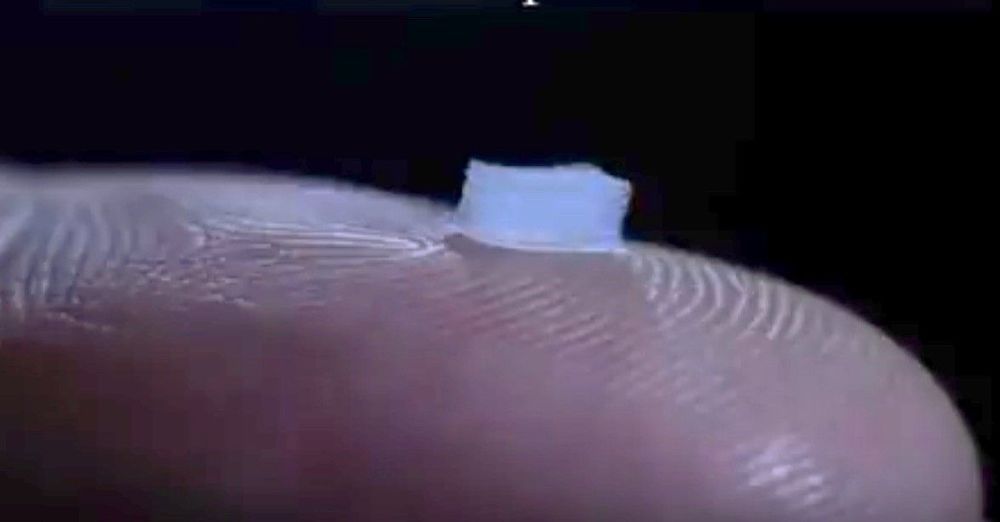
Using 3D printer to develop treatment for spinal cord injury
Spinal cord injuries (SCIs) affect approximately 300,000 Americans, with about 18,000 new cases occurring per year. One of these patients, Jake Javier, who we have written about many times over the past several years, received ten million stem cells as part of a CIRM-funded clinical trial and a video about his first year at Cal Poly depicts how these injuries can impact someone’s life.
Currently, there is nothing that completely reverses SCI damage and most treatment is aimed at rehabilitation and empowering patients to lead as normal a life as possible under the circumstances. Improved treatment options are necessary both to improve patients’ overall quality of life, and to reduce associated healthcare costs.
Scientists at UC San Diego’s School of Medicine and Institute of Engineering in Medicine have made critical progress in providing SCI patients with hope towards a more comprehensive and longer lasting treatment option.

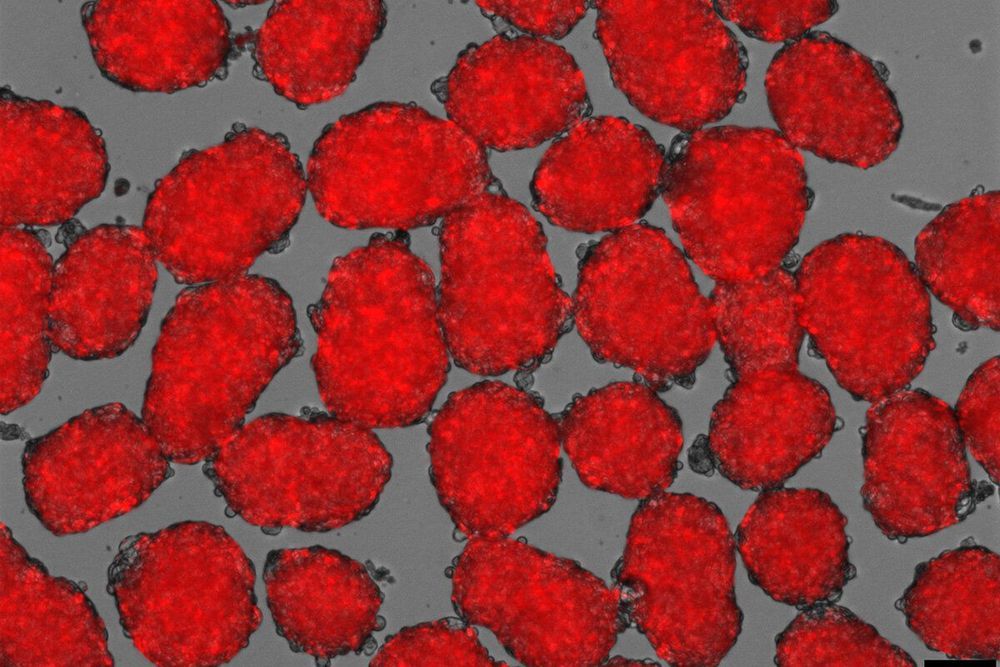
New hope for stem cell approach to treating diabetes
Scientists working to develop more effective treatments for diabetes are turning to stem cells. Such cells can be transformed into cells that produce insulin, the hormone that controls blood sugar.
But there’s a major challenge: the amount of insulin produced by theses cells is difficult to control.
Now, by tweaking the recipe for coaxing human stem cells into insulin-secreting beta cells, a team of researchers at Washington University School of Medicine in St. Louis has shown that the resulting cells are more responsive to fluctuating glucose levels in the blood.
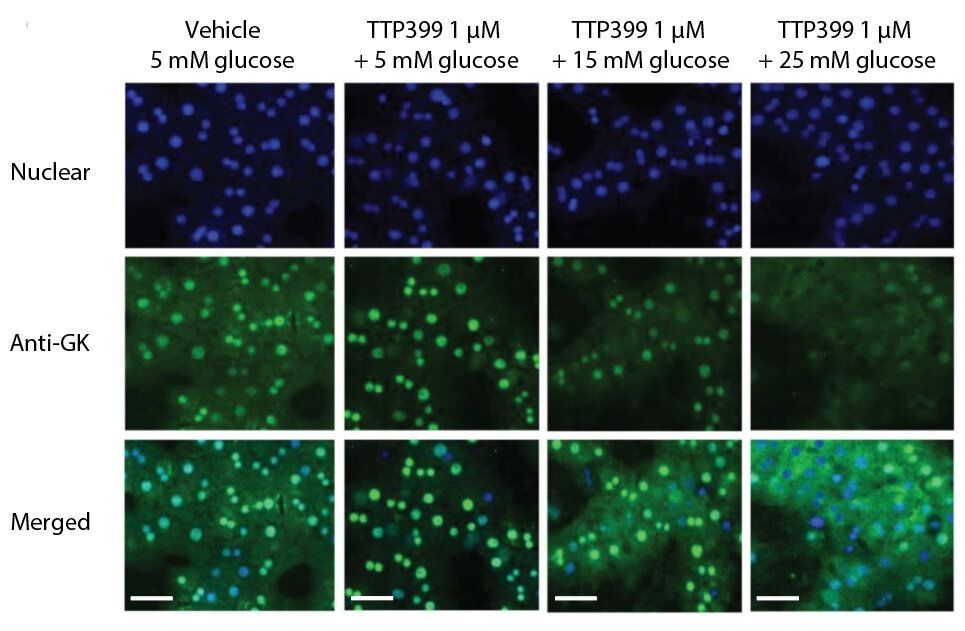
Experimental drug could be new option for type 2 diabetes
An experimental drug may help people with type 2 diabetes curb their blood sugar without causing it to drop to dangerously low levels.
Researchers found that the compound—dubbed TTP399 for now—improved patients’ blood sugar control when it was added to the standard medication metformin for six months.
And it did so without causing hypoglycemia—blood sugar drops that, if severe, can lead to convulsions or loss of consciousness.

Scientists create a renewable source of cancer-fighting T cells
A study by UCLA researchers is the first to demonstrate a technique for coaxing pluripotent stem cells—which can give rise to every cell type in the body and which can be grown indefinitely in the lab—into becoming mature T cells capable of killing tumor cells.
The technique uses structures called artificial thymic organoids, which work by mimicking the environment of the thymus, the organ in which T cells develop from blood stem cells.
T cells are cells of the immune system that fight infections, but also have the potential to eliminate cancer cells. The ability to create them from self-renewing pluripotent stem cells using the UCLA technique could lead to new approaches to cancer immunotherapy and could spur further research on T cell therapies for viral infections such as HIV, and autoimmune diseases. Among the technique’s most promising aspects is that it can be combined with gene editing approaches to create a virtually unlimited supply of T cells able to be used across large numbers of patients, without the need to use a patient’s own T cells.

Hundreds of genes affecting tobacco and alcohol use discovered
Tobacco and alcohol use, both genetically inheritable behaviors, influence risk for many complex diseases and disorders and are leading causes of mortality.
The University of Minnesota was part of a research collaboration that conducted the first study, recently published in Nature Genetics, to identify hundreds of genomic locations associated with addictive behaviors. Researchers found more than 500 genetic variants that affect the use of and addiction to tobacco and alcohol. Until now, only a few of such variants had been identified.
Researchers studied 1.2 million people and looked five characteristics including the age when a participant began smoking; the number of cigarettes per day the participant smoked; whether the participant has ever been a regular smoker; whether the participant ever quit smoking; and the number of alcoholic drinks the participant had per week.
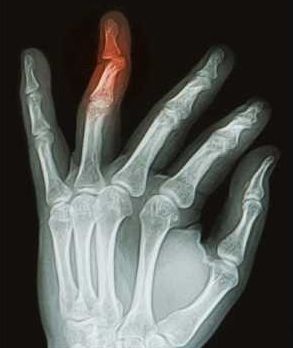
New Material Could Drive Wound Healing
Imperial researchers have developed a new bioinspired material that interacts with surrounding tissues to promote healing.
Materials are widely used to help heal wounds: Collagen sponges help treat burns and pressure sores, and scaffold-like implants are used to repair broken bones. However, the process of tissue repair changes over time, so scientists are looking to biomaterials that interact with tissues as healing takes place.
“Creatures from sea sponges to humans use cell movement to activate healing. Our approach mimics this by using the different cell varieties in wounds to drive healing.” –Dr Ben Almquist, Department of Bioengineering.
Kill the Cancer Stem Cell, Kill the Cancer: How One Biotech is Hitting Cancer at the Cause
TORONTO, ON / ACCESSWIRE / January 10, 2019 / The Wealthy Biotech Trader (or” WBT”), an investment newsletter focused on showing everyday investors new opportunities in rapidly growing, little-known biotech, pharma, medical device stocks making news and subsequent market moves, would like to update investors on several breakthroughs in cancer therapies hitting the market.
Stock investors have soured on biotech companies over the past several months, as demonstrated by the SPDR S&P Biotech ETF (XBI), off 30% since June, and the NYSE Biotechnology Index (NYSE: NBI), which has dropped from 3500 in mid-2018 to just under 3000 at year-end, and a host of their component companies and others in addition. Still, there is innovation and competitive potential brewing in the market at publicly-traded companies that are flying below the radar. One of those is Propanc Biopharma, Inc. (OTCQB: PPCB), an Australian biotech company with strong management and technology that has the potential to help millions of cancer patients worldwide.
Propanc Biopharma, Inc. Company Overview

Fighting Deadly Drug Resistant Bacteria in Intestines with New Antibiotic
A new antibiotic developed by a Flinders University researcher is being heralded as a breakthrough in the war against a drug resistant superbug. Bacteria are winning the fight against antibiotics as they evolve to fight off traditional treatments, threatening decades of advancements in modern medicine, with predictions they will kill over 10 million people by 2050. The scientific development of new, effective and safe antibiotics is crucial in addressing the ever-growing threat posed by drug resistant bacteria around the world.
Clostridium difficile infection (CDI) is a potentially deadly infection in the large intestine most common in people who need to take antibiotics for a long period of time, particularly in Australia’s ageing population. Dr Ramiz Boulos, adjunct research associate at Flinders University and CEO of Boulos & Cooper Pharmaceuticsals, says the fact CDI is becoming resistant to traditional antibiotics is alarming and highlights the need to develop more effective treatments.
“Cases of CDI disease are rising and the strains are becoming more lethal. If there is an imbalance in your intestines it can begin to grow and release toxins that attack the lining of the intestines which leads to symptoms,” says Dr Boulos. Over the past ten years, various strains of C. difficile have emerged, and are associated with outbreaks of severe infections worldwide. One particular strain is easily transmitted between people and has been responsible for large outbreaks in hospitals in the United States and Europe. “It’s concerning when you consider CDI is one of the most common infections acquired during hospital visits in the Western hemisphere, and the most likely cause of diarrhea for patients and staff in hospitals.”