Toggle light / dark theme

Researchers shed light on repair mechanism for severe corneal injuries

More progress in repairing damage to the cornea which could have implications for aging research as well as for injury.


Media Contacts: Suzanne Day Media Relations, Mass. Eye and Ear 617−573−3897 [email protected]

New findings may pave the way for the development of pharmaceutical therapies to reverse corneal scarring

Boston, Mass. — In cases of severe ocular trauma involving the cornea, wound healing occurs following intervention, but at the cost of opaque scar tissue formation and damaged vision. Recent research has shown that mesenchymal stem cells (MSCs) — which can differentiate into a variety of cells, including bone, cartilage, muscle and fat cells — are capable of returning clarity to scarred corneas; however, the mechanisms by which this happens remained a mystery — until now. In a study published online today in Stem Cell Reports, researchers from Schepens Eye Research Institute of Massachusetts Eye and Ear have identified hepatocyte growth factor (HGF), secreted by MSCs, as the key factor responsible for promoting wound healing and reducing inflammation in preclinical models of corneal injury. Their findings suggest that HGF-based treatments may be effective in restoring vision in patients with severely scarred corneas.

Scientists Make Neurons Directly From Human Skin

Nice.


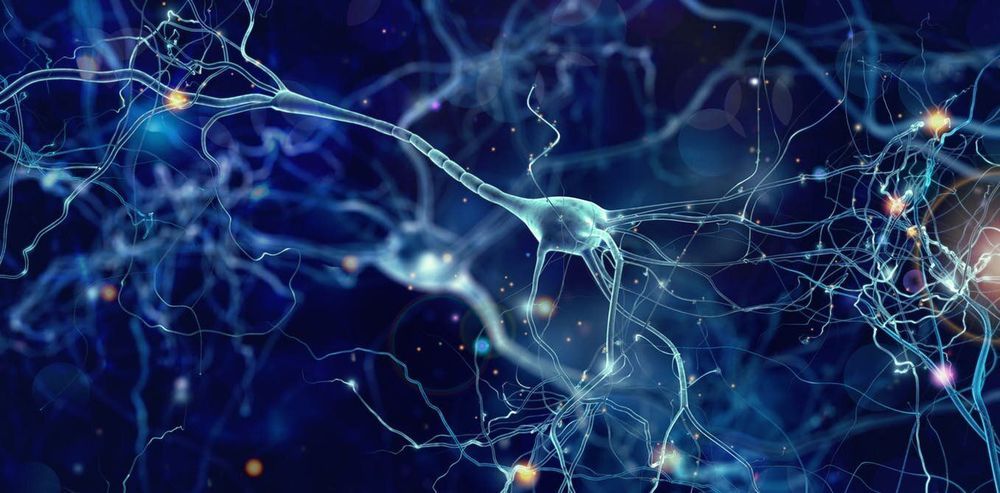
Researchers have come up with a way for making functional neurons directly from human skin cells, including those taken from patients with Alzheimer’s disease. Alzheimer’s Reading Room Asa Abeliovich The new method may offer a critical short cut for generating neurons for replacement therapies of the future, according to research published in the August 5th …“Scientists Make Neurons Directly From Human Skin”

Science, Technology, and the Future of Warfare

Nice POV read.


We know that emerging innovations within cutting-edge science and technology (S&T) areas carry the potential to revolutionize governmental structures, economies, and life as we know it. Yet, others have argued that such technologies could yield doomsday scenarios and that military applications of such technologies have even greater potential than nuclear weapons to radically change the balance of power. These S&T areas include robotics and autonomous unmanned system; artificial intelligence; biotechnology, including synthetic and systems biology; the cognitive neurosciences; nanotechnology, including stealth meta-materials; additive manufacturing (aka 3D printing); and the intersection of each with information and computing technologies, i.e., cyber-everything. These concepts and the underlying strategic importance were articulated at the multi-national level in NATO’s May 2010 New Strategic Concept paper: “Less predictable is the possibility that research breakthroughs will transform the technological battlefield … The most destructive periods of history tend to be those when the means of aggression have gained the upper hand in the art of waging war.”

As new and unpredicted technologies are emerging at a seemingly unprecedented pace globally, communication of those new discoveries is occurring faster than ever, meaning that the unique ownership of a new technology is no longer a sufficient position, if not impossible. They’re becoming cheaper and more readily available. In today’s world, recognition of the potential applications of a technology and a sense of purpose in exploiting it are far more important than simply having access to it.

While the suggestions like those that nanotechnology will enable a new class of weapons that will alter the geopolitical landscape remain unrealized, a number of unresolved security puzzles underlying emerging technologies have implications for international security, defense policy, deterrence, governance, and arms control regimes.

Dark Future Ahead 18 – News from the ‘Net of a Cyberpunk bent

Still keeping my optics working looking for news to apply to your cyberpunk games and writings.

A way to defend against counterfeit drugs and maybe food too, miniature edible barcodes. Inexpensive, practical and readable with a slight modification of a smart phone.

For some reason, the idea of edible food wrappers just seems very cyberpunk to me. Full of advertising and nutrition!

CRISPR Cas9: Will it Cure Aging? — Talk

How we can use CRISPR/Cas9 to treat the processes of aging.


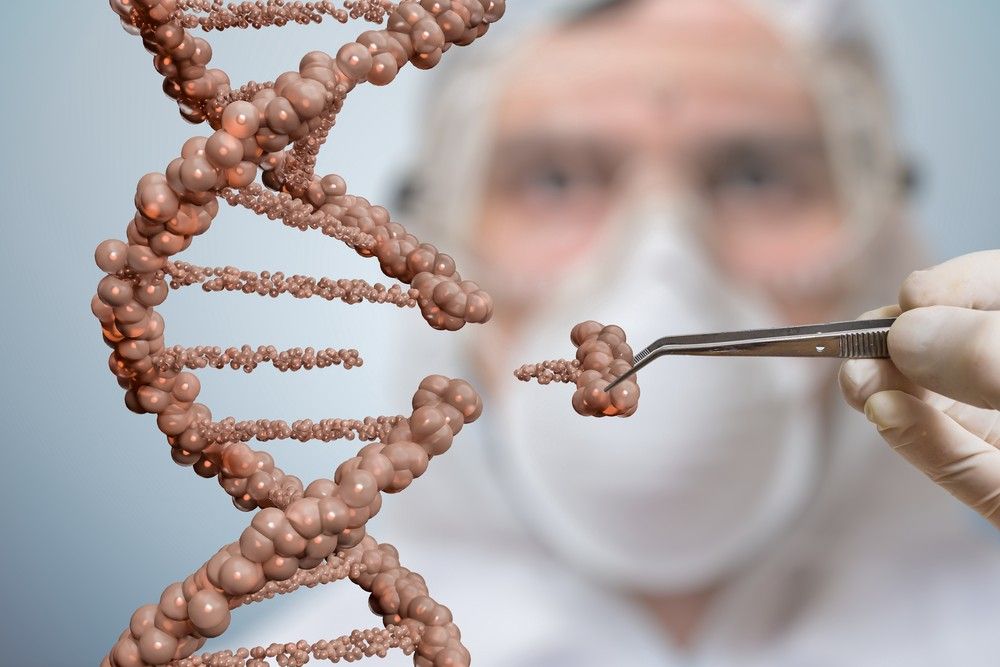
Oliver Medvedik, Cofounder of the Life Extension Advocacy Foundation and the Lifespan.io Crowdfunding platform, discusses the CRISPR/Cas9 gene editing system in depth and highlights how it may be used to help overcome the diseases and disabilities of aging. He also gives an overview of other promising areas in aging research, such as senescent cell-clearing drugs, or “senolytics”, and “augmentive” compounds that may help restore the body to youthful functionality.

Support our campaigns: https://www.lifespan.io/

Motion-directed robots on a micro scale

Phototactic behaviour directs some bacteria towards light and others into darkness: This enables them to utilize solar energy as efficiently as possible for their metabolism, or, otherwise, protects them from excessive light intensity. A team of researchers headed by Clemens Bechinger from the Max Planck Institute for Intelligent Systems and the University of Stuttgart, as well as colleagues from the University of Düsseldorf have now found a surprisingly simple way to direct synthetic microswimmers towards light or darkness. Their findings could eventually lead to minuscule robots that seek out and treat lesions in the human body.

/* */