A potential coronavirus vaccine developed in China appeared safe and able to generate an immune response after an early trial in more than 100 people.


It can be a gastrointestinal disease causing only diarrhea and abdominal pain. It can cause symptoms that may be confused with a cold or the flu. It can cause pinkeye, a runny nose, loss of taste and smell, muscle aches, fatigue, diarrhea, loss of appetite, nausea and vomiting, whole-body rashes, and areas of swelling and redness in just a few spots.
In a more severe disease, doctors have also reported people having heart rhythm problems, heart failure, kidney damage, confusion, headaches, seizures, Guillain-Barre syndrome, and fainting spells, along with new sugar control problems.
It’s not just a fever and coughing, leading to shortness of breath, like everyone thought at first.

High-quality data is the fuel that powers AI algorithms. Without a continual flow of labeled data, bottlenecks can occur and the algorithm will slowly get worse and add risk to the system.
It’s why labeled data is so critical for companies like Zoox, Cruise and Waymo, which use it to train machine learning models to develop and deploy autonomous vehicles. That need is what led to the creation of Scale AI, a startup that uses software and people to process and label image, lidar and map data for companies building machine learning algorithms. Companies working on autonomous vehicle technology make up a large swath of Scale’s customer base, although its platform is also used by Airbnb, Pinterest and OpenAI, among others.
The COVID-19 pandemic has slowed, or even halted, that flow of data as AV companies suspended testing on public roads — the means of collecting billions of images. Scale is hoping to turn the tap back on, and for free.
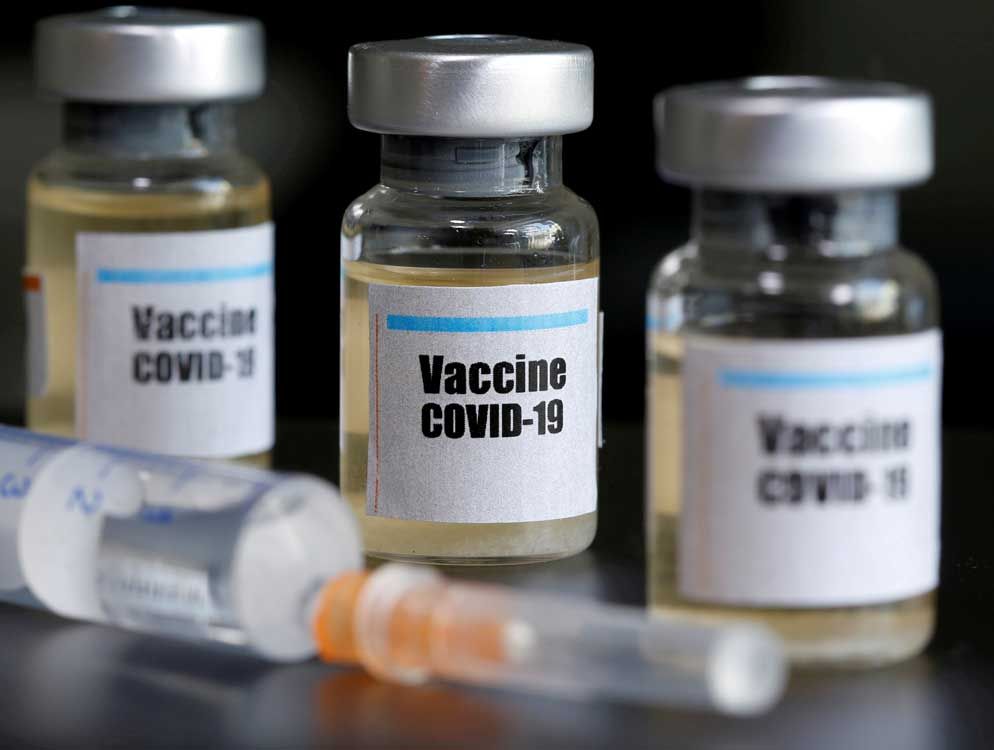
The United States has secured almost a third of the first one billion doses planned for AstraZeneca’s experimental COVID-19 vaccine by pledging up to $1.2 billion, as world powers scramble for medicines to get their economies back to work.
While not proven to be effective against the coronavirus, vaccines are seen by world leaders as the only real way to restart their stalled economies, and even to get an edge over global competitors.
After President Donald Trump demanded a vaccine, the U.S. Department of Health agreed to provide up to US$1.2 billion to accelerate AstraZeneca’s vaccine development and secure 300 million doses for the United States.
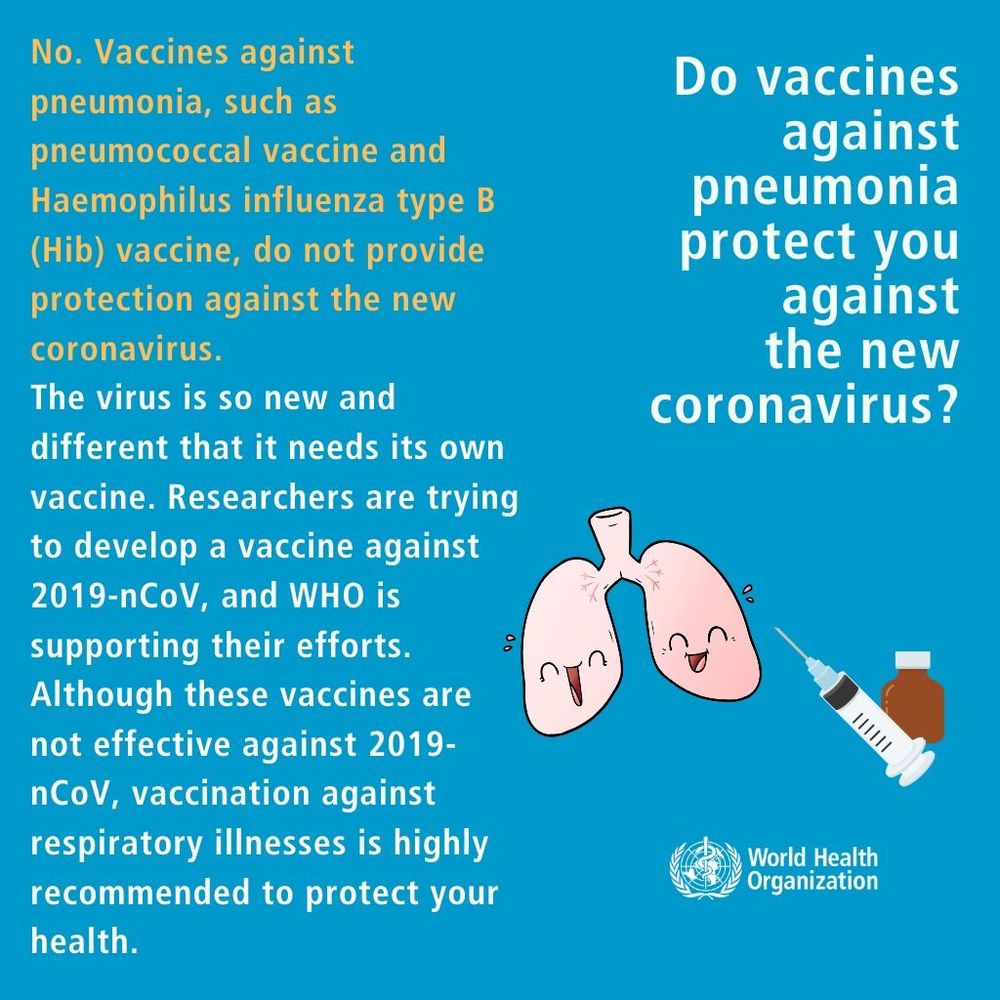
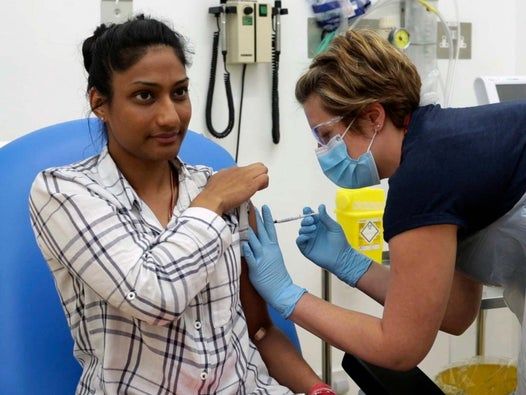
When pharmaceutical company Moderna issued a press release about the promising results of its Phase I clinical trial for a coronavirus vaccine, the media and the markets went wild. The New York Times ran a story that went viral on Twitter, racking up millions of views as social media influencers and doctors alike shared it far and wide. Moderna’s stock price shot up 20 percent and several peer companies like Novavax rallied even higher at more than 30 percent.
But was it justified?
The news cycle in the era of the coronavirus pandemic feels like tidal waves of hope and fear on steroids. Perhaps that’s because with more than 36 million Americans losing their jobs and more than 90,000 losing their lives, everyone is desperately looking for the light at the end of the tunnel. Covid-19 is taking an unprecedented physical and psychological toll on the American people and so small bits of potentially good news that should be taken with a grain of salt can end up dominating the headlines. People turn molehills into mountains because we really need and want a game-changer right now. But the truth is the truth regardless of what we want or feel, especially in science and medicine.
If you’re interested in superlongevity and cognitive enhancement, I have a YouTube video to recommend. Our good friend, Ira Pastor, on his excellent podcast ideaXme, discusses with Dr. Rudolph Tanzi the topic of inflammaging, specifically brain inflammation, plaque, tau tangles, brain health, and Alzheimer’s disease. Then they discuss some emergent therapies to prevent Alzheimer’s by protecting the neurons.
The discussion is concise and complete, but also very easy to follow.
Ira Pastor, ideaXme life sciences ambassador, interviews Dr. Rudolph Tanzi, Joseph P. and Rose F. Kennedy Professor of Neurology at Harvard University, Vice-Chair of Neurology, Director of the Genetics and Aging Research Unit, and Co-Director of the Henry and Allison McCance Center for Brain Health at Massachusetts General Hospital.
Ira Pastor Comments
On this episode we are going to journey back to the topic of Alzheimer’s, a disease of substantial unmet medical need, projected to affect over a 100 million people globally by mid century.