There’s a lot of hope that artificial intelligence could help speed up the time it takes to make a drug and also increase the rate of success. Several startups have emerged to capitalize on this opportunity. But Insitro is a bit different from some of these other companies, which rely more heavily on machine learning than biology.
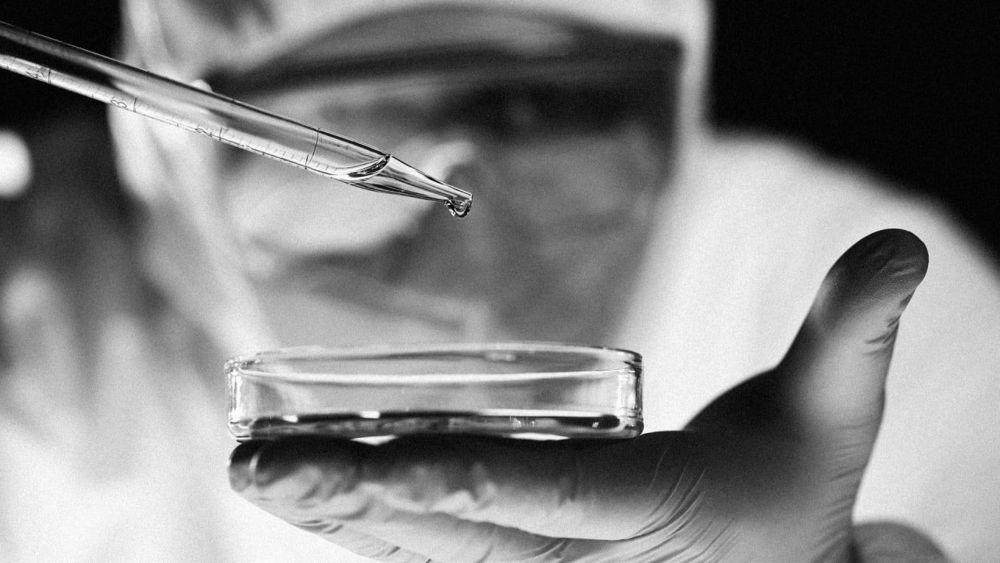
Machine learning can speed up the creation of new drugs and unlock the mysteries of major diseases, says Insitro CEO Daphne Koller.
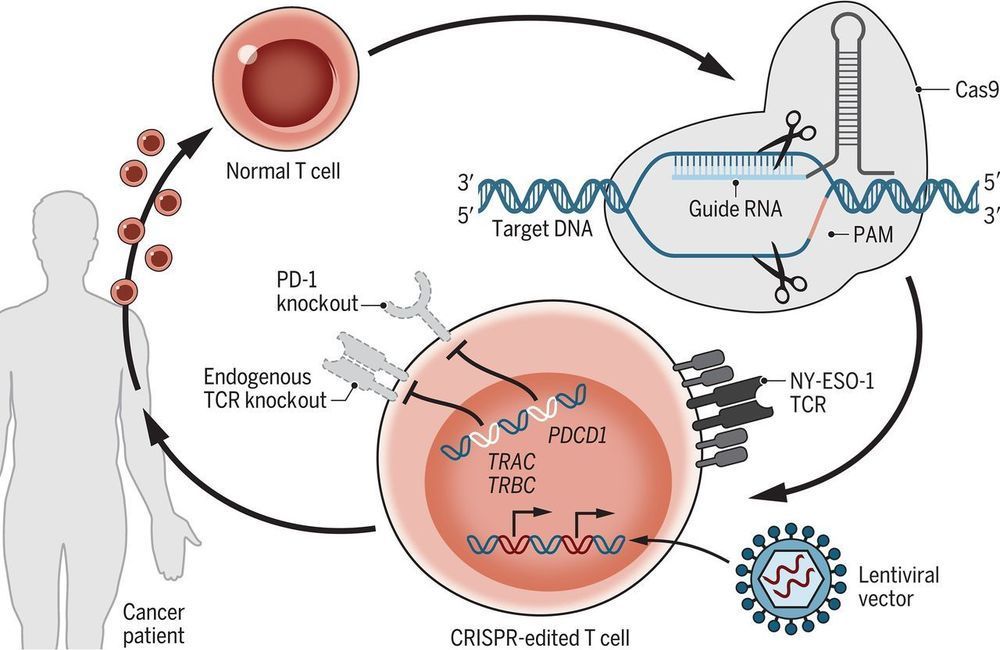
CRISPR-Cas9 is a revolutionary gene-editing technology that offers the potential to treat diseases such as cancer, but the effects of CRISPR in patients are currently unknown. Stadtmauer et al. report a phase 1 clinical trial to assess the safety and feasibility of CRISPR-Cas9 gene editing in three patients with advanced cancer (see the Perspective by Hamilton and Doudna). They removed immune cells called T lymphocytes from patients and used CRISPR-Cas9 to disrupt three genes (TRAC, TRBC, and PDCD1) with the goal of improving antitumor immunity. A cancer-targeting transgene, NY-ESO-1, was also introduced to recognize tumors. The engineered cells were administered to patients and were well tolerated, with durable engraftment observed for the study duration. These encouraging observations pave the way for future trials to study CRISPR-engineered cancer immunotherapies.
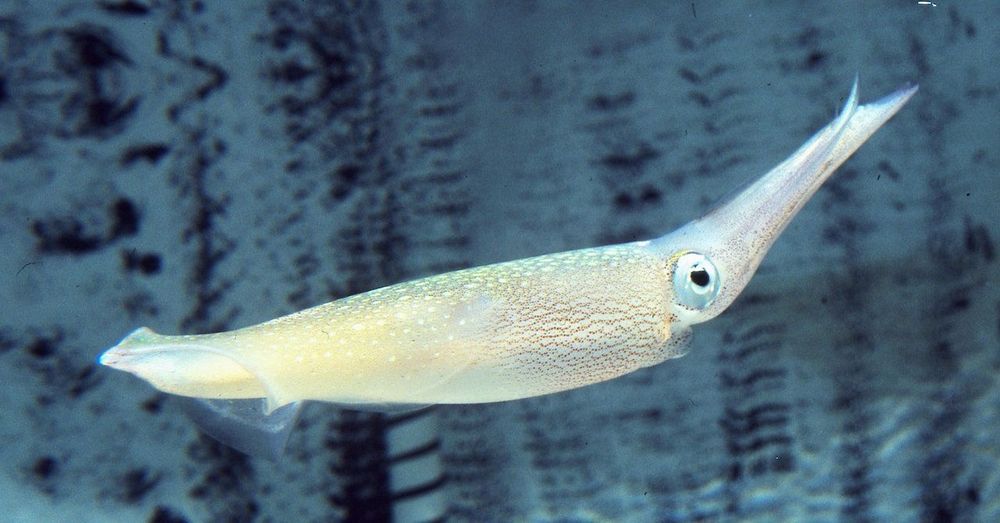
Researchers found that the cephalopod is the only creature that can edit its RNA outside the nucleus. It’s a tool that may one day help genetic medicine.
A new genomics study of shark DNA, including from great white and great hammerhead sharks, reveals unique modifications in their immunity genes that may underlie the rapid wound healing and possibly higher resistance to cancers in these ocean predators. This research brings us a few steps closer to understanding, from a genetic sense, why sharks exhibit some characteristics that are highly desirable by humans.
#nugencis #nugenicsresearch #humanlongevity #agereversal #blissatomic Dr. Harold has been a pioneer in the field of cancer research, in the development of modern aspects of gene hunting and sequencing. He carries expertise in bioinformatics, chronobiology, and biotechnology and is currently working in the capacity of Chief Technical Officer at Nugenics Research Pvt Ltd. exploring in anti-aging modalities. They recently released a paper online on #biorxiv regarding their breakthrough research on Human Age Reversal using Young Blood #plasma, the paper’s authors include recognized Longevity academician Steve Horvath.
The paper also caught the attention of #davidsinclair the leading researcher/voice in the field of Human Longevity. Dr Katcher spoke about how & why he moved from cancer research to Human Longevity, his research & results of 54% age reversal in Rats, his partner #akshaysanghavi, the future road map/timelines on how & when this might be commercially available.
Timelines 0:25- Introduction 1:14- Approach to Reverse Aging 5:49 –Aging a Progression 8:09 — Age Reversal Experiment Results 9:59 — What is the DNA Methylation Clock 13:12 –Young Blood plasma 14:23 — Chronological Limit on Reverse Aging 17:20 — Side Effects if any on the Rats 18:07 — Nugencis Research & Biz Partner Akshay Sanghavi 20:06 — Response from Peers 22:50 — Reason to Move From pioneering Cancer Research to Aging 29:00 –Rats to Dogs & the then Human testing 30:00 — Immortal Jellyfish
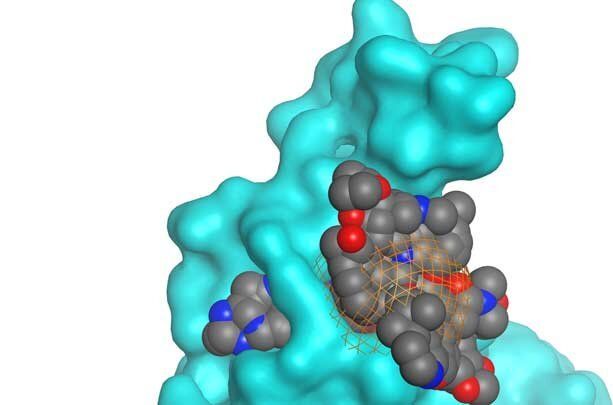
The Baudry Lab at The University of Alabama in Huntsville (UAH) has identified 125 naturally occurring compounds that have a computational potential for efficacy against the COVID-19 virus from the first batch of 50,000 rapidly assessed by a supercomputer.
It’s the first time a supercomputer has been used to assess the treatment efficacy of naturally occurring compounds against the proteins made by COVID-19. Located in UAH’s Shelby Center for Science and Technology, the lab is searching for potential precursors to drugs that will help combat the global pandemic using the Hewlett Packard Enterprise (HPE) Cray Sentinel supercomputer.
The UAH team is led by molecular biophysicist Dr. Jerome Baudry (pronounced Bō-dre), the Mrs. Pei-Ling Chan Chair in the Department of Biological Sciences. Dr. Baudry is video blogging about his COVID-19 research journey using HPE’s Cray Sentinel system. His research is in collaboration with the National Center for Natural Products Research at the University of Mississippi School of Pharmacy and HPE.
Researchers from North Carolina State University have discovered that teaching physics to neural networks enables those networks to better adapt to chaos within their environment. The work has implications for improved artificial intelligence (AI) applications ranging from medical diagnostics to automated drone piloting.
Neural networks are an advanced type of AI loosely based on the way that our brains work. Our natural neurons exchange electrical impulses according to the strengths of their connections. Artificial neural networks mimic this behavior by adjusting numerical weights and biases during training sessions to minimize the difference between their actual and desired outputs. For example, a neural network can be trained to identify photos of dogs by sifting through a large number of photos, making a guess about whether the photo is of a dog, seeing how far off it is and then adjusting its weights and biases until they are closer to reality.
The drawback to this neural network training is something called “chaos blindness”—an inability to predict or respond to chaos in a system. Conventional AI is chaos blind. But researchers from NC State’s Nonlinear Artificial Intelligence Laboratory (NAIL) have found that incorporating a Hamiltonian function into neural networks better enables them to “see” chaos within a system and adapt accordingly.
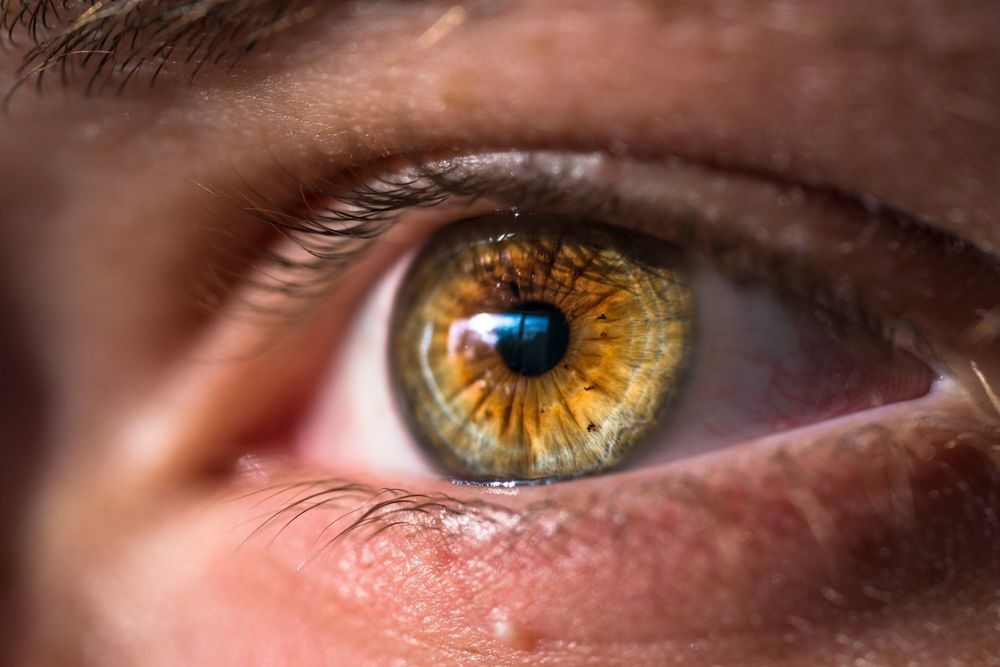
A case of pink eye is now reason to be tested for COVID-19, according to University of Alberta researchers.
Coughing, fever and difficulty breathing are common symptoms of the illness, but a recent case study involving an Edmonton woman and published in the Canadian Journal of Ophthalmology has determined that conjunctivitis and keratoconjunctivitis can also be primary symptoms.
In March, a 29-year-old woman arrived at the Royal Alexandra Hospital’s Eye Institute of Alberta with a severe case of conjunctivitis and minimal respiratory symptoms. After the patient had undergone several days of treatment with little improvement—and after it had been determined that the woman had recently returned home from Asia—a resident ordered a COVID-19 test. The test came back positive.
Honeywell stock doesn’t trade on quantum fundamentals yet. Shares are down about 16% year to date, worse than the comparable drops of the S&P 500 and Dow Jones Industrial Average. Honeywell is a large aerospace supplier, and the commercial aviation business has been hammered by Covid-19. Boeing (BA) stock, for instance, is off more than 40% year to date.
Honeywell stock is flat in early Friday trading. The S&P is up about 0.8%.
The quantum-computing industry hasn’t yet arrived, despite today’s announcement. But quantum computers are already better than regular computers in certain instances. Google parent Alphabet (GOOGL) demonstrated the ability of its rudimentary quantum computer to beat traditional systems.