Toggle light / dark theme

Identifying the Axillary Substructure at Risk for Lymphedema in Operable Patients With Breast Cancer Receiving Regional Nodal Irradiation

New in practicalRO.


Axillary substructures may contribute to the development of breast cancer-related lymphedema (BCRL). This study aimed to compare dose-volume parameters of various substructures to identify high-risk regions associated with BCRL and to evaluate the clinical applicability of these findings.

Mapping protein production in brain cells yields new insights for brain disease

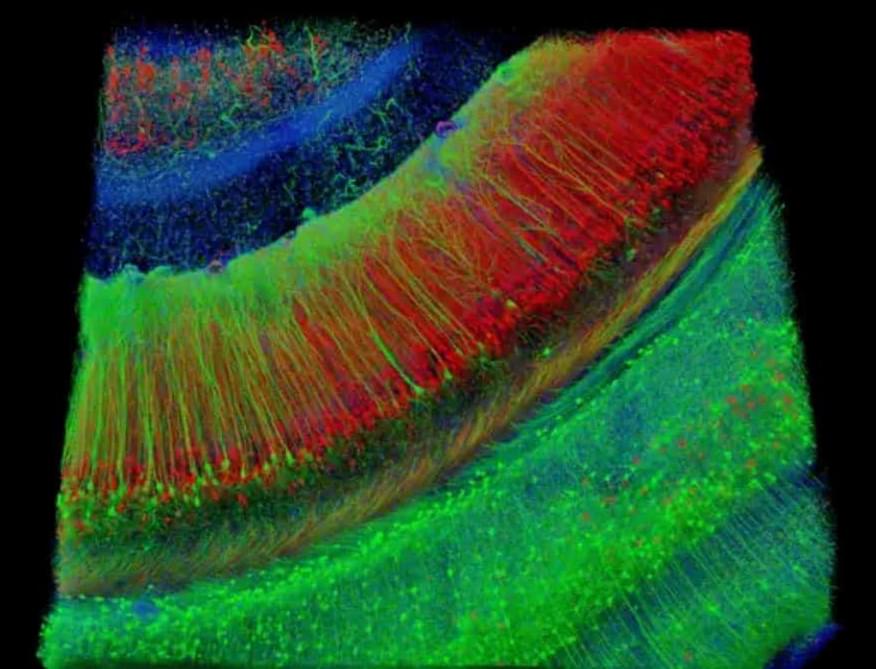
The brain’s ability to do everything from forming memories to coordinating movement relies on its cells producing the right proteins at the right time. But directly measuring this protein production, known as translation, across different types of brain cells has been a challenge.

Now, scientists at University of California School of Medicine, Scripps Research and their colleagues have developed a technology that reveals which proteins are generated by individual brain cells. The team used their method—called Ribo-STAMP—to create the first maps of protein production across nearly 20,000 individual cells in the mouse hippocampus, a brain region essential for learning and memory.

The study was published in Nature.

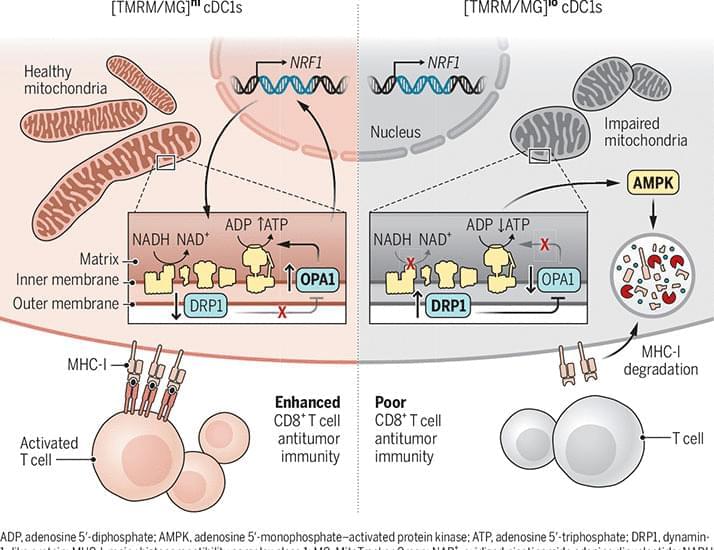
Gut-derived metabolite hippuric acid ‘turns up’ immune inflammation, study finds

Scientists at The Wistar Institute have identified a previously overlooked mediator in the body’s response to life-threatening infections: hippuric acid, a metabolite produced when gut bacteria break down polyphenols from berries, tea, and other plant-based foods. The research reveals that this molecule acts as an immune-system amplifier, boosting the body’s inflammatory defenses during early infection but elevating them to deadly levels when infections progress to sepsis.

Published in Cell Reports, the study demonstrates that elevated hippuric acid levels correlate with increased mortality in sepsis patients, while also uncovering the molecular mechanisms by which this metabolite modifies immune responses. The findings could lead to new approaches for managing severe infections and, potentially, for treating pancreatic cancer.

“Hippuric acid is a metabolite that has historically been seen as a benign byproduct of metabolism and is therefore understudied,” said Rahul S. Shinde, D.V.M., Ph.D., assistant professor in the Molecular and Cellular Oncogenesis Program at the Ellen and Ronald Caplan Cancer Center at The Wistar Institute and senior author of the study. “This paper identifies that it’s not just a passive byproduct. It has bioactive potential to influence the immune system.”

Kirigami-inspired sensors precisely map activity of neurons in the primate brain

Recent technological advances have opened new exciting possibilities for the development of smart prosthetics, such as artificial limbs, joints or organs that can replace injured, damaged or amputated body parts. These same advances are also enabling the development of other systems that connect the brain with machines, to record the activity of neurons or allow humans to operate machines in entirely new ways.

Researchers at the Chinese Institute for Brain Research, the National Center for Nanoscience and Technology in Beijing and other institutes recently developed a new flexible and implantable sensor that can record the activity of neurons in the brain of non-human primates. The sensing device, introduced in a paper published in Nature Electronics, is inspired by kirigami, an artistic discipline that entails the creation of intricate structures by folding and cutting paper in specific ways.

“The development of brain–computer interfaces requires implantable microelectrode arrays that can interface with numerous neurons across large spatial and temporal scales,” wrote Runjiu Fang, Huihui Tian and their colleagues in their paper.

Immunotherapy plus chemotherapy before surgery shows promise for pancreatic cancer

A new UCLA investigator-initiated study has found that adding immunotherapy to standard chemotherapy before surgery is safe and shows promise for some patients with borderline-resectable pancreatic cancer, a disease that has historically been difficult to treat.

The findings, published in Nature Communications, show that while the combination did not produce a clear survival advantage for most patients, a notable subset experienced unusually deep and durable responses. It also helped some patients live long enough to reach surgery, shrank tumors and produced encouraging survival outcomes.

The study also revealed immune changes that may limit how well immunotherapy works in pancreatic cancer, offering important clues for how future treatment strategies could be refined to further improve patient outcomes.

Germline mutations in DICER1 and DGCR8 can lead to a range of thyroid conditions

Here, Barbara Rivera & team report on the benign-to-malignant progression route in DICER1/DGCR8-thyroid lesions, identifying a DICER1-cancer epi-signature using multi-omic profiling:

The image depicts a thyroid lesion from a sporadic DICER1 case with immunofluorescent staining for pan-cytokeratin (green) and vimentin (red). Enclosed areas represent selected regions of interest.


1Program in Molecular Mechanisms and Experimental Therapy in Oncology (Oncobell), Bellvitge Biomedical Research Institute (IDIBELL), L’Hospitalet de Llobregat, Barcelona, Spain.

2Genetics Program, Faculty of Biology, and.

3Department of Biomedical Sciences, Faculty of Medicine and Health Sciences, University of Barcelona, Barcelona, Spain.

Comparative single-cell lineage bias in human and murine hematopoietic stem cells

A comparative single-cell analysis reveals similarities and differences in lineage bias between human and murine hematopoietic stem cells. This work deepens our understanding of how lineage commitment is regulated across species and provides a valuable framework for translating insights from mouse models to human hematopoiesis.


The commitment of hematopoietic stem cells (HSC) to myeloid, erythroid, and lymphoid lineages is influenced by microenvironmental cues, and governed by cell-intrinsic and epigenetic characteristics that are unique to the HSC population. To investigate the nature of lineage commitment bias in human HSC, mitochondrial single-cell assay for transposase-accessible chromatin (ATAC)-sequencing was used to identify somatic mutations in mitochondrial DNA to act as natural genetic barcodes for tracking the ex vivo differentiation potential of HSC to mature cells. Clonal lineages of human CD34+ cells and their mature progeny were normally distributed across the hematopoietic lineage tree without evidence of significant skewing. To investigate commitment bias in vivo, mice were transplanted with limited numbers of long-term HSC (LT-HSC). Variation in the ratio of myeloid and lymphoid cells between donors was suggestive of a skewed output but was not altered by increasing numbers of LT-HSC. These data suggest that the variation in myeloid and lymphoid engraftment is a stochastic process dominated by the irradiated recipient niche with minor contributions from cell-intrinsic lineage biases of LT-HSC.

Hematopoietic stem cells (HSC) are classically considered to have the capacity for complete regeneration of the hematopoietic compartment. More recent analyses indicate additional complexity and heterogeneity in the HSC compartment, with lineage-restricted or lineage-biased HSC considered a feature of mammalian hematopoiesis.1–13 A partial differential equation model to study relationships between hematopoietic stem and progenitor cells (HSPC) emphasizes that myeloid bias cannot be accounted for solely by short-term HSC bias during inflammation but rather involves a combination of HSC and progenitor cell biases.14 Central to the concept of lineage bias is an assumption that cells used for studying HSC commitment are HSC and not multipotent progenitors or lineage-committed progenitors. Changes in differentiation of cells downstream of the long-term HSC (LT-HSC) must also be evaluated when considering the potential lineage bias of a LT-HSC.

Israeli professor leads int’l team behind implantable device that could eliminate need for insulin shots

Assistant Professor Shady Farah from the Technion – Israel Institute of Technology’s Faculty of Chemical Engineering – has led an international research team that pioneered the development of an implantable, self-regulating device that produces insulin for patients with diabetes. The research is considered groundbreaking and could potentially eliminate the need for daily insulin shots.

The multinational study was conducted in cooperation with scientists from leading U.S. institutions, including the Massachusetts Institute of Technology (MIT), Harvard University, Johns Hopkins University and the University of Massachusetts.

The study, published last month in Science Translational Medicine, describes the implant as a self-regulating ‘artificial pancreas’ that monitors blood glucose levels and produces insulin internally, eliminating the need for external insulin shots. The researchers describe the technology as a ‘crystalline shield’ and report that it can operate in the body for years.


Technion researchers developed an implantable artificial pancreas that produces insulin, potentially eliminating daily shots for diabetes patients.

/* */