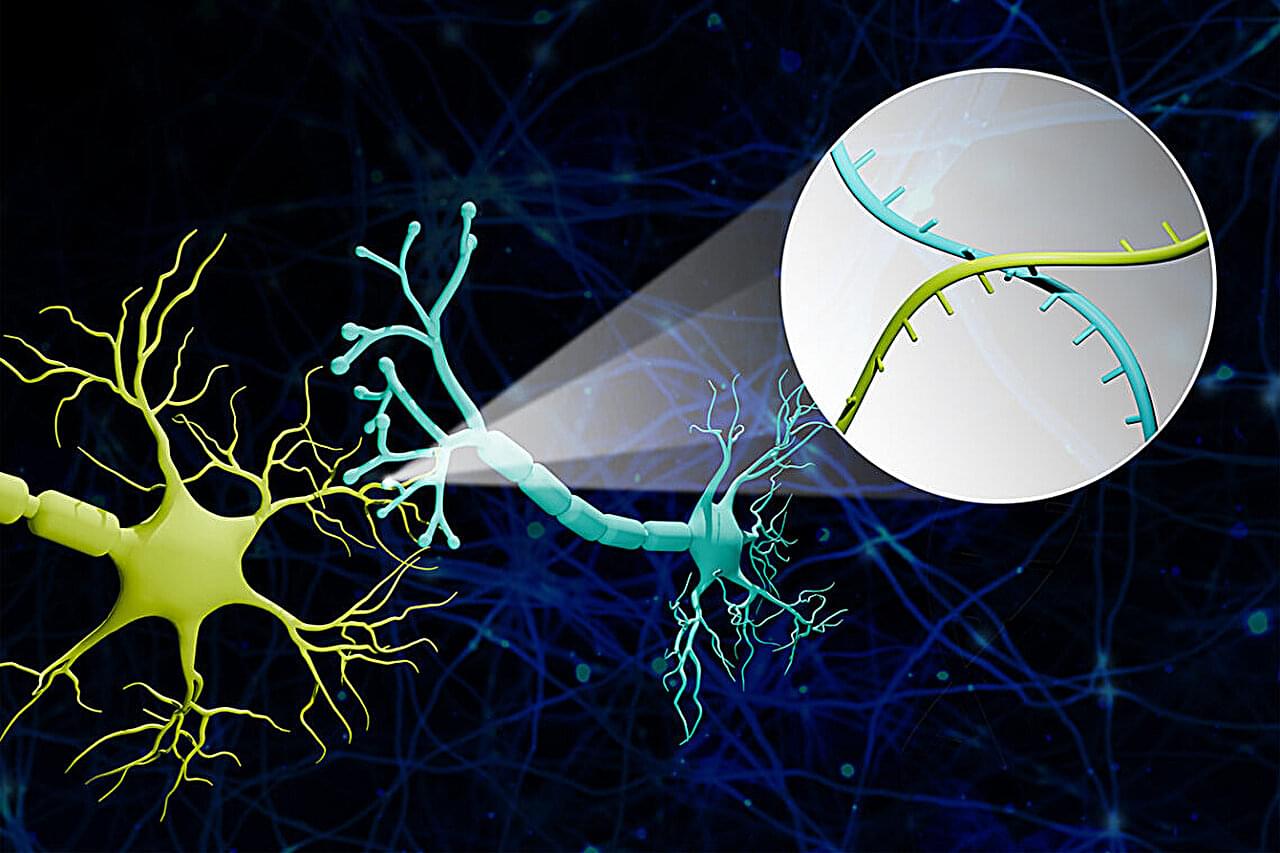
Researchers have identified a promising drug candidate, DDL-357, that improves memory in Alzheimer’s mouse models by increasing levels of a protective brain protein called clusterin (CLU).
The latest in AI in medicine and health tech, brought to you by a real human.
Higher intakes of black tea, berries, citrus fruits and apples could help to promote healthy ageing, new research has found.
This study conducted by researchers from Edith Cowan University, Queen’s University Belfast and Harvard T.H. Chan School of Public Health, found that foods rich in flavonoids could help to lower the risk of key components of unhealthy ageing, including frailty, impaired physical function and poor mental health.
“The goal of medical research is not just to help people live longer but to ensure they stay healthy for as long as possible,” ECU Adjunct Lecturer Dr Nicola Bondonno said.
Join us on Patreon! https://www.patreon.com/MichaelLustgartenPhDDiscount Links/Affiliates: Blood testing (where I get the majority of my labs): https://www.u…
Artificial intelligence (AI) agents and large-language models (LLMs), such as the model underpinning OpenAI’s conversational platform ChatGPT, are now widely used by people worldwide, both in informal and professional settings. Over the past decade or so, some of these models have also been adapted to tackle complex research problems rooted in various fields, including biology, physics, medical sciences and chemistry.
Existing computational tools employed by chemists are often highly sophisticated and complex. Their complexity makes them inaccessible to non-expert users and often even difficult for expert chemists to use.
Researchers at Matter Lab at the University of Toronto and NVIDIA have developed El Agente Q, a new LLM-based system that could allow chemists, particularly those specialized in quantum chemistry, to easily generate and execute quantum chemistry workflows, sequences of computational tasks required to study specific chemical systems at the quantum mechanical level.
By 2030, there will still be over 1 billion of the world’s adolescents (aged 10–24 years) living in countries where preventable and treatable health problems like HIV/AIDS, early pregnancy, unsafe sex, depression, poor nutrition and injury collectively threaten the health and well-being of adolescents, suggests a new analysis from the second Lancet Commission on adolescent health and well-being.
Commission co-chair, Professor Sarah Baird, George Washington University (U.S.) says, The health and well-being of adolescents worldwide is at a tipping point, with mixed progress observed over the past three decades.
While tobacco and alcohol use has declined and participation in secondary and tertiary education has increased, overweight and obesity have risen by up to eight-fold in some countries in Africa and Asia over the past three decades, and there is a growing burden of poor adolescent mental health globally.
Proteins are among the most studied molecules in biology, yet new research from the University of Göttingen shows they can still hold surprising secrets. Researchers have discovered previously undetected chemical bonds within archived protein structures, revealing an unexpected complexity in protein chemistry.
These newly identified nitrogen-oxygen-sulfur (NOS) linkages broaden our understanding of how proteins respond to oxidative stress, a condition where harmful oxygen-based molecules build up and can damage proteins, DNA, and other essential parts of the cell. The new findings are published in Communications Chemistry.
The research team systematically re-analyzed over 86,000 high-resolution protein structures from the Protein Data Bank, a global public repository of protein structures, using a new algorithm that they developed inhouse called SimplifiedBondfinder. This pipeline combines machine learning, quantum mechanical modeling, and structural refinement methods to reveal subtle chemical bonds that were missed by conventional analyses.