Toggle light / dark theme

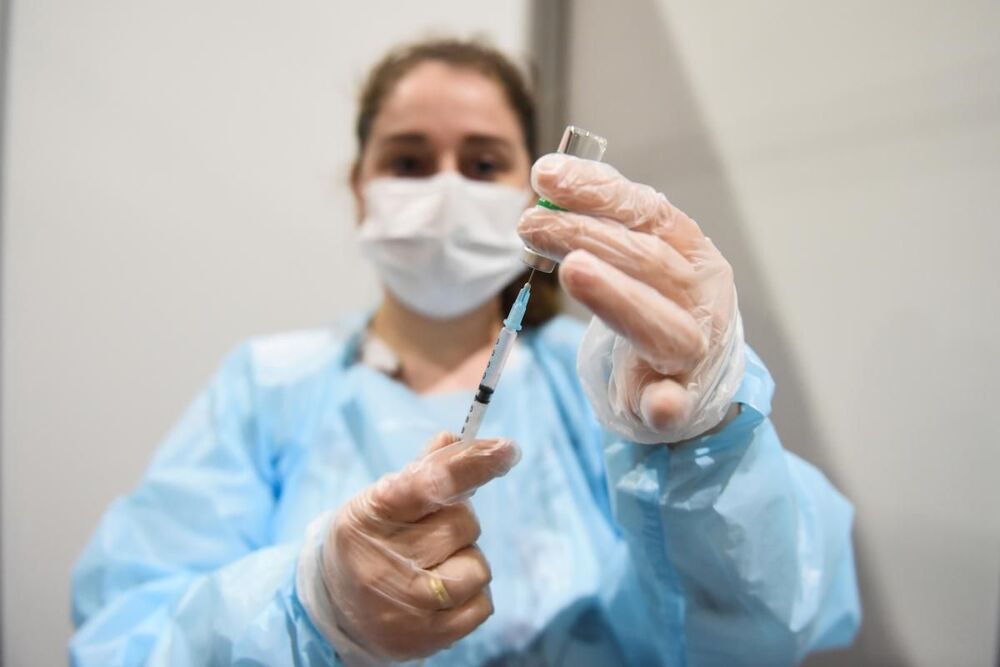
Singapore mom reportedly gives birth to baby with COVID-19 antibodies

A Singaporean mom who beat COVID-19 while pregnant has given birth to a baby with antibodies against the virus, according to a report.

Celine Ng-Chang, 31, gave birth this month to the baby boy, who tested negative for the virus but did have the antibodies, the Straits Times reported.

“My doctor suspects I have transferred my COVID-19 antibodies to him during my pregnancy,” she told the newspaper.

Sorting Out Viruses With Machine Learning: AI-Powered Nanotechnology May Lead to New Rapid COVID-19 Tests

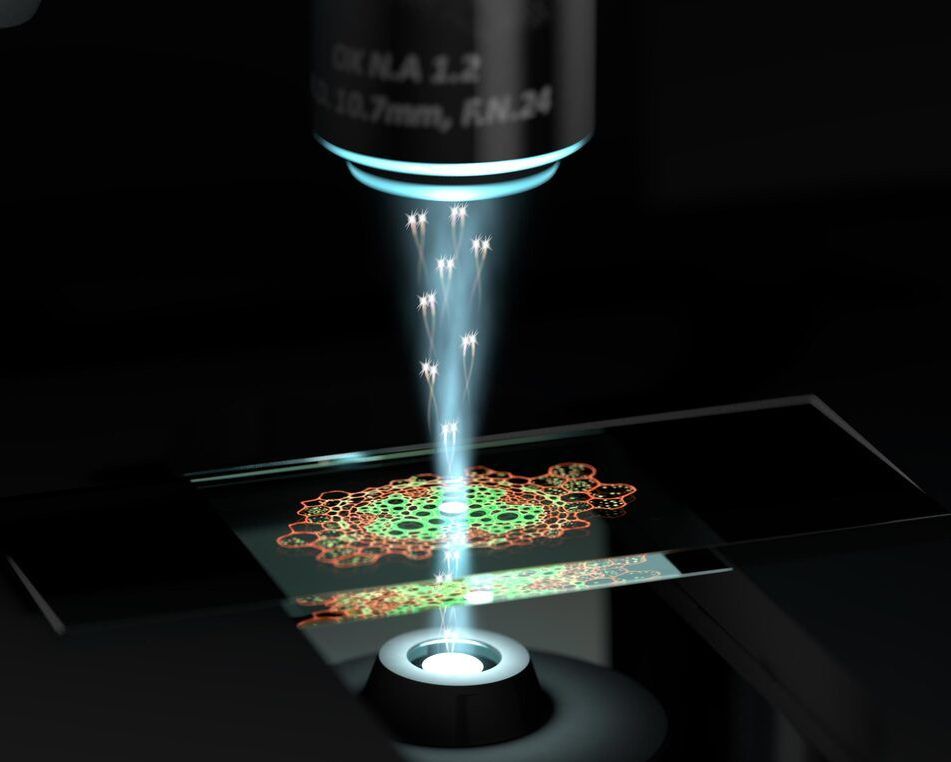
Scientists at Osaka University develop a label-free method for identifying respiratory viruses based on changes in electrical current when they pass through silicon nanopores, which may lead to new rapid COVID-19 tests.

The ongoing global pandemic has created an urgent need for rapid tests that can diagnose the presence of the SARS-CoV-2 virus, the pathogen that causes COVID-19, and distinguish it from other respiratory viruses. Now, researchers from Japan have demonstrated a new system for single-virion identification of common respiratory pathogens using a machine learning algorithm trained on changes in current across silicon nanopores. This work may lead to fast and accurate screening tests for diseases like COVID-19 and influenza.

In a study published this month in ACS Sensors scientists at Osaka University have introduced a new system using silicon nanopores sensitive enough to detect even a single virus particle when coupled with a machine learning algorithm.

Liquid Blood Found In Remains Of 42,000-Year-Old Mummified Foal

Bringing back extinct animals by cloning through ancient DNA is the dream of many – from conservationists to Spielberg – but it has not come to fruition yet. However, we may be a step closer thanks to an incredible discovery made in Siberia.

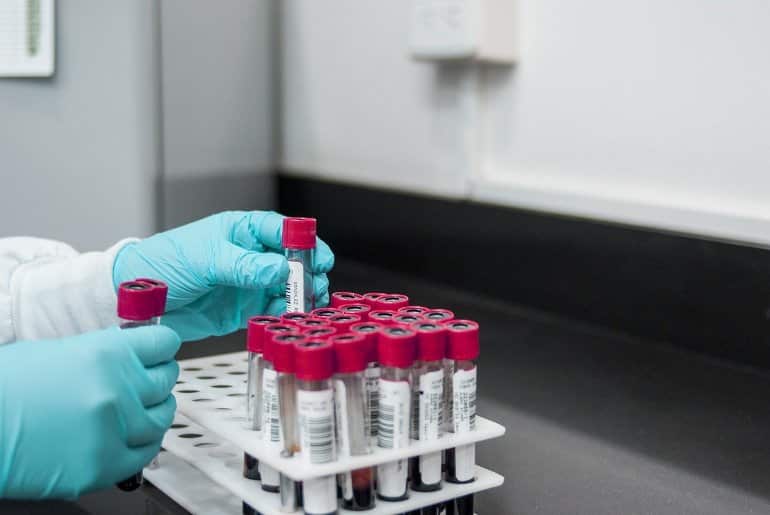
Scientists have reportedly managed to extract liquid blood from the mummified remains of a 42,000-year-old extinct baby horse.

In August last year, the perfectly preserved remains of the young male foal were discovered in the Batagaika crater in Yakutia, northern Russia.

Over 6 decades in Alaska, this contrarian geophysicist has left an indelible mark on aurora studies and Arctic research

Here, he became an authority on the aurora, and after that the director of the Geophysical Institute at the University of Alaska Fairbanks. He later used his reputation and connections to establish the International Arctic Research Center. His look-away-from-the-crowd nature once made a writer describe him as Alaska’s climate-change skeptic.

Wearing suspenders and a button-up dress shirt, Akasofu would — every weekday until the 2020 pandemic — drive 3 miles into the university for a few hours. His workspace is a cubicle in the Akasofu Building. That sun-catching, metal-and-glass structure on the highest part of the Fairbanks campus houses a science institute — the International Arctic Research Center — that would not exist without him.

Akasofu’s Alaska journey began when he wrote a letter to Sydney Chapman, a British space physicist who lived a reverse-snowbird existence, living in Fairbanks in the winter and Boulder, Colorado, in the summer.

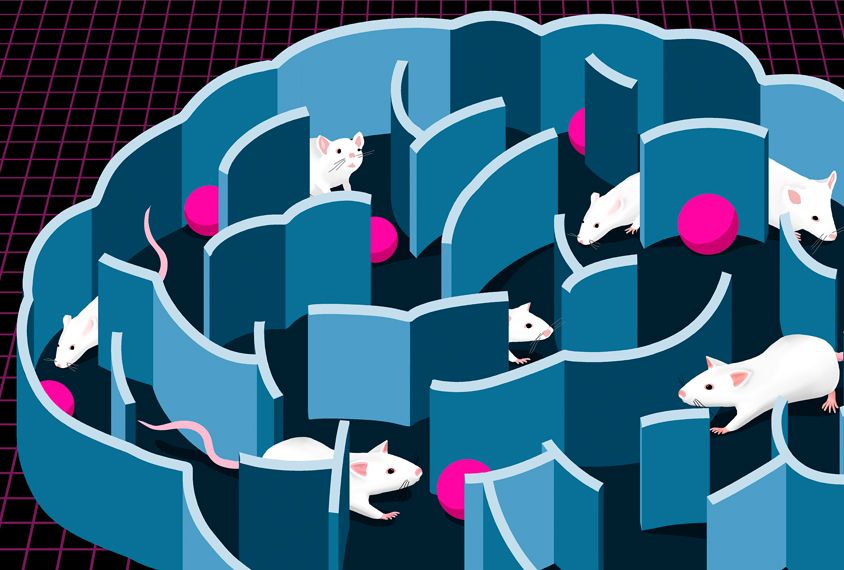
AI Helps Scientists Understand Brain Activity Behind Thoughts

Summary: A new AI system helps researchers better understand the brain computations that underlie thought.

Source: Baylor University.

A team led by researchers at Baylor College of Medicine and Rice University has developed artificial intelligence (AI) models that help them better understand the brain computations that underlie thoughts. This is new, because until now there has been no method to measure thoughts. The researchers first developed a new model that can estimate thoughts by evaluating behavior, and then tested their model on a trained artificial brain where they found neural activity associated with those estimates of thoughts. The theoretical study appears in the Proceedings of the National Academy of Sciences.

/* */