Toggle light / dark theme

How to get the world from Covid-19 to Covid-Zero with just $8bn | Free to read

Many companies have made strong commitments to support their employees, customers, suppliers and communities through what is perhaps the gravest global crisis since the second world war. And all at a time when they are themselves counting the costs of lockdowns and physical distancing.

Others have joined more directly in fighting the outbreak. Amazon is distributing coronavirus tests, Diageo is making hand sanitiser, while Formula 1 teams are designing ventilators.

But business has a powerful opportunity to go further and play a critical part in resolving the crisis — as well as in managing it — by helping fund the vital research that provides the only viable exit strategy that can bring the world back to business as usual.
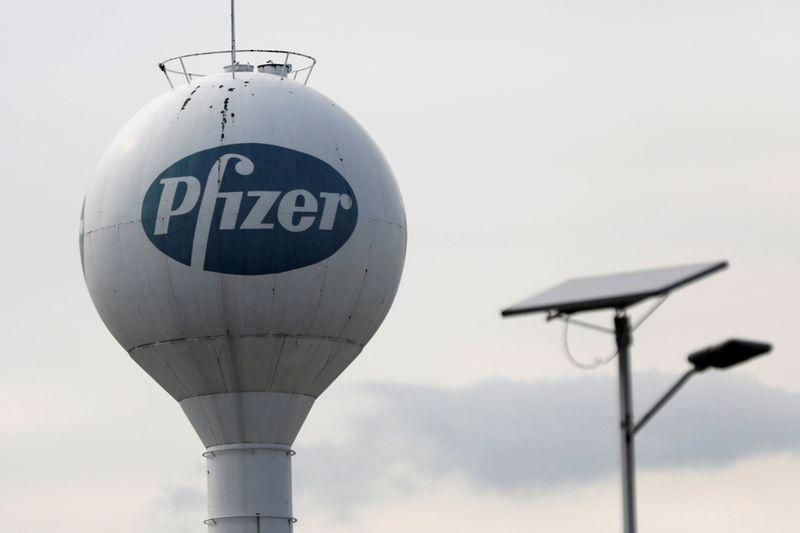
Pfizer clinches coronavirus vaccine deal, sees potential in antiviral treatment

It also said it plans to support studies to determine whether existing Pfizer medicines, including its rheumatoid arthritis drug Xeljanz, may provide benefits for those struggling with the COVID-19 respiratory illness caused by the coronavirus. More than a dozen large drugmakers, including Pfizer, have announced plans in recent months to develop vaccines and treatments for the coronavirus, although few if any are likely to reach patients in time to stem the current outbreak. Pfizer first revealed plans to try to develop an antiviral compound for COVID-19 in March, and later said it was working with BioNTech SE (22UAy. F) on a potential vaccine based on messenger RNA technology.


U.S. drugmaker Pfizer Inc said on Thursday that early data has helped it identify a drug candidate with the potential to help treat patients infected with the novel coronavirus.

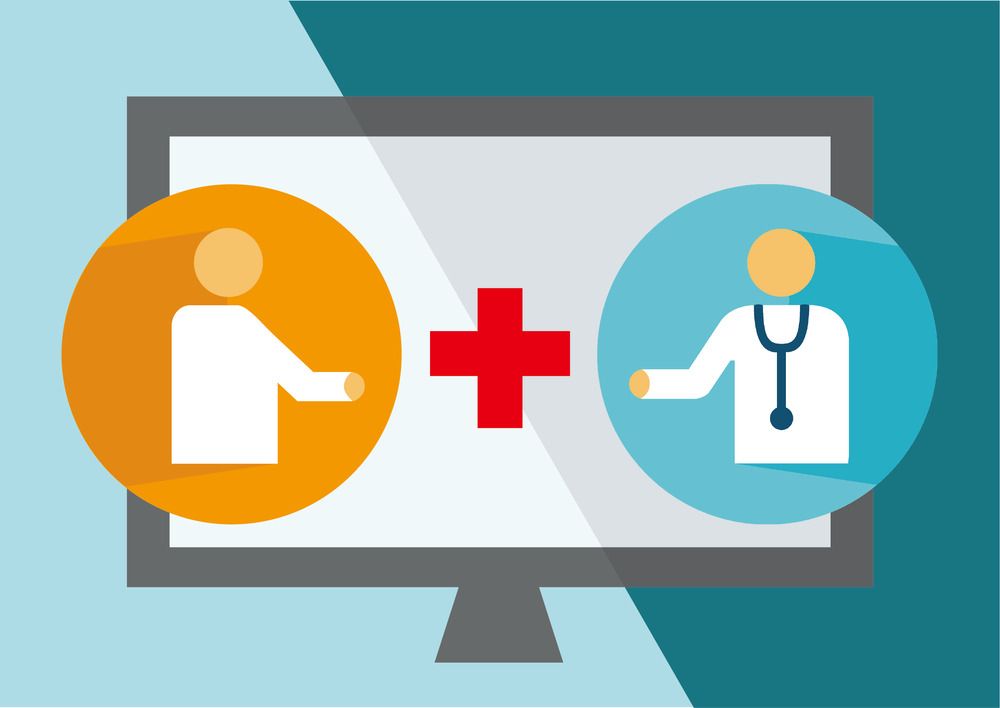
Technology in medicine: What will the future healthcare be like?

#Technology in #medicine: What will the #future #healthcare be like? https://www.neurozo-innovation.com/post/future-health Technologies have made many great impacts on our medical system in recent years. The article will first give a thorough summarization of them, and then the expectations and potential problems regarding future healthcare will be discussed. #AI #5G #VR #AR #MR #3DPrinting #BrainComputerInterface #telemedicine #nanotechnology #drones #SelfDriving #blockchain #robotics #innovation #trend


Technology has many beneficial effects on modern people’s lives, and one of them is to prolong our lifespan through advancing the medical field. In the past few years, new techniques such as artificial intelligence, robots, wearable tech, and so on have been used to improve the quality of our healthcare system, and some even newer innovations such as flying vehicles and brain computer interface are also considered valuable to the field. In this article, we will first give a thorough discussion about how these new technologies will shape our future healthcare, and then some upcoming problems that we may soon face will be addressed.

Engineered virus might be able to block coronavirus infections, mouse study shows

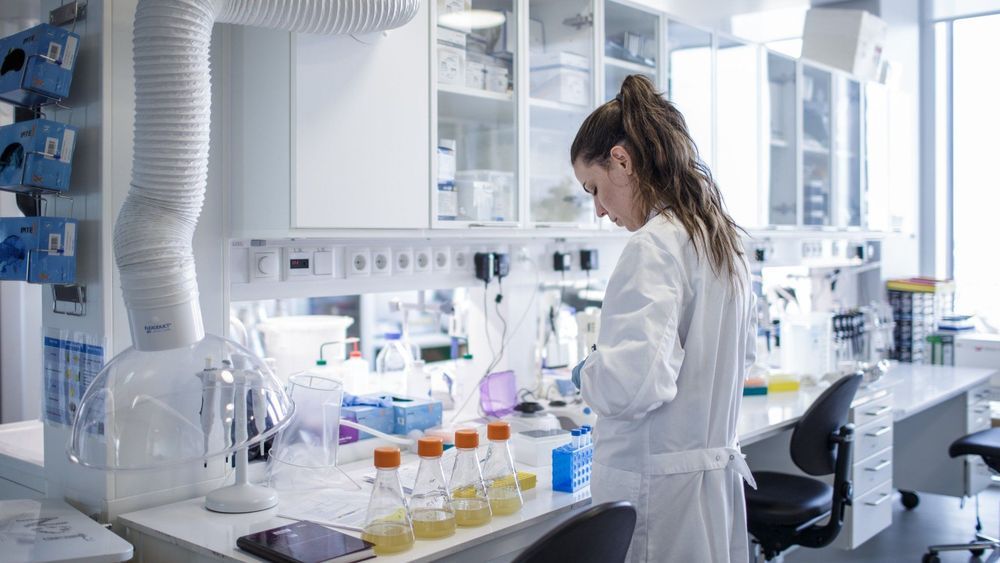
No vaccines exist that protect people against infections by coronaviruses, including SARS-CoV-2, which causes COVID-19, or the ones that cause SARS and MERS. As COVID-19 continues to wreak havoc, many labs around the world have developed a laser-like focus on understanding the virus and finding the best strategy for stopping it.

This week in mBio, a journal of the American Society of Microbiology, a team of interdisciplinary researchers describes a promising vaccine candidate against the MERS virus. Since the MERS (Middle East Respiratory Syndrome) outbreak began in 2012, more than 850 people have died, and studies suggest the virus has a case fatality rate of more than 30%.

In the new paper, the researchers suggest that the approach they took for a MERS virus vaccine may also work against SARS-CoV-2. The vaccine’s delivery method is an RNA virus called parainfluenza virus 5 (PIV5), which is believed to cause a condition known as kennel cough in dogs but appears harmless to people. The researchers added an extra gene to the virus so that infected cells would produce the S, or spike, glycoprotein known to be involved in MERS infections.

Gray Matter Volume May Indicate Efficacy of Acupuncture for Migraine

Presence and location of gray matter in the brain may indicate whether acupuncture is an effective method of treating migraine without aura, according to a study published in Frontiers in Neurology.

Presence and location of gray matter (GM) in the brain may indicate whether acupuncture is an effective method of treating migraine without aura (MwoA), according to a study published in Frontiers in Neurology.

In many countries acupuncture is used as a treatment for migraine, but there is insufficient evidence to claim it is effective for all migraineurs. According to researchers, “about 50% of patients do not achieve substantial improvement after acupuncture.” However, determining which patients may benefit from acupuncture will prevent nonresponders from undergoing time-consuming and unsuccessful treatment.

/* */