Toggle light / dark theme

Anti-aging is a ‘double-edged sword,’ says a biologist who studies how your cells and molecules just get more tired as you get older

There are many different definitions of aging, but scientists generally agree upon some common features: Aging is a time-dependent process that results in increased vulnerability to disease, injury and death. This process is both intrinsic, when your own body causes new problems, and extrinsic, when environmental insults damage your tissues.

Your body is comprised of trillions of cells, and each one is not only responsible for one or more functions specific to the tissue it resides in, but must also do all the work of keeping itself alive. This includes metabolizing nutrients, getting rid of waste, exchanging signals with other cells and adapting to stress.

The trouble is that every single process and component in each of your cells can be interrupted or damaged. So your cells spend a lot of energy each day preventing, recognizing and fixing those problems.

Synchron Stentrode: Brain Computer Interface for Paralysis

The first endovascular neural interface, the Stentrode™ is a minimally invasive implantable brain device that can interpret signals from the brain for patients with paralysis. Implanted via the jugular vein, the #Stentrode is placed inside the #brain in the command-control center, known as the motor cortex, but without the need for open brain surgery. The signals are captured and sent to a wireless unit implanted in the chest, which sends them to an external receiver. We are building a software suite that enables the patient to learn how to control a computer operating system and set of applications that interact with assistive technologies. This #technology has the potential to enable patients with paralysis to take back digital control of their world, without having to move a muscle.

Synchron is currently preparing for pilot clinical trials of the Stentrode™ to evaluate the safety and efficacy of this breakthrough technology.

Find out more at:
synchronmed.com.
https://twitter.com/synchron_ss

MAGNIFY: Duke researcher tracks deadly shapeshifting cancer tumor

Duke University Science and Technology scholar Trudy Oliver, Ph.D, has made progress with small cell lung cancer by systematically profiling it. For the past 30 years, all patients with the disease have been treated the same, with chemotherapy. In the last handful of years, Oliver and other researchers have shown that they can divide the disease into at least four different subtypes, each of which responds differently to treatment.

New study shows circulating anti-insulin CD4 T cells reflect progression of anti-islet immunity

Type 1 diabetes (T1D) is an autoimmune disease linked to helper T-cell recognition in non-obese diabetic (NOD) mice and humans. Moreover, T1D affects the endocrine pancreas, thus causing patients to be dependent on insulin replacement therapy for the rest of their lives. Monitoring disease progression through peripheral blood sampling could provide insights into the immune-mediated mechanisms of T1D.

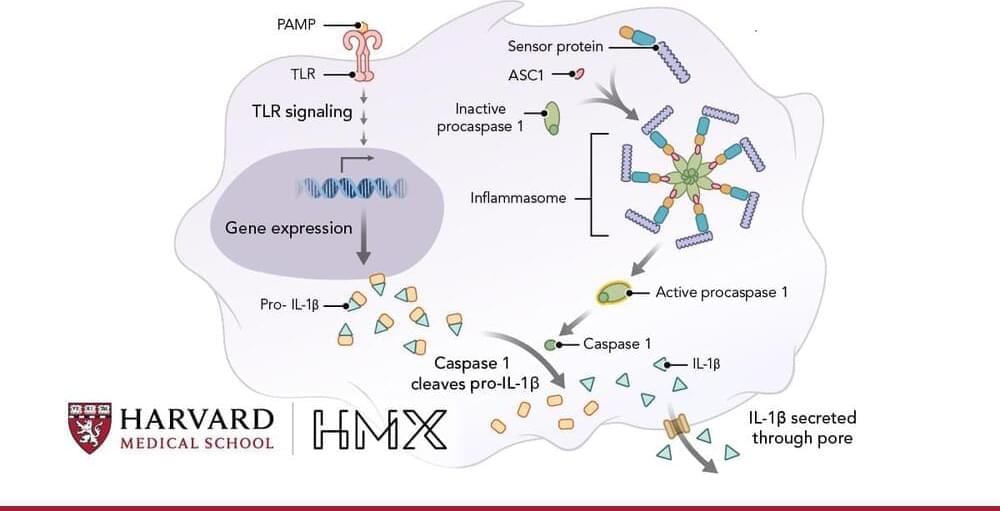
In a recent study published in Science Translational Medicine, researchers profile antigen-specific helper clusters of differentiation 4-positive (CD4+) T-lymphocytes to determine anti-islet autoimmunity among mice and humans.

How B-cells and androgens contribute to the development of PCOS

Research on mu heavy chain knockout mice (MuMt-; Bnull), which are mice that are genetically incapable of producing mature B-cells, has suggested that B-cells amplify the metabolic effects of diseases, especially diabetes and insulin resistance. Since type 2 diabetes (T2D) and hyperthyroidism, both of which are autoimmune conditions, are strongly correlated with PCOS, scientists have attempted to investigate an autoimmune trigger for PCOS, which has remained unsuccessful.

Study findings

In the present study, researchers evaluate previously hypothesized factors associated with cyst formation and inflammation, which include B-cell frequency, hyperandrogenemia, and autoantibodies.

Synthetic Evolution: Genetically Minimal Artificial Cells Prove “Life Finds a Way”

Scientists discovered that a synthetic cell with a reduced genome could evolve as quickly as a normal cell. Despite losing 45% of its original genes, the cell adapted and demonstrated resilience in a laboratory experiment lasting 300 days, effectively showcasing that evolution occurs even under perceived limitations.

“Listen, if there’s one thing the history of evolution has taught us is that life will not be contained. Life breaks free. It expands to new territories, and it crashes through barriers painfully, maybe even dangerously, but… ife finds a way,” said Ian Malcolm, Jeff Goldblum’s character in Jurassic.

The Jurassic period is a geologic time period and system that spanned 56 million years from the end of the Triassic Period about 201.3 million years ago to the beginning of the Cretaceous Period 145 million years ago. It constitutes the middle period of the Mesozoic Era and is divided into three epochs: Early, Middle, and Late. The name “Jurassic” was given to the period by geologists in the early 19th century based on the rock formations found in the Jura Mountains, which were formed during the Jurassic period.

Google’s medical AI chatbot is already being tested in hospitals

The Mayo Clinic has reportedly been testing the system since April.

Google’s Med-PaLM 2, an AI tool designed to answer questions about medical information, has been in testing at the Mayo Clinic research hospital, among others, since April, The Wall Street Journal.

WSJ reports that an internal email it saw said Google believes its updated model can be particularly helpful in countries with “more limited access to doctors.” Med-PaLM 2 was trained on a curated set of medical expert demonstrations, which Google believes will make it… More.


Google says doctors prefer its answers, even if they’re less accurate.

/* */