Toggle light / dark theme

World-first tooth-regrowing drug will be given to humans in September

The world’s first human trial of a drug that can regenerate teeth will begin in a few months, less than a year on from news of its success in animals. This paves the way for the medicine to be commercially available as early as 2030.

The trial, which will take place at Kyoto University Hospital from September to August 2025, will treat 30 males aged 30–64 who are missing at least one molar. The intravenous treatment will be tested for its efficacy on human dentition, after it successfully grew new teeth in ferret and mouse models with no significant side effects.

“We want to do something to help those who are suffering from tooth loss or absence,” said lead researcher Katsu Takahashi, head of dentistry and oral surgery at Kitano Hospital. “While there has been no treatment to date providing a permanent cure, we feel that people’s expectations for tooth growth are high.”

Does Treating Brain Edema in Patients with Large Hemispheric Infarction Help?

Brain edema can accompany large ischemic strokes and can increase stroke-related morbidity and mortality. The past few decades have seen no advances in pharmacologic treatment of brain edema. These investigators conducted a manufacturer-funded, randomized, placebo-controlled trial of glibenclamide, a sulfonylurea 1–receptor inhibitor that can decrease brain edema. (Glibenclamide is approved to treat type 2 diabetes.) In a previous study, it was associated with fewer deaths from neurologic causes, but its use in patients with stroke is not widespread.

Eligible patients had large ischemic strokes that could be treated within 10 hours of onset. A large hemispheric infarct in at least the middle cerebral artery territory was defined as either an Alberta Stroke Program Early CT Score of 1 to 5 or lesion volumes of 80 mL to 300 mL on computed-tomography perfusion or diffusion-weighted imaging. Glibenclamide (8.6 mg) was given to half the study participants intravenously over 72 hours.

The study was halted early due to underenrollment. Of 535 enrolled patients, 431 were in the intended age range (18–70) and had complete data (mean age, 58; 33% women; median NIH Stroke Scale [NIHSS] score, 19). Treatment began at an average of 9 hours after symptom onset. No favorable shift with glibenclamide occurred on the primary outcome, the 90-day modified Rankin Scale (mRS). Mortality was similar in the two groups (glibenclamide, 32%; placebo, 29%). Hypoglycemia was seen in 6% of glibenclamide recipients and 2% of placebo recipients. Subgroup analysis revealed a signal of potential benefit with glibenclamide in patients with NIHSS scores of 20 or less.

When Muscles Work Out, they Help Neurons to Grow

The findings suggest that biochemical and physical effects of exercise could help heal nerves. There’s no doubt that exercise does a body good. Regular activity not only strengthens muscles but can bolster our bones, blood vessels, and immune system.

Now, MIT engineers have found that exercise can also have benefits at the level of individual neurons. They observed that when muscles contract during exercise, they release a soup of biochemical signals called myokines. In the presence of these muscle-generated signals, neurons grew 4X farther compared to neurons that were not exposed to myokines. These cellular-level experiments suggest that exercise can have a significant biochemical effect on nerve growth.

Surprisingly, the researchers also found that neurons respond not only to the biochemical signals of exercise but also to its physical impacts. The team observed that when neurons are repeatedly pulled back and forth, similarly to how muscles contract and expand during exercise, the neurons grow just as much as when they are exposed to a muscle’s myokines.

Human Skin Rejuvenation: Li Li, PhD

Join us on Patreon! https://www.patreon.com/MichaelLustgartenPhD

Discount Links/Affiliates:
Blood testing (where I get the majority of my labs): https://www.ultalabtests.com/partners/michaellustgarten.

At-Home Metabolomics: https://www.iollo.com?ref=michael-lustgarten.
Use Code: CONQUERAGING At Checkout.

Clearly Filtered Water Filter: https://get.aspr.app/SHoPY

Epigenetic, Telomere Testing: https://trudiagnostic.com/?irclickid=U-s3Ii2r7xyIU-LSYLyQdQ6…M0&irgwc=1
Use Code: CONQUERAGING

NAD+ Quantification: https://www.jinfiniti.com/intracellular-nad-test/

Genetic Mechanism Links Emotional Experiences to Behavior Changes

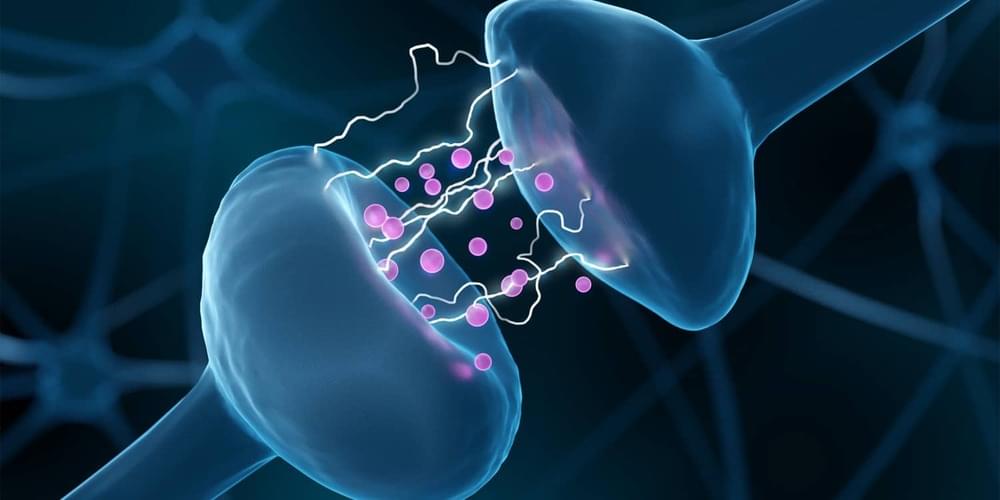
Summary: Researchers have identified a genetic mechanism that regulates behavioral adaptations to emotional experiences by forming R-loops, unique RNA: DNA structures that activate target genes. The study focused on NPAS4, a gene implicated in stress and drug addiction, showing how blocking R-loops prevents maladaptive behaviors like cocaine seeking and stress-induced anhedonia in mice.

This mechanism demonstrates how emotional experiences influence brain circuits by altering gene expression through enhancer RNA. The findings could pave the way for RNA-based therapies to treat psychiatric disorders linked to stress and substance use.

A Tale of Two Congenital Lesions: A Case Report of Congenital Diaphragmatic Hernia and Congenital Heart Disease Managed by Successful Surgical Outcome With Review of the Literature (Bhende-Pathak Hernia)

Congenital diaphragmatic hernia (CDH) is a diaphragmatic defect that is usually situated on the left side in the posterolateral region, named a Bochdalek hernia (BH), which allows abdominal organs to herniate into the thoracic cavity. BH is a prevalently observed birth anomaly in infants but is rare in adults. Right-sided BH that involves the colon is exceptionally rare, and no prior cases have described ileocecal appendix involvement. Here, we present a case of a preschooler with a right-sided BH and patent ductus arteriosus (PDA), requiring distinct surgical approaches: left open thoracotomy for PDA ligation and right open thoracotomy for CDH repair. Surgical intervention is associated with reduced morbidity and mortality, favorable long-term outcomes, and a low recurrence rate, irrespective of the selected approach.

3 Top Spatial Machine Learning Algorithms for Precision Agriculture

Precision agriculture leverages cutting-edge machine learning algorithms to transform farming, boosting productivity and sustainability. From Random Forest for crop classification to CNNs for high-resolution imagery analysis, these tools optimize resources, detect diseases early, and improve yield prediction. Discover the top algorithms shaping modern agriculture and how they empower smarter, data-driven decisions.

Brain organoids and assembloids are new models for elucidating, treating neurodevelopmental disorders

But Kelby, who was training to become an operating room nurse, realized Holden’s episodes reminded him of what he was learning about warning signs for stroke. JJ called Holden’s cardiologist in Utah and asked for a detailed neurologic evaluation, which enabled the mysterious episodes to be diagnosed as seizures. Holden began taking anti-seizure medication, which helped, to his parents’ great relief.

A few months after Holden was born, Sergiu Pasca, MD, arrived at Stanford Medicine to pursue a postdoctoral fellowship in the lab of Ricardo Dolmetsch, PhD, then an assistant professor of neurobiology, who was redirecting his research to autism spectrum disorder. At the time, Pasca did not know the Hulet family. But his work soon became focused on the disorder that has shaped Holden’s life.

/* */