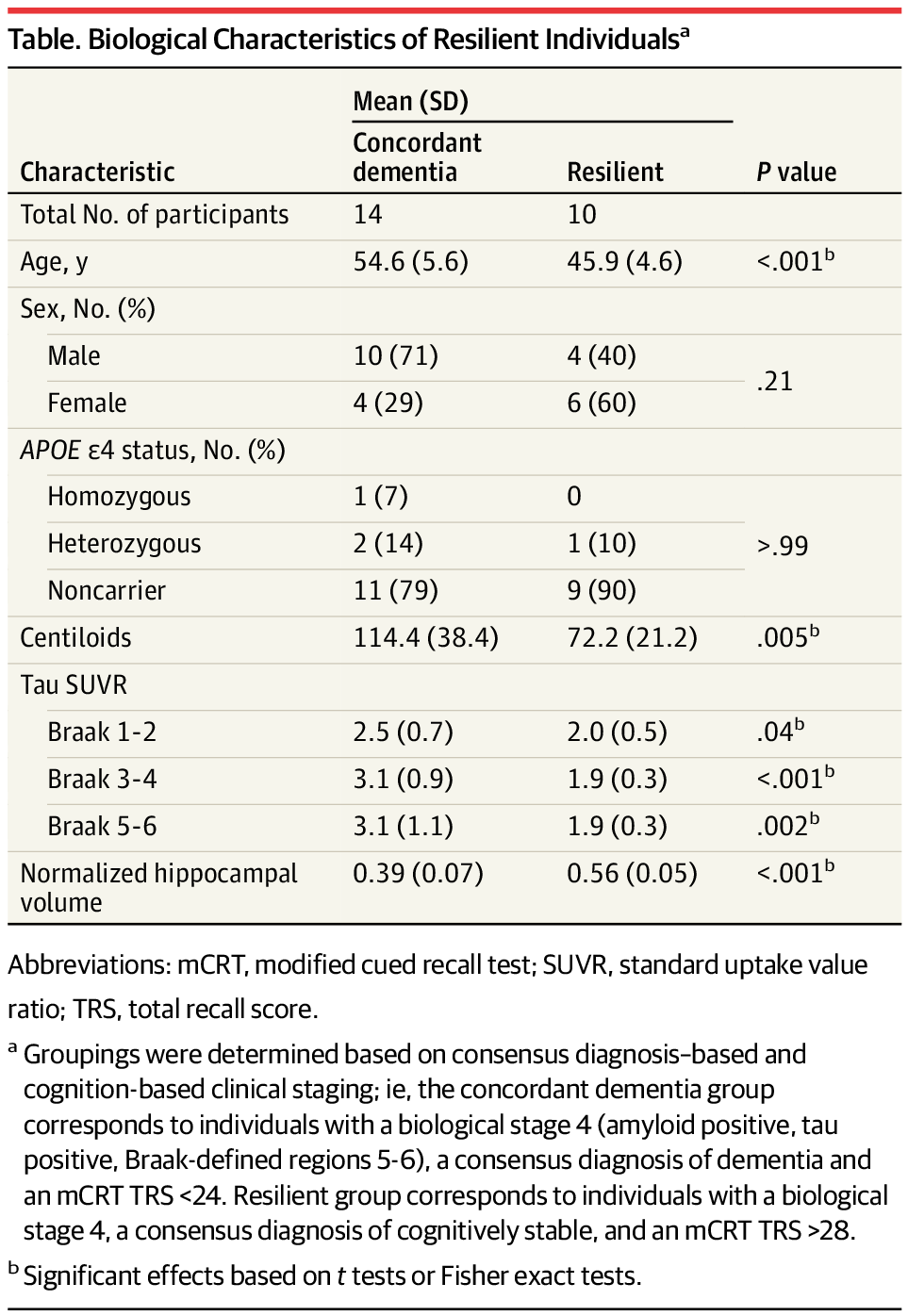
Among adults with DownSyndrome, clinical and biological staging of AlzheimerDisease showed greater concordance compared to sporadic cases, supporting the use of cognition-based staging for clinical trial enrollment. Most discordant cases exhibited more advanced pathology than clinical stage, highlighting resilience mechanisms in this population.
This cross-sectional study examines data for participants in the Alzheimer Biomarker Consortium–Down Syndrome study to gauge the concordance of clinical and biological Alzheimer disease staging.
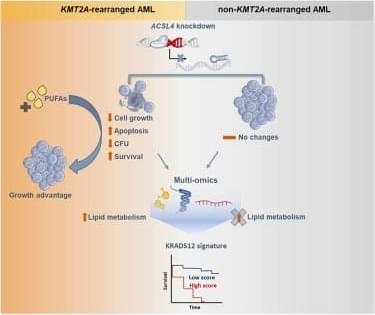
Schäfer et al. identify ACSL4 as a selective vulnerability in KMT2A-rearranged AML. ACSL4 knockdown impairs leukemic growth in vitro and in vivo by reprogramming lipid metabolism, which can be rescued by polyunsaturated fatty acids (PUFAs). A KRADS12 signature derived from ACSL4-dependent cells is associated with poor patient survival.
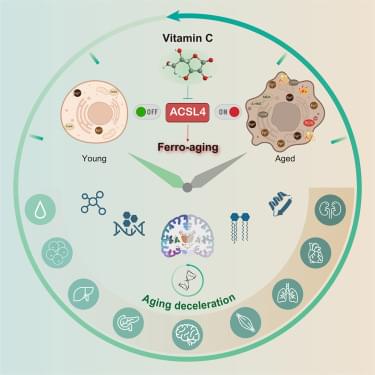
Liu et al. identify that an iron-triggered aging pathway, termed ferro-aging, is orchestrated by ACSL4. Vitamin C directly targets and inhibits ACSL4, thereby blocking ferro-aging. Their further research shows that long-term supplementation in non-human primates systemically attenuates aging and improves metabolic and neurological function.
New in JNeurosci from Kosteletou-Kassotaki et al: A white matter tract connecting the inferior colliculus to the basolateral amygdala via the MGB of the thalamus is linked to better hearing ability and higher self-reported fearfulness in people.
▶️
Rapid and efficient fear processing is essential for survival. In vision, this function is supported by a well-characterized subcortical pathway consisting of direct projections from the pulvinar of the thalamus to the amygdala in the human brain. In contrast, the existence of an analogous shortcut for fear in audition has been demonstrated in non-human animals, but remains unconfirmed in humans. To address this question, we used probabilistic streamline tractography and fixel-based analysis on diffusion-weighted images from Human Connectome Project participants of either sex, to reconstruct candidate auditory subcortical pathways and examine their associations with affective and auditory behavioral measures. Our findings revealed a robust white matter tract connecting the inferior colliculus to basolateral amygdala via the medial geniculate body (MGB) of the thalamus. Remarkably, higher fiber density in this tract was associated with better hearing ability in noise and increased self-reported fearfulness, supporting its role in auditory and affective function. Conversely, a control analysis of the core thalamocortical pathway from ventral MGB to primary auditory cortex (PAC), representing the main route for auditory processing, was associated with auditory ability but not with affective measures. These findings provide previously unreported evidence for an auditory colliculo-geniculo-amygdala “low road” in humans, aligning with evolutionarily conserved pathways for fear described in non-human species.
Significance Statement Rapid fear processing is crucial for survival. While a visual subcortical “low road” for fear is well characterized in humans, the existence of an analogous human auditory shortcut remains undetermined. Using diffusion magnetic resonance imaging tractography, we provide evidence for a white matter tract connecting the inferior colliculus to basolateral amygdala via the medial geniculate body of the thalamus, which is associated with hearing ability and self-reported fearfulness. Our findings provide novel evidence for an auditory colliculo-geniculo-amygdala direct route in humans, revealing an evolutionarily conserved pathway for fear previously described in non-human species.
Background Acute-on-chronic liver failure (ACLF) is characterised by intense systemic inflammation and high short-term mortality, yet effective targeted therapies are lacking.
Objective To explore monocyte heterogeneity in HBV-related ACLF (HBV-ACLF) to identify specific subsets and associated therapeutic targets.
Design Peripheral blood mononuclear cells from healthy controls (n=4), patients with acute decompensation (n=5), and patients with ACLF (n=9) underwent single-cell RNA sequencing (scRNA-seq). Findings were integrated with hepatic scRNA-seq, bulk transcriptomics, multiplex immunohistochemistry and in vitro functional assays. The in vivo roles of candidate targets were validated in two murine ACLF models.
GLP-1 medications used to treat diabetes and obesity were associated with a reduced need for hospital care and sickness absence due to psychiatric reasons, a new study shows. The large register-based study was carried out in collaboration between the University of Eastern Finland, Karolinska Institutet in Stockholm and Griffith University in Australia.
Diabetes and obesity are associated with an increased risk of mental health symptoms, and similarly, individuals with mental disorders have an elevated risk of metabolic diseases such as obesity and diabetes. Researchers have long been interested in the connections between these conditions and in how pharmacological treatments may affect both metabolic and mental health disorders.
The present study included nearly 100,000 participants, more than 20,000 of whom had used GLP-1 medications. Participants were followed through Swedish national registers between 2009 and 2022. The study’s findings were published in The Lancet Psychiatry.
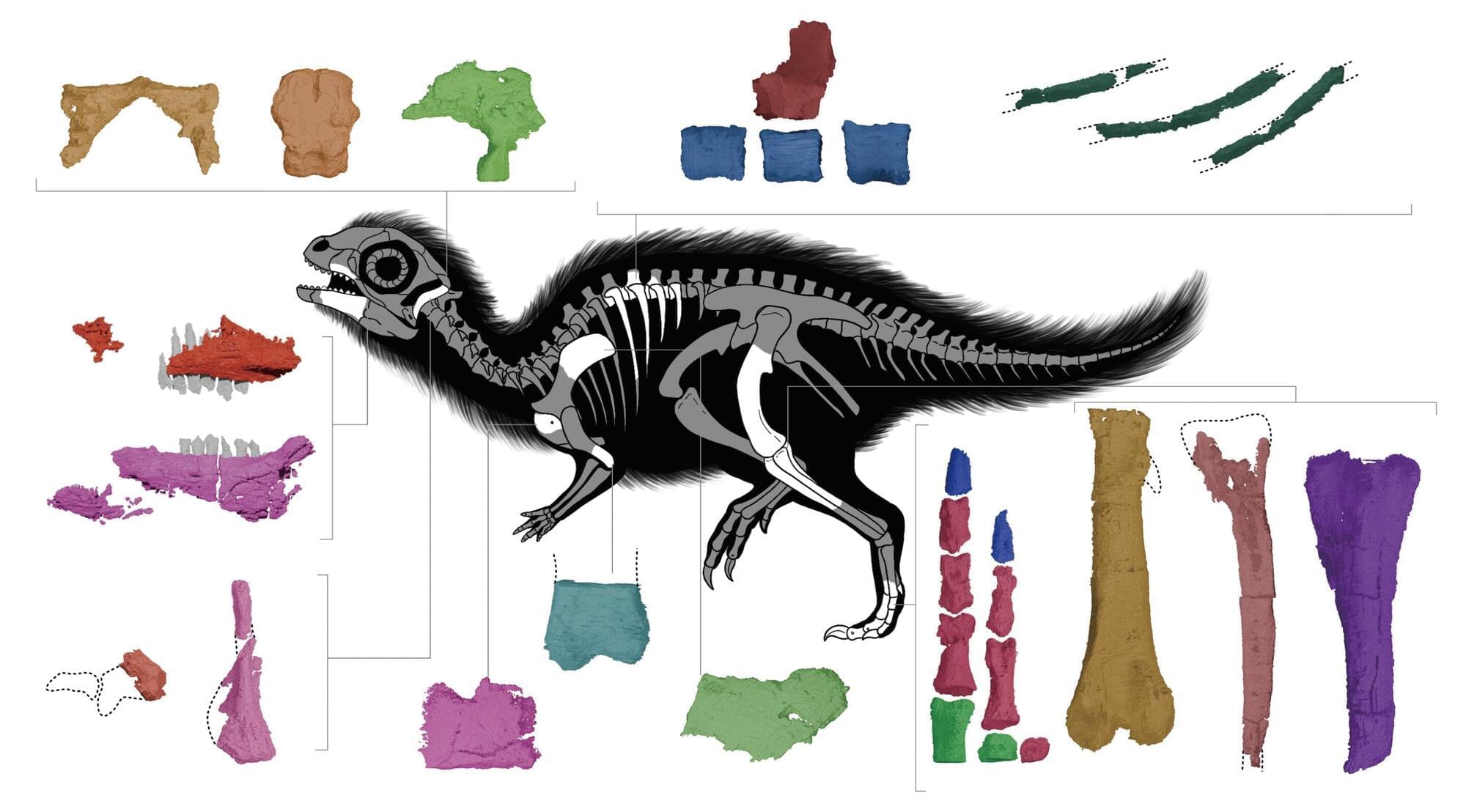
Cute, green, and sporting two sprigs of hair on his head, a mischievous baby dinosaur named Dooly is one of the most beloved cartoon characters in South Korea. So, when researchers from The University of Texas at Austin and the Korean Dinosaur Research Center discovered a new species of baby dinosaur from Korea’s Aphae Island, they knew exactly what to call it: Doolysaurus.
“Dooly is one of the very famous, iconic dinosaur characters in Korea. Every generation in Korea knows this character,” said Jongyun Jung, a visiting postdoctoral researcher at UT’s Jackson School of Geosciences who led the research. “And our specimen is also a juvenile or ‘baby,’ so it’s perfect for our dinosaur species name to honor Dooly.”
The baby dinosaur is the first new dinosaur species discovered in Korea in 15 years and the first Korean dinosaur fossil found with portions of its skull. The skull bones were revealed when the fossil underwent a scientific micro-CT scan at the University of Texas High-Resolution X-ray Computed Tomography (UTCT) facility.
Slavoj Žižek, Carlo Rovelli, Alenka Zupančič debate subjectivity, and how it relates to the world around it.
What does the hard problem get wrong?
With a free trial, you can watch the full debate NOW at https://iai.tv/video/the-self-and-the… tend to think of ourselves as observers of the world and experience as something different from the material stuff that makes up reality. Yet at the same time as human beings, we are at once part of the universe and part of that reality. And this profoundly puzzling relationship, that we are both part of something and yet separate from it, has been at the centre of Western thought. Materialists claim there is only physical material. But if so, thought, experience, and consciousness become illusory. Idealists argue there is only consciousness, but then it is reality that becomes an illusion. While dualists hold that both the self and the world exist, but that the connection between the two is mysterious. Is the self part of the world or necessarily outside of it? Was Kant right that the distinction between subject and object is necessary for experience to be possible? Or are these deep metaphysical questions beyond us, and our theories and language incapable of uncovering the ultimate state of things? #zizek #philosophy #physics #consciousness #quantum #quantumphysics Slavoj Žižek is one of the most famous philosophers in the world and is the author of more than 50 books, including most recently at the time of the debate Zero Point. Alenka Zupančič is a leading Lacanian philosopher and social theorist. She is a professor at The European Graduate School and at the University of Nova Gorica. Joining from America, Carlo Rovelli is a leading theoretical physicist, the author of several best-selling books, and a founding figure in the field of quantum gravity. His recent book, Reality Is Not What It Seems, has ethical implications for the nature of the self and personal identity. Jack Symes hosts. 00:00 Introduction 00:37 Carlo Rovelli on reality 05:22 Alenka Zupančič: is our knowledge incomplete, or reality itself? 07:55 Slavoj Žižek: how can a stone have freedom? 09:28 Carlo Rovelli on freedom 11:17 Can we ever resolve the relationship between the self and the world around us? 11:35 The problem with David Chalmers The Institute of Art and Ideas features videos and articles from cutting edge thinkers discussing the ideas that are shaping the world, from metaphysics to string theory, technology to democracy, aesthetics to genetics. Subscribe today! https://iai.tv/subscribe?utm_source=Y… For debates and talks: https://iai.tv For articles: https://iai.tv/articles For courses: https://iai.tv/iai-academy/courses.
We tend to think of ourselves as observers of the world and experience as something different from the material stuff that makes up reality. Yet at the same time as human beings, we are at once part of the universe and part of that reality. And this profoundly puzzling relationship, that we are both part of something and yet separate from it, has been at the centre of Western thought. Materialists claim there is only physical material. But if so, thought, experience, and consciousness become illusory. Idealists argue there is only consciousness, but then it is reality that becomes an illusion. While dualists hold that both the self and the world exist, but that the connection between the two is mysterious.
Is the self part of the world or necessarily outside of it? Was Kant right that the distinction between subject and object is necessary for experience to be possible? Or are these deep metaphysical questions beyond us, and our theories and language incapable of uncovering the ultimate state of things?
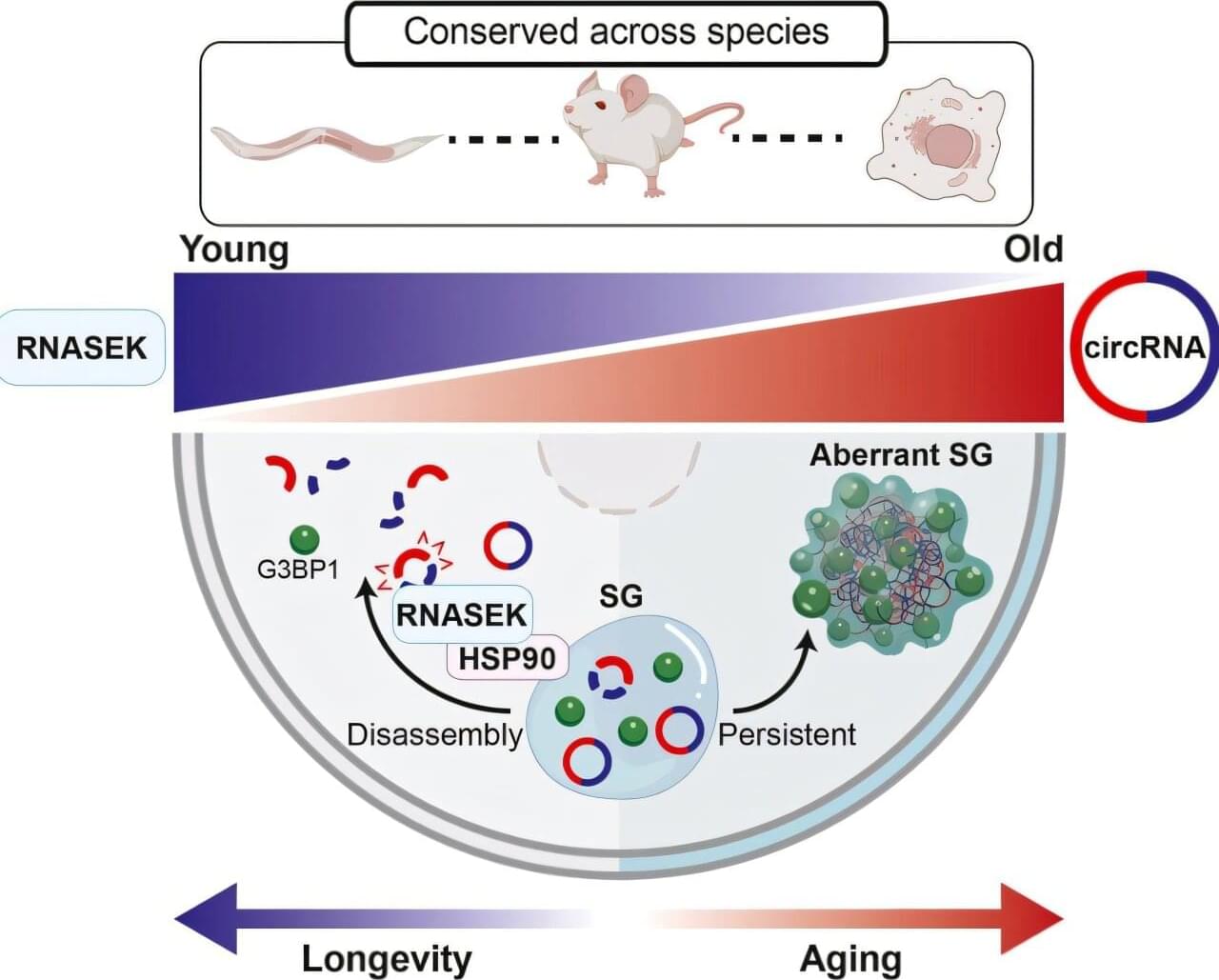
Cells in our bodies produce RNA based on genetic information stored in DNA, and RNA serves as a blueprint for making proteins. Researchers at KAIST have discovered a new phenomenon: Removing “circular RNA” that accumulates in cells as we age can slow down aging and extend lifespan. This study provides crucial clues for uncovering the principles of aging and developing treatment strategies for related diseases.
Professor Seung-Jae V. Lee’s research team (RNA-Mediated Healthspan and Longevity Research Center) from the Department of Biological Sciences, in collaboration with research teams led by Professors Yoon Ki Kim and Gwangrog Lee, discovered the RNASEK protein —an enzyme that degrades circular RNA—plays a vital role in slowing aging and extending lifespan. The findings are published in the journal Molecular Cell.
Until now, circular RNA was primarily known as a “marker of aging” because of its high stability, causing it to accumulate in cells without being degraded as one ages. However, the molecular mechanism for removing this RNA and its direct link to aging had not been clearly identified. The research team conducted this study to determine how the accumulation of circular RNA affects aging and whether an intracellular management system exists to regulate it.