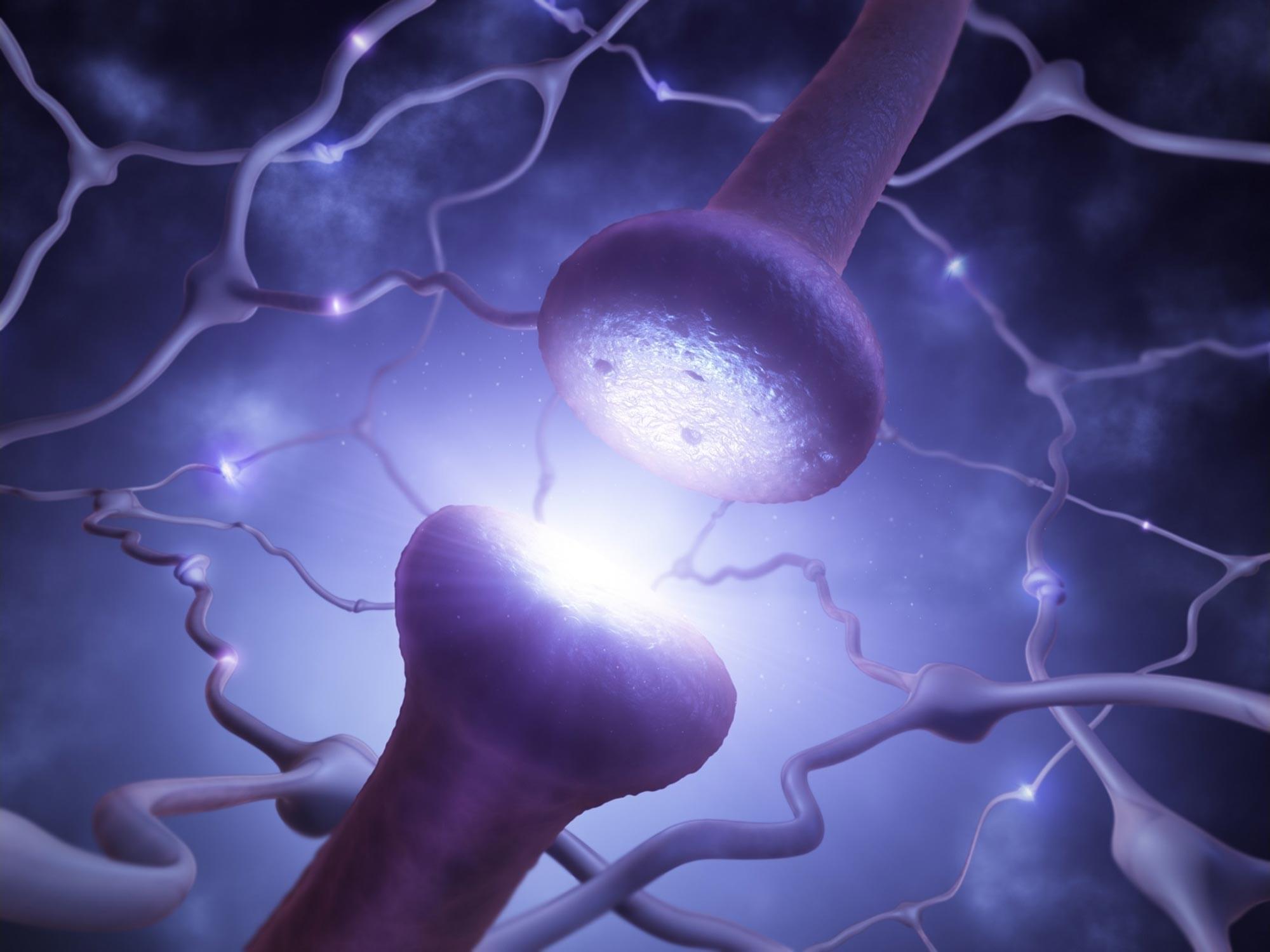
A familiar song can pull you back decades in an instant, and the chemistry behind that rush of memory may hold clues to what separates human minds from AI.
How does the brain turn a collection of memories into thoughts, emotions, and the experience of being conscious? Scientists have spent decades studying how neurons communicate through electrical and chemical signals, yet the physical processes that allow us to recall experiences, attach feelings to them, and give them meaning remain incompletely understood.
A new scientific review suggests that part of the answer may lie in the complex chemistry surrounding brain cells. Rather than viewing memory primarily as a product of neuronal activity, the researchers propose that interactions among neurons, supporting brain cells, and molecules in their surrounding environment could play a fundamental role in shaping thought and conscious experience.