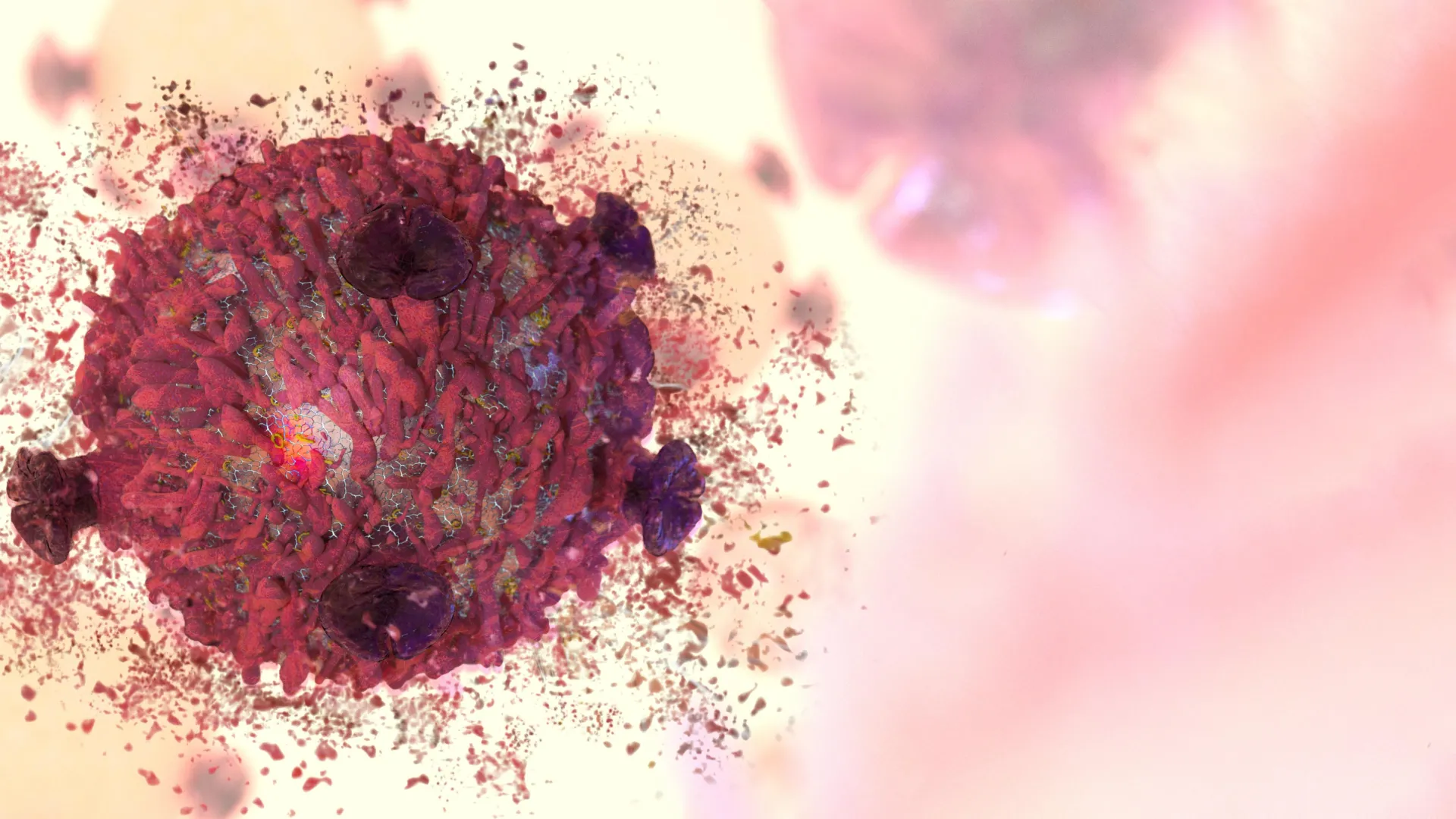
According to the study’s lead researcher Professor Jian Zhen Ou and Dr. Baoyue Zhang from RMIT’s School of Engineering, small changes to the chemical structure of the particles caused them to release reactive oxygen molecules. These unstable oxygen forms can damage vital cell components and ultimately trigger cell death.
Lab Tests Show Strong Cancer Selectivity
In laboratory experiments, the nanodots killed cervical cancer cells at three times the rate seen in healthy cells over a 24-hour period. Notably, the particles worked without requiring light activation, which is uncommon for similar technologies.