Storing renewable energy on a large scale is one of the biggest challenges facing the energy transition.
Without it, excess renewable power is lost on sunny, windy days and unavailable when the sun sets and the wind drops. CSIRO estimates that Australia’s National Electricity Market could need 10 to 14 times more storage between 2025 and 2050, drawing on a diverse mix of technologies.
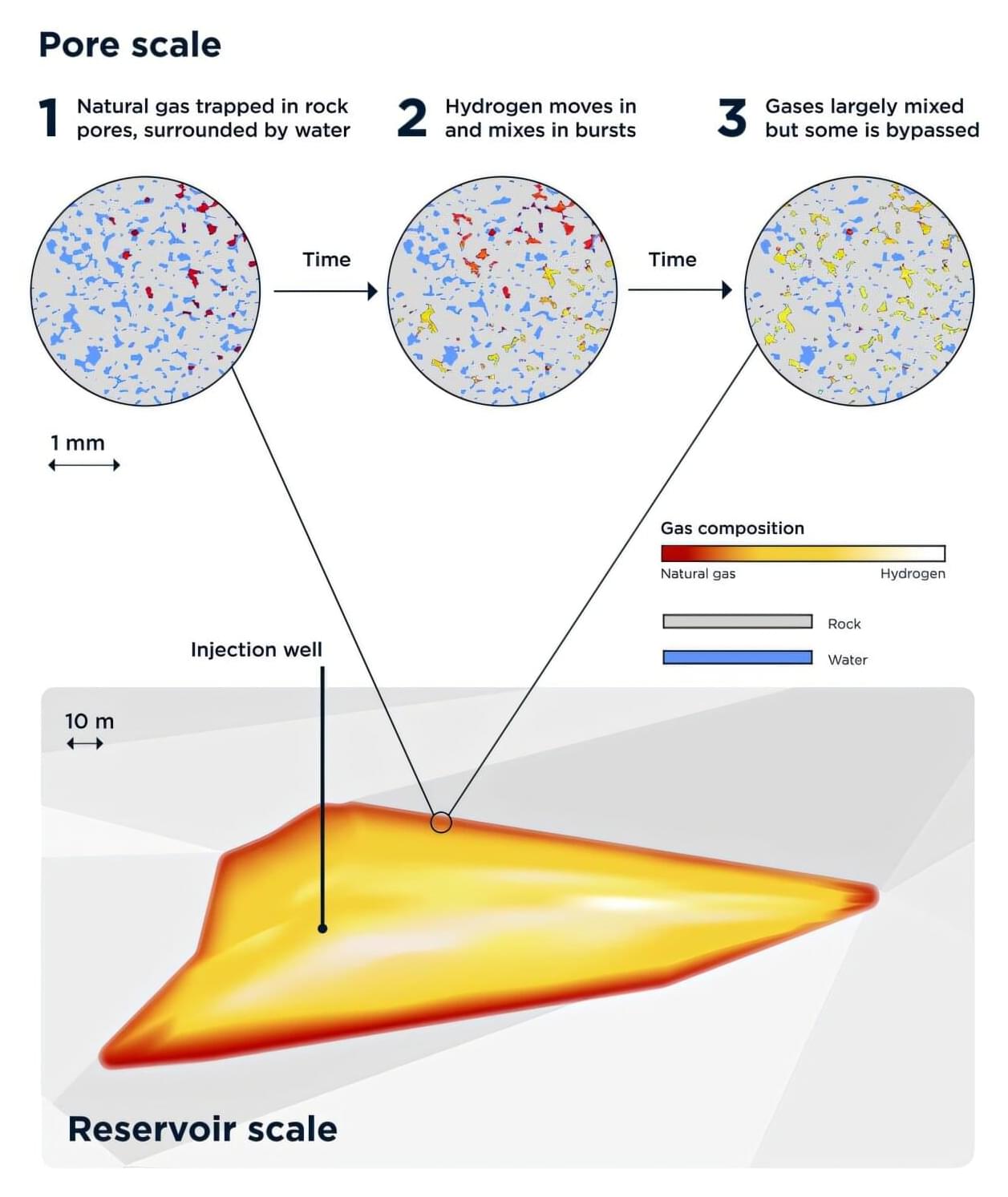
Increasingly, attention is turning underground, with the International Energy Agency reporting that projects worldwide could store 11 terawatt-hours of hydrogen by 2035, about 30 times the energy Snowy 2.0 is designed to hold. Depleted gas fields, like those being assessed in Victoria’s H2RESTORE project, could store renewable hydrogen made from surplus wind and solar power. The hydrogen could be converted back to electricity months later, complementing short-duration battery storage.