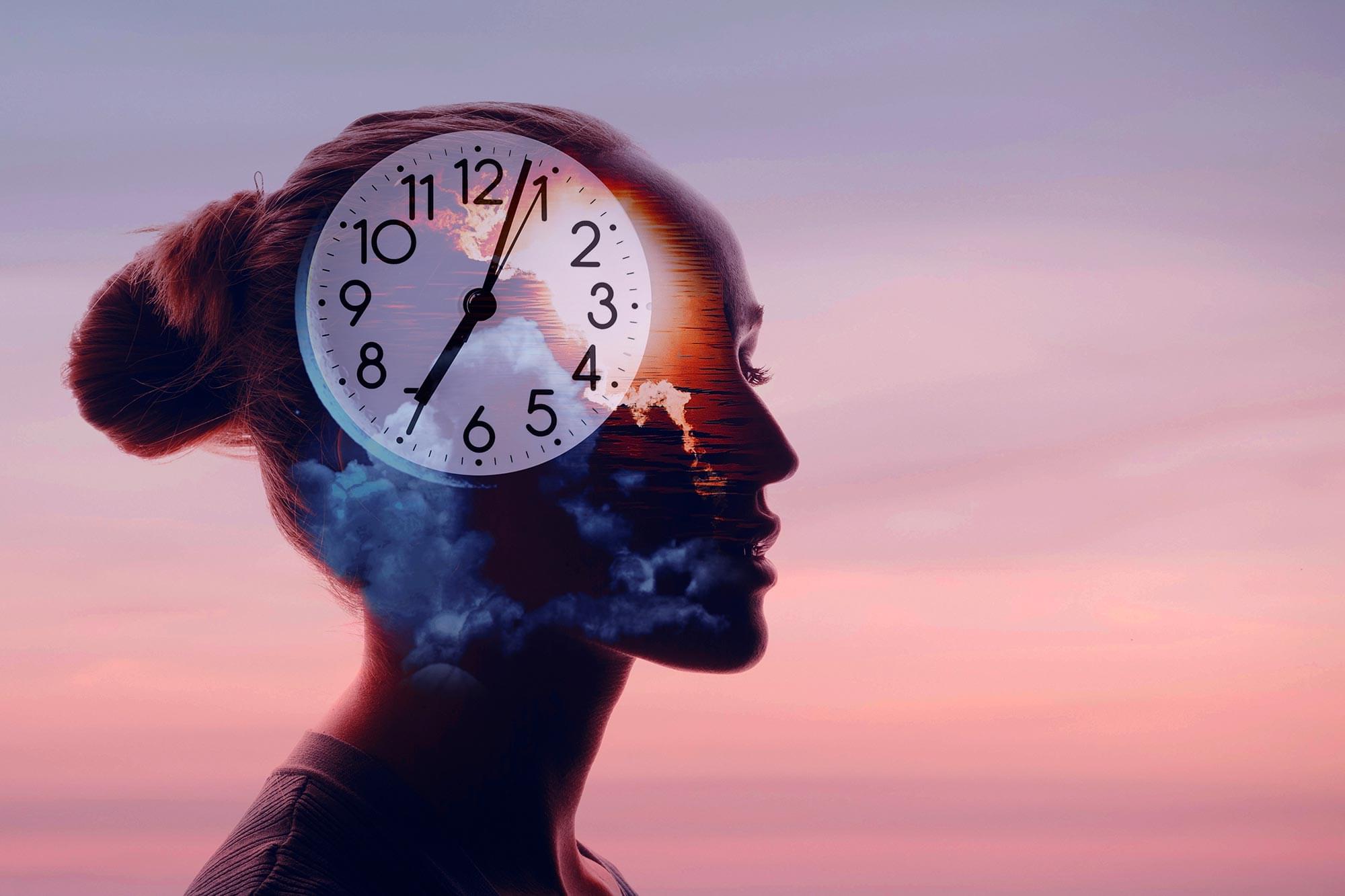
For some people with hard-to-treat depression, the body’s internal clock may help explain why standard antidepressants fall short.
University of Sydney researchers have identified a proposed subtype called “circadian depression,” marked by disrupted sleep and daily rhythms. It accounted for nearly a quarter of participants in a study of more than 10,000 Australians with severe, recurrent or persistent depression.
The findings, published in the British Journal of Psychiatry, suggest that recognizing this pattern could help clinicians identify people who may benefit from treatments targeting the body clock earlier in their care.