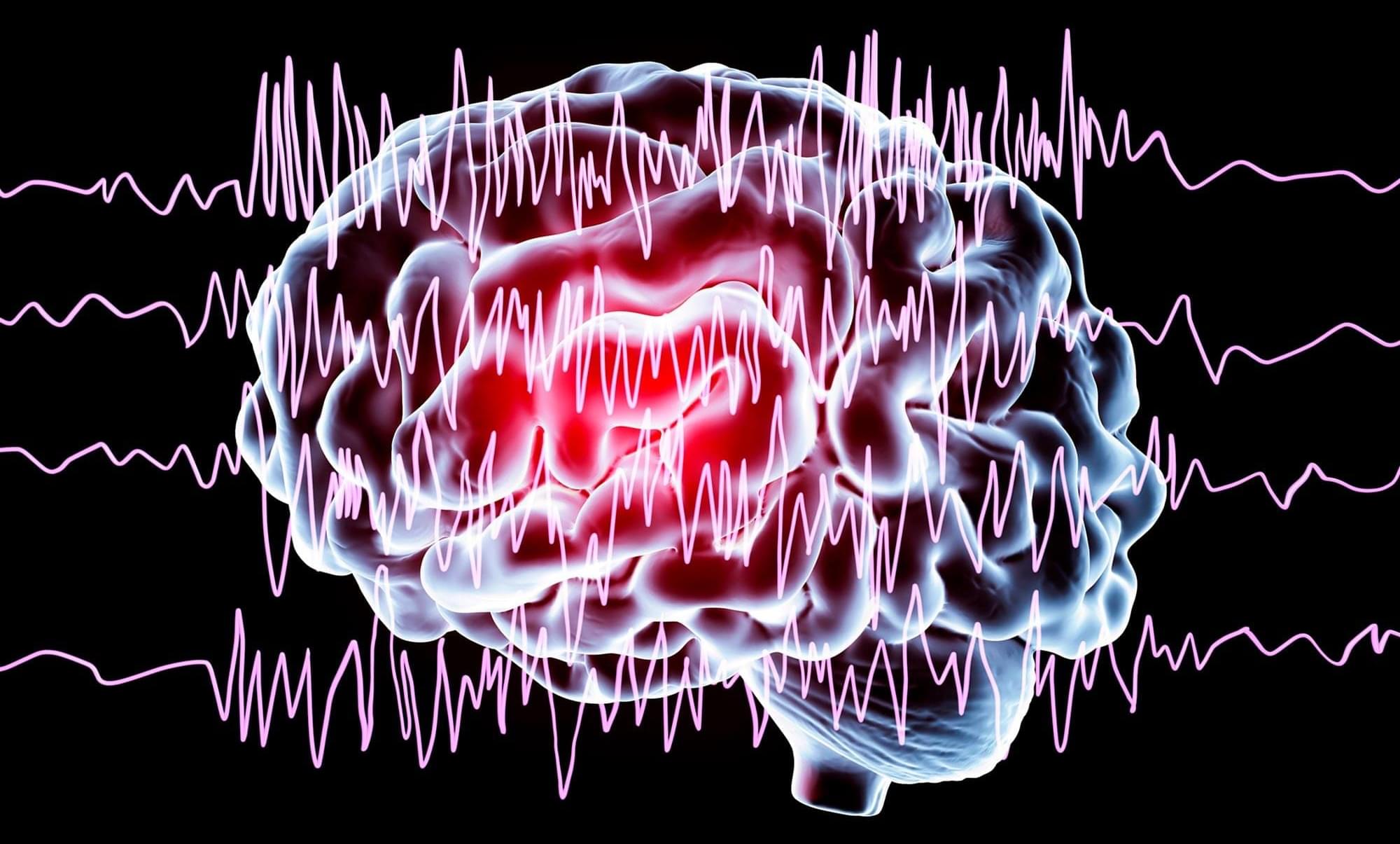
Scientists have uncovered a previously unknown molecular mechanism that helps position a protein linked to severe childhood epilepsy within nerve cells.
A single change in a protein associated with severe childhood epilepsy can dramatically alter where it resides inside nerve cells, according to new research from the University of Liverpool. The discovery suggests that some neurological disorders may arise not only from impaired protein activity but also from proteins failing to reach the locations where they are needed.
The study focuses on CDKL5, a protein essential for normal brain development and function. Mutations in the gene that produces this protein cause CDKL5 deficiency disorder (CDD), a rare genetic condition characterized by severe seizures beginning in infancy and significant developmental difficulties. The disorder affects approximately 1 in 40,000 to 60,000 live births worldwide.