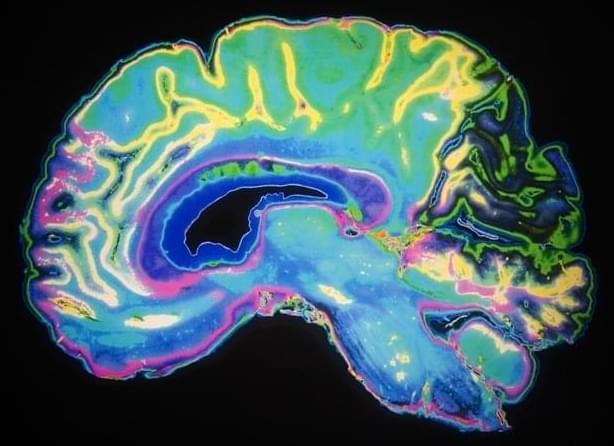
Researchers at McGovern Medical School at UTHealth Houston have discovered how the brain’s visual system plays an active role in transforming threatening experiences into lasting fear memories and how noninvasive brain stimulation can interrupt this process.
These findings reveal a novel mechanism underlying human fear memory, opening new possibilities for preventing persistent fear and treating PTSD and other trauma-related conditions.
The study, led by Wen Li, PhD, John S. Dunn professor in the Louis A. Faillace, MD, Department of Psychiatry and Behavioral Sciences at McGovern Medical School, was published Nov. 14 in Nature Communications. Titled “Sensory cortical disinhibition underlies long-term fear memory in humans,” the research combined neuroimaging, artificial intelligence, and noninvasive brain stimulation.