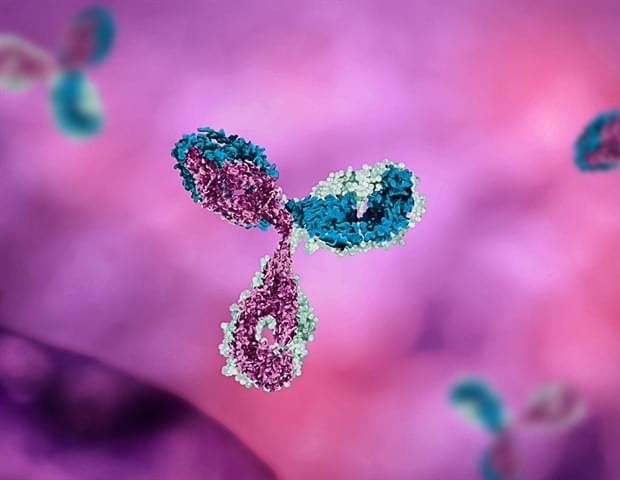
For the first time, researchers have succesfully measured antibodies against specific respiratory viruses in exhaled air. This is shown in a new study involving, amongst others, the Karolinska Institutet, published in eBioMedicine. The method may make it easier to study the immune system in the small airways of the lungs.
Antibodies in the mucosal lining of the respiratory tract play an important role in protecting against respiratory viruses such as influenza virus, SARS-CoV-2 and respiratory syncytial virus (RSV). While antibodies in the upper airways are relatively easy to measure, sampling from the lower airways has previously required invasive procedures such as bronchoscopy.
In the new study, researchers used a non-invasive method called PExA (Particles in Exhaled Air). By breathing into a specially designed instrument, participants generated tiny exhaled particles originating from the respiratory tract lining fluid of the small airways. These particles were collected and analysed for virus-specific antibodies.