Your heart may beat 3 billion times or more over a long lifetime. Across 75 years or longer, it carries on without a thought while you sleep, work and exercise.
Behind this familiar rhythm is an extraordinary feat of electrical coordination. With each beat, a signal travels through the heart muscle in a precisely coordinated sequence, telling the chambers when to contract. If that coordination breaks down severely enough to stop effective pumping, a person can lose consciousness within seconds and die within minutes.
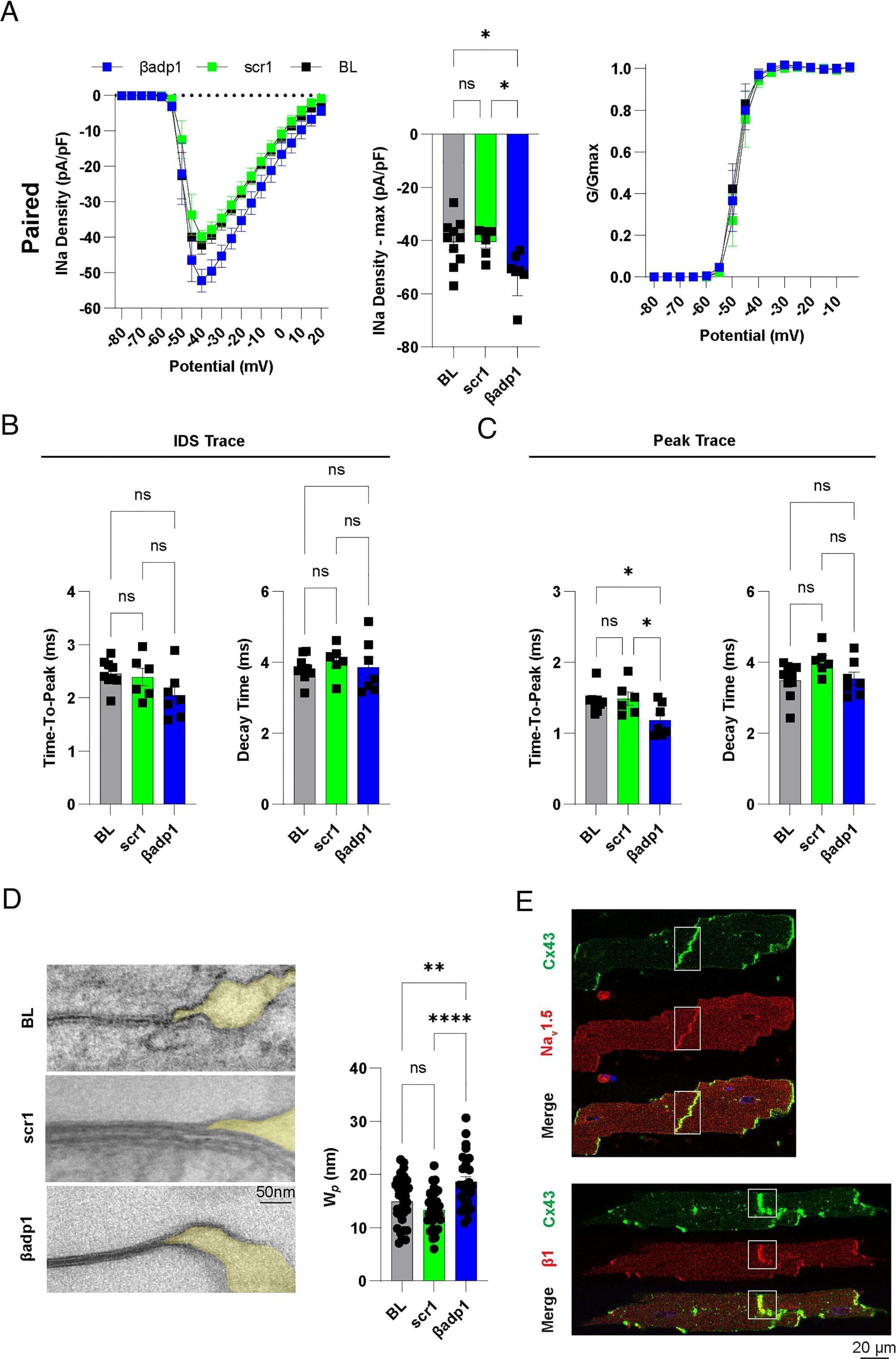
New research published in the Proceedings of the National Academy of Sciences by Virginia Tech researchers suggests that heart muscle cells have another way to pass electrical signals from one cell to the next, beyond the direct connections that have dominated scientific understanding for more than half a century.