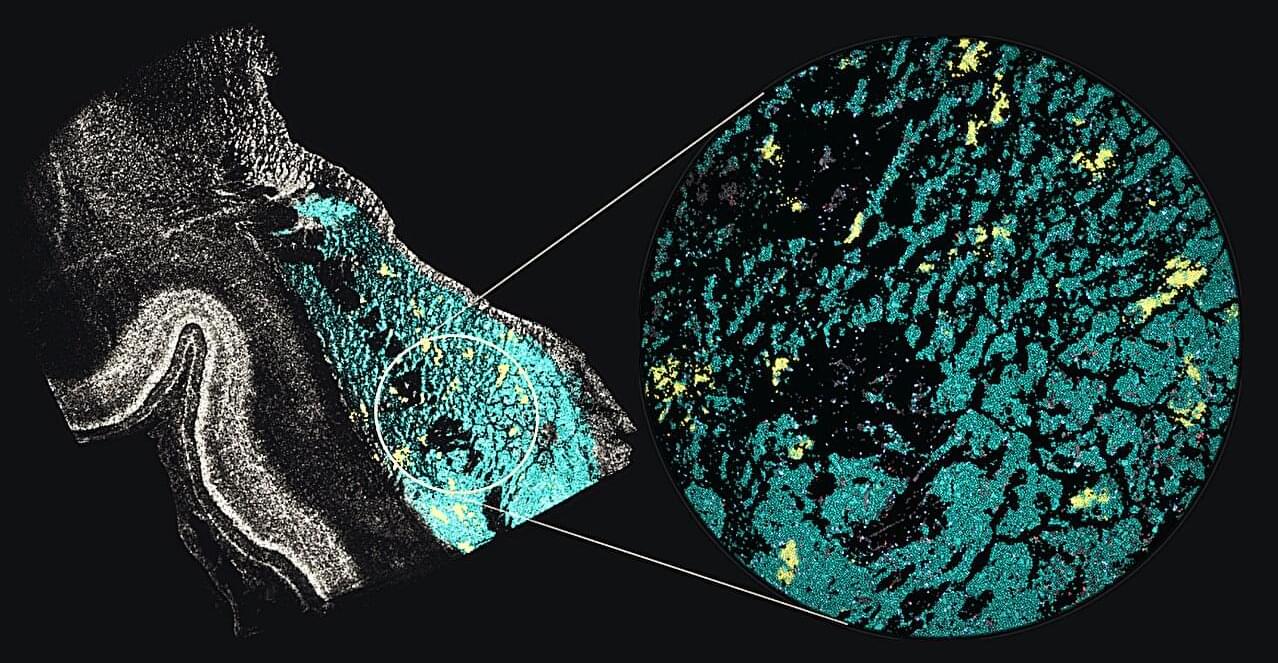
Scientists have long known that many developing brain cells originate in one region and migrate to another as they mature. But tracing the molecular changes that occur along that journey has been difficult, in part because some of the temporary prenatal brain structures that give rise to these cells largely disappear around birth.
One important destination for these developing cells is the basal ganglia, a group of interconnected structures deep in the brain that help control movement, habits, reward and behavior. This region is also implicated in conditions including Parkinson’s disease, Huntington’s disease, addiction, obsessive-compulsive disorder and schizophrenia.
Now, in a study published in Cell, a research team co-led by UCLA has mapped this developmental process in unprecedented molecular detail, tracing how cells in and around the basal ganglia change from midpregnancy through infancy.