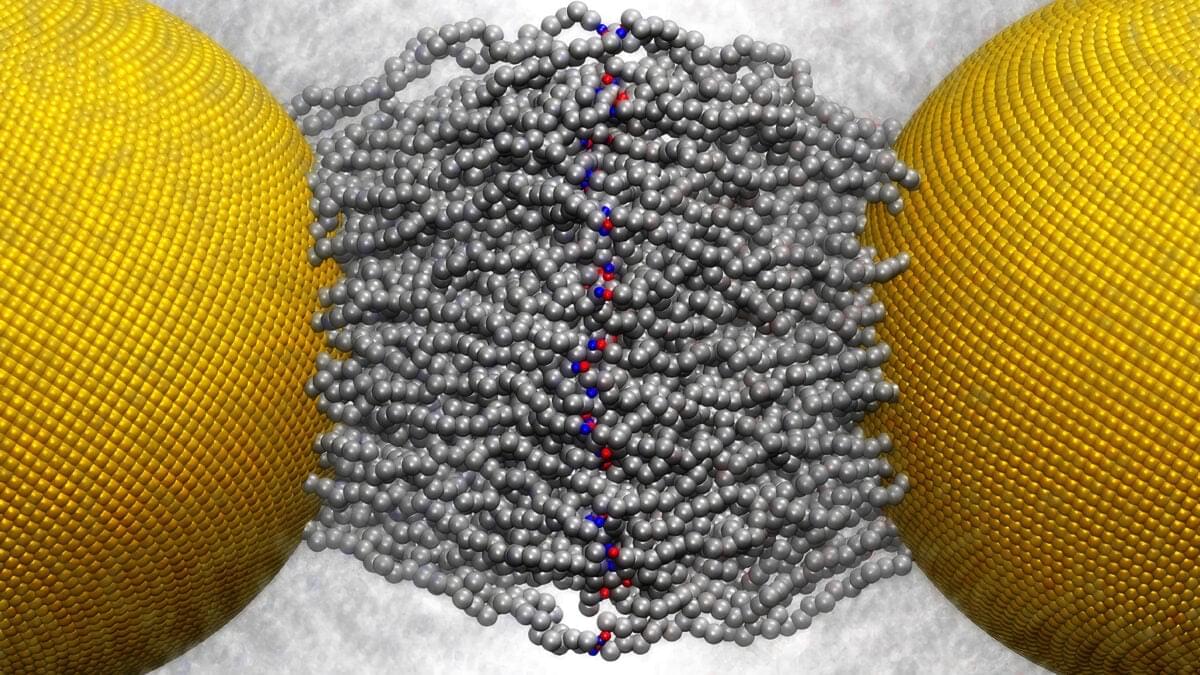
One of the key methods through which scientists develop and enhance new materials is by getting more control over their structure at the smallest scales, and microscopic nanoparticles can be incredibly useful for this kind of detail.
Now researchers led by a team from MIT have overturned the conventional thinking of the last couple of decades when it comes to how these nanoparticles are connected together.
Previously, the connectors – or ligands – between the nanoparticles have mostly been designed as rigid and fixed.